
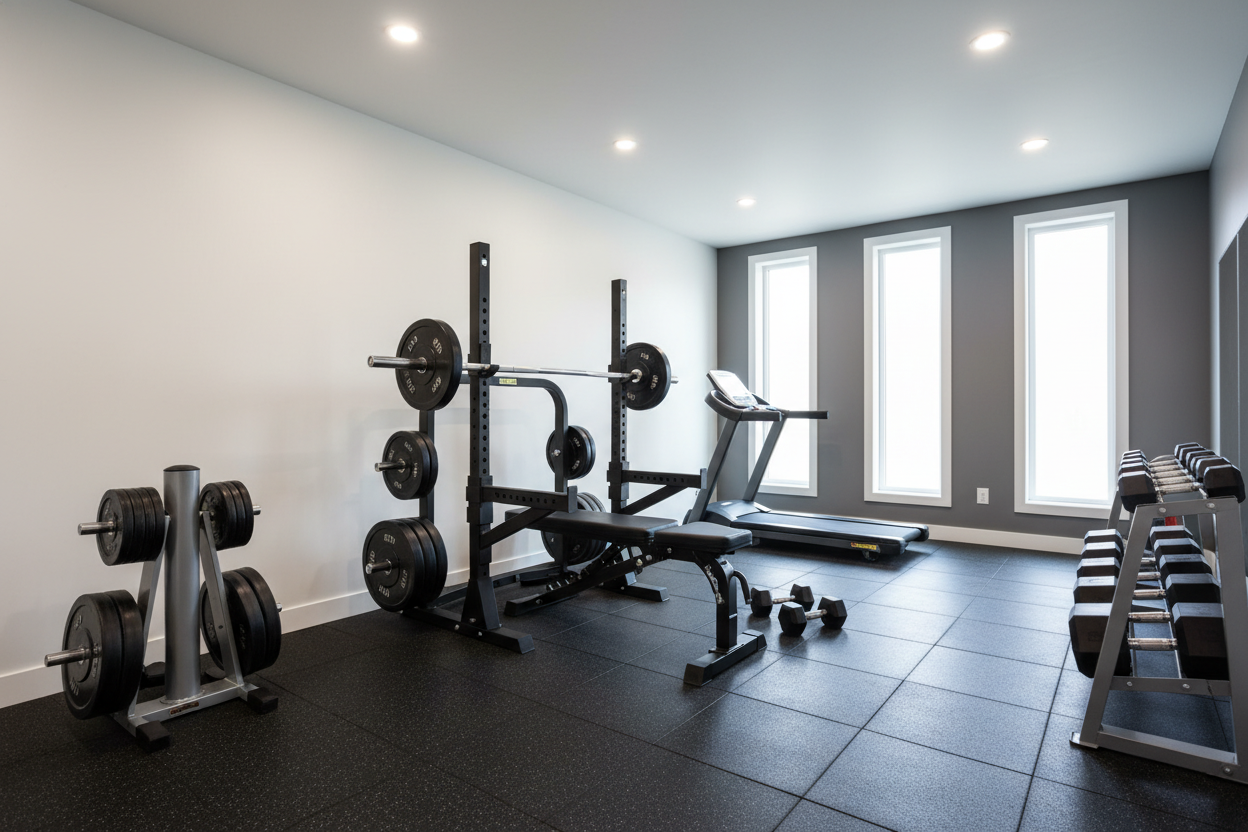
I still remember the first time I tried to save a buck by buying a bargain-bin weight bench and set from a big-box retailer. I was halfway through a set of presses when I realized the rack was so narrow I had to keep my hands inside the uprights, effectively turning every chest day into a tricep-only workout. It was cramped, wobbly, and honestly, a bit dangerous. If you are looking for a weights with bench setup, you need to know that most 'all-in-one' kits are built for teenagers, not adults trying to move real iron.
Quick Takeaways
- Standard-width racks (narrow) limit your grip; look for 'mid-width' or 'Olympic-width' if you have the space.
- Check the total weight capacity—it must include your body weight plus the bar and plates.
- Avoid 1-inch 'standard' bars if you plan on lifting more than 150 lbs; they bend like noodles.
- A 2-inch Olympic weight set with bench is the gold standard for durability and resale value.
The Difference Between a 'Starter Kit' and a Real Lifting Station
The biggest trap in the weight lift bench set market is the 'standard' size rack. These are usually about 24 to 28 inches wide. Unless you have the wingspan of a toddler, your hands will be right where the bar rests on the rack. This forces an awkward 'suicide grip' or a narrow press that kills your progress. A real weight bench sets configuration should offer at least 36 to 42 inches between the uprights.
You also need to look at the steel. If the legs look like they are made of soda cans, they probably are. I look for 14-gauge steel at a minimum for home use. Anything thinner will vibrate and shift when you're trying to find your footing. A quality workout bench set with weights should feel like a static part of the floor, not a rocking chair.
Should You Choose Attached Uprights or an Independent Frame?
This is the classic home gym debate. An all-in-one bench and rack station is a massive space-saver. It keeps everything contained in a single footprint, which is perfect if you're carving out a corner in a crowded garage. These integrated units are often more stable because the weight of the bench helps anchor the rack during heavy re-racks.
On the flip side, pairing an independent adjustable weight bench with a separate squat stand gives you way more versatility. You can roll the bench out for dumbbell flyes or lunges, then roll it back in for presses. If you go the independent route, you're looking for a weight and bench set that can grow with you. Separate pieces usually mean you can upgrade the rack later without trashing the bench. For most beginners, the attached uprights are the most cost-effective way to get a weight bench weights included deal that actually works.
The Truth About Leg Extensions on Combo Benches
Most leg developers on a weight bench with weights set are, frankly, trash. They use plastic bushings that squeak and have a range of motion that stops halfway. However, if you find a model with a properly aligned pivot point and a plate-loaded peg that fits Olympic plates, it can be a legitimate tool. I use mine for high-rep finishers after squats.
The key is the pad quality. If the foam is thin, those leg extensions are going to bruise your shins before you even hit failure. Look for oversized rollers. A decent weight bench with bar and weights combo will prioritize the bench stability first and the leg attachment second. If the leg developer looks like it belongs on a playground, skip it.
Red Flags to Watch For When Buying Online
Marketing photos are deceptive. They use 10-lb plates that look like 45s to make the gear look beefy. Always check the 'Max Load' spec. If a weight bench set sale lists a capacity of 300 lbs, and you weigh 200 lbs, that only leaves you 100 lbs for the bar and plates. You'll outgrow that in a month.
Another red flag is a narrow footprint. To avoid an unstable, wobbly bench setup, check the width of the base stabilizers. You want the 'feet' of the bench to be wide enough to prevent lateral tipping. If the bench is only 12 inches wide at the base, it's going to feel like a balance beam when you're trying to drive your legs into the floor during a heavy press. A solid weight lifting bench and weights setup should have a base at least 20 inches wide.
How to Finalize Your Home Weight Set With Bench Setup
Once you've picked the frame, look at the bar. Most 'included' bars in a home weight set with bench are 5-foot or 6-foot versions. Make sure the bar's 'shoulder' (where the plates stop) is wider than your rack. There is nothing scarier than a bar that doesn't quite reach the hooks.
If you're tight on budget or space, you can also look into an adjustable bench with resistance bands to supplement your heavy lifts. This adds variety without needing a 300-lb plate tree. When you're ready to pull the trigger, explore reliable weight benches that offer a mix of incline, decline, and flat positions. A flat-only bench is a one-trick pony; an adjustable one is a complete chest and shoulder clinic.
My Personal Lesson in Cheap Steel
I once bought a weight bench with weights set from a garage sale for $50. I thought I'd won. The first time I tried to do a heavy incline press, the adjustment pin sheared off. I ended up flat on my back with 185 lbs hovering over my neck. I spent the next week nursing a strained trap and the next day at the scrapyard dropping off that 'deal.' Now, I never buy anything that doesn't have a locking bolt or a heavy-duty adjustment ladder. Your safety is worth more than the $100 you save on a flimsy frame.
FAQ
Is a 1-inch bar or a 2-inch bar better?
Always go for the 2-inch Olympic bar if you can. The plates are easier to find, the bars are rated for much higher weights, and the bearings allow the weights to spin, which saves your wrists from torque during the lift.
How much ceiling height do I need for a weight bench and set?
For the bench itself, not much. But if your rack has high uprights for squats or pull-ups, you'll want at least 7 feet. If it's a dedicated bench press station, a standard 8-foot ceiling is plenty of room.
Can I use an Olympic bar on a narrow-width bench?
Technically yes, but it's dangerous. The bar will have too much 'overhang' outside the uprights. If you load one side with a 45-lb plate before the other, the bar could flip off the rack. Stick to the width the rack was designed for.
Share:
How to Find a Weight Bench Best Buy That Won't Snap Mid-Press
Your Fitness Gear Flat Bench Has a Hidden Breaking Point