
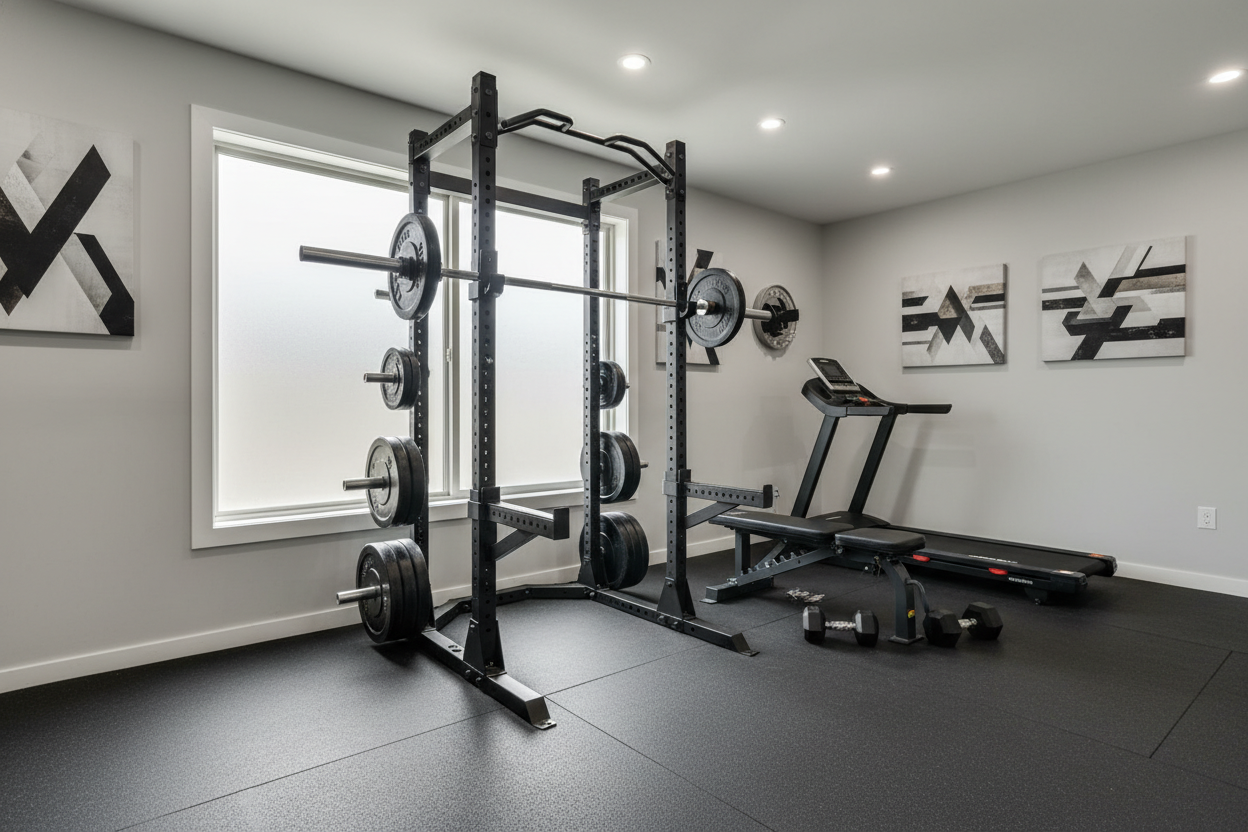
I remember the day I finally quit my commercial gym. I was tired of waiting for the power rack while some guy did curls, so I scrolled through Amazon at midnight and bought the first cheap home barbell I could find. It was a mistake that cost me a couple hundred bucks and a lot of frustration when the sleeves started squeaking after a week.
Quick Takeaways
- Always choose a 2-inch Olympic sleeve over 1-inch 'standard' bars.
- Look for a tensile strength of at least 190,000 PSI to prevent permanent bending.
- Bushings are better for powerlifting; bearings are for Olympic weightlifting.
- A medium-aggressive knurl is the sweet spot for most garage athletes.
The Moment I Realized My First Garage Bar Was Trash
I was hitting a routine 315-pound squat session in my garage. It wasn't a PR attempt, just a standard working set. When I racked the bar and stepped back, I noticed a slight, permanent 'smile' in the steel. The bar didn't snap back to straight; it had reached its yield point and stayed there.
That generic barbell weight set for home gym use just couldn't handle the physics of a heavy load. It made every subsequent set feel off-center and dangerous, as the bar would rotate in my hands to find its new, bent center of gravity. I realized then that upgrading to a premium bar wasn't about being a gear snob—it was about safety and longevity.
Standard vs. Olympic: Don't Make This Rookie Mistake
If you see a bar with 1-inch ends at a garage sale, keep driving. Those are 'standard' bars, and they are essentially toys for anyone planning to lift more than 100 pounds. They lack the internal sleeve mechanics to spin properly, which puts massive torque on your wrists during a simple bicep curl or clean.
Any serious at home barbell set needs to be Olympic-sized with 2-inch sleeves. This ensures compatibility with high-quality bumper plates and iron. More importantly, Olympic bars are built with actual metallurgy in mind, whereas standard bars are often just chrome-plated mystery metal that will flake and rust within months of being in a humid garage.
The 3 Specs That Actually Dictate a Bar's Lifespan
Marketing departments love to throw numbers at you, but only three really matter. First is tensile strength. This is measured in PSI. If a bar is under 160,000 PSI, it’s a 'beater' bar. You want 190,000 to 210,000 PSI. This is the sweet spot where the bar is stiff enough for heavy squats but has enough 'whip' to not feel like a lead pipe during deadlifts.
Next is the knurling. Cheap bars either feel like smooth PVC pipe or they have shark-tooth knurling that draws blood during a high-rep set. You want a 'volcano' or 'mountain' knurl that provides a sticky grip without being abrasive. Finally, look at the sleeves. Bushings (usually bronze) are the gold standard for most of us. They are durable, require almost zero maintenance, and provide a reliable spin that is essential for building a functional home gym that lasts a decade.
Should You Buy a Complete Bar and Plate Package?
You'll often see barbell sets for home that bundle 300 lbs of weight with a bar for a 'low' price. Usually, the plates are fine—iron is iron, mostly—but the bar included in these bundles is almost always the weakest link. It’s the part they cheap out on to make the math work.
If you are an absolute beginner just looking to get moving, a package deal that includes a weight bench with barbell rack can be a decent entry point. However, if you plan on squatting or deadlifting more than 225 lbs within your first year, you are better off buying a high-quality home barbell set separately. You can find used plates anywhere, but a good bar is worth every penny of the retail price.
My Final Verdict on What Belongs in Your Rack
The barbell is the one piece of equipment you should never cheap out on. It is the literal connection between your body and the weight. I've wasted money on fancy cable machines and specialized gadgets, but I eventually built my entire garage setup around a single, high-quality 20kg multi-purpose bar.
A solid gym bar set should feel like an extension of your arms. It shouldn't rattle, the sleeves shouldn't have side-to-side play, and it should stay straight no matter how many times you drop it on the pins. Invest in a bar with a good warranty and a solid reputation. Your wrists, shoulders, and PRs will thank you.
FAQ
How do I stop my barbell from rusting?
If you live in a humid area, wipe your bar down with a light coat of 3-in-One oil every few weeks. Avoid chrome if you can; zinc or Cerakote finishes are much better at fighting off the garage-gym rust monster.
What is 'whip' and do I need it?
Whip is the bar's ability to store elastic energy. For heavy squats, you want less whip (a stiffer bar). For Olympic lifts like cleans, you want more whip to help catch the weight. A 28.5mm diameter bar is the best middle ground.
Can I use a 7-foot bar in a small room?
A standard Olympic bar is about 86 inches long. You need at least 9 feet of width to comfortably load plates without hitting the walls. If you’re cramped, look for a 'shorty' bar, but make sure the rackable space fits your power rack.
Share:
I Pushed the Apex Weight Bench to Its Breaking Point
Does the PL 7366 Smith Machine Survive Heavy Lifting?