
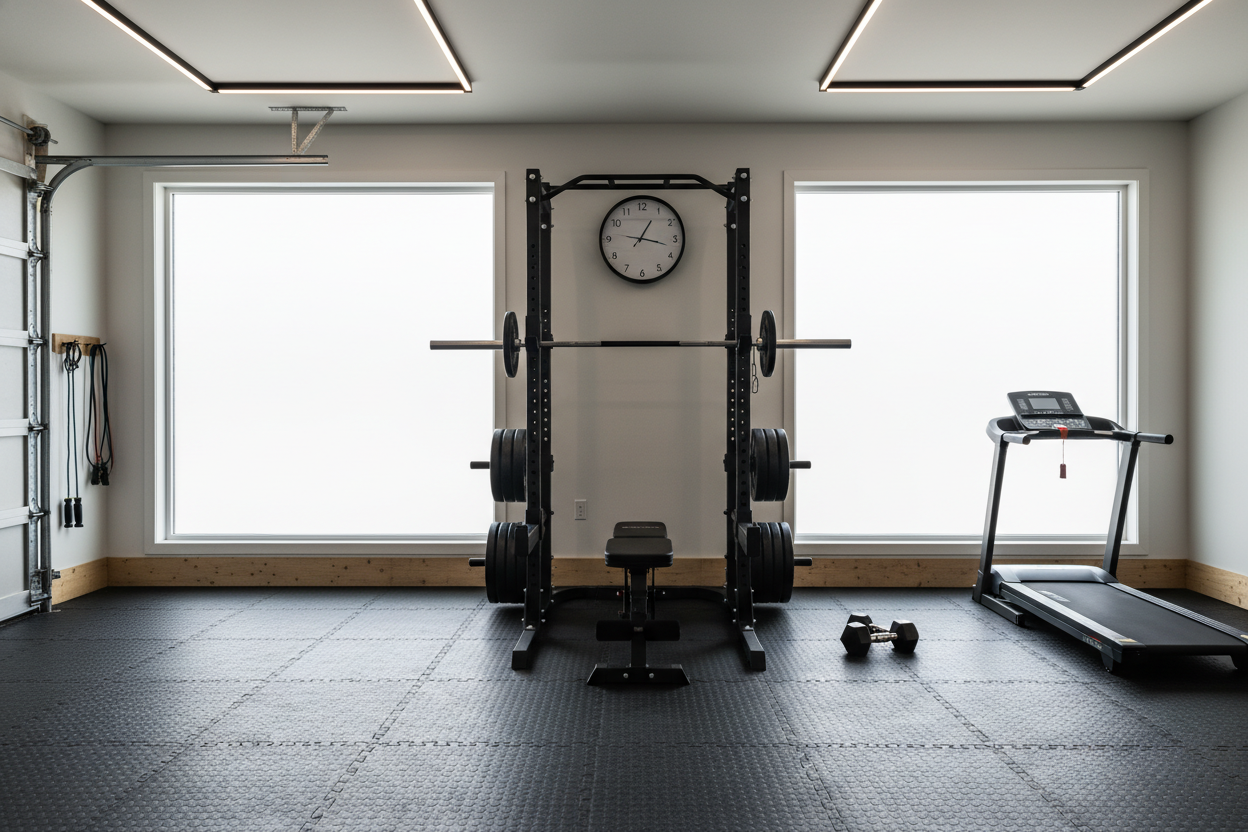
I spent three years piecing together my garage gym like a puzzle with missing pieces. Every time I hit 'order' on a single pair of 45-lb plates, I felt the sting of a $65 shipping fee. It is the classic trap: trying to spread out the cost of a home workout bundle over twelve months, only to realize you paid for a high-end barbell in freight costs alone.
If you are tired of your local commercial gym raising rates while the equipment stays broken, you are probably looking at a full setup. I sat down with a spreadsheet and three years of my own receipts to see if the 'all-in-one' pallet actually saves money or if it is just a marketing gimmick.
Quick Takeaways
- Freight shipping is the silent killer; one pallet shipment is almost always cheaper than four separate box deliveries.
- Bundles usually offer a 10-15% discount on the gear itself compared to a la carte pricing.
- Avoid 'fluff' packages that include cheap plastic jump ropes or resistance bands to pad the item count.
- Buying into a 3x3 rack ecosystem early saves you hundreds on future attachments.
The Hidden Cost of 'Building It Over Time'
We have all been there. You buy the squat rack in January because that is all you can afford. In March, you realize you need a bench. In June, you finally grab the iron plates. By the time you are done, you have paid for shipping four separate times.
Most heavy equipment ships via LTL (Less Than Truckload) freight. A single pallet can hold a rack, a bench, and 300 lbs of plates for a flat rate—often around $150 to $250. If you buy those pieces individually, you are looking at $50 to $80 per shipment for the smaller items and a full freight charge for the rack. I calculated that piecing a gym together over a year costs about 22% more than buying it all at once.
What Actually Makes a Good Home Workout Bundle?
Not all bundles are created equal. I have seen 'complete' packages that are 50% junk. A legitimate home workout bundle should focus on the 'Big Four': a 14-gauge or 11-gauge steel rack, a bench rated for at least 600 lbs, a 20kg Olympic barbell, and a set of iron or bumper plates. This is the foundation of a real home gym.
Stay away from packages that prioritize 'versatility' by including 15 different types of handles and light-duty bands. You want the heavy stuff. A good bundle is defined by the quality of the barbell. If the bar has a 700-lb capacity and decent knurling, the rest of the package is usually up to snuff. If the bar looks like a chrome toy, run the other way.
The Ecosystem Trap: Why Rack Attachments Matter
When you buy a bundle, you are usually buying into a specific rack ecosystem. This is actually where you win in the long run. If you get a 3x3 rack with 1-inch or 5/8-inch holes, you open the door to a massive world of modularity. You aren't just buying a cage; you're buying a base for future growth.
Think about cable work. Most people realize six months in that they miss lat pulldowns. If you have a standardized rack from a bundle, you can easily bolt on a plate-loaded pulley system. It is a much better investment than buying standalone units, especially when you consider that the best at home workout machines use cables to provide constant tension that bands just can't replicate. Getting that rack first sets the stage for everything else.
When You Should Definitely Avoid the Package Deal
Bundles are great for 90% of lifters, but they aren't perfect. If you are a competitive powerlifter who needs a specific 29mm stiff bar with aggressive knurling, a generic bundle bar will frustrate you. Similarly, if you are working in a basement with 80-inch ceilings, a standard 90-inch power rack bundle is just a giant paperweight.
If your space is incredibly cramped or you need a very specific foot-print, you might look at a Smith machine home gym station. These often combine the rack, cables, and smith bar into one footprint. While less 'modular' than a traditional power rack bundle, they solve the 'I don't have 100 square feet' problem better than a sprawling pallet of individual pieces.
The Final Verdict on the Spreadsheet
After looking at the numbers, the math is clear. If you have the cash upfront, the bundle wins every time. You save an average of $300 on shipping and usually get a 'package discount' that brings the equipment cost down by another $150 to $200. That is $500 you can put toward more plates or a better floor mat.
Personal Experience: The 'Budget Bar' Lesson
Early in my lifting days, I tried to save $100 by buying a cheap, no-name barbell from a local classified ad instead of getting the one included in a reputable bundle. Three months of deadlifts later, the bar had a permanent 2-degree smile. It didn't spin, and the zinc coating flaked off into my palms. I ended up buying the quality bar anyway, meaning I spent $150 on a piece of scrap metal I couldn't even sell. Buy the quality bundle once; cry once.
FAQ
Can I swap the barbell in most bundles?
Usually, no. Bundles are pre-packed to keep costs down. However, many companies offer 'Tier 1' or 'Tier 2' bundles that feature a better bar for a slightly higher price point. It is almost always worth the upgrade.
Is a 3x3 rack overkill for a beginner?
It is about stability and attachments, not just how much you squat. A 3x3 rack won't wobble when you do pull-ups or dips, which makes the whole experience feel safer and more professional.
How much space do I need for a full bundle?
Plan for an 8x8 foot area at minimum. This gives you enough room for a 7-foot Olympic bar and space to walk around the rack to load plates without hitting the wall.
Share:
No Squat Rack? How to Train Without a Barbell at Planet Fitness
The Only Cheap Exercise Equipment I Still Use 5 Years Later