
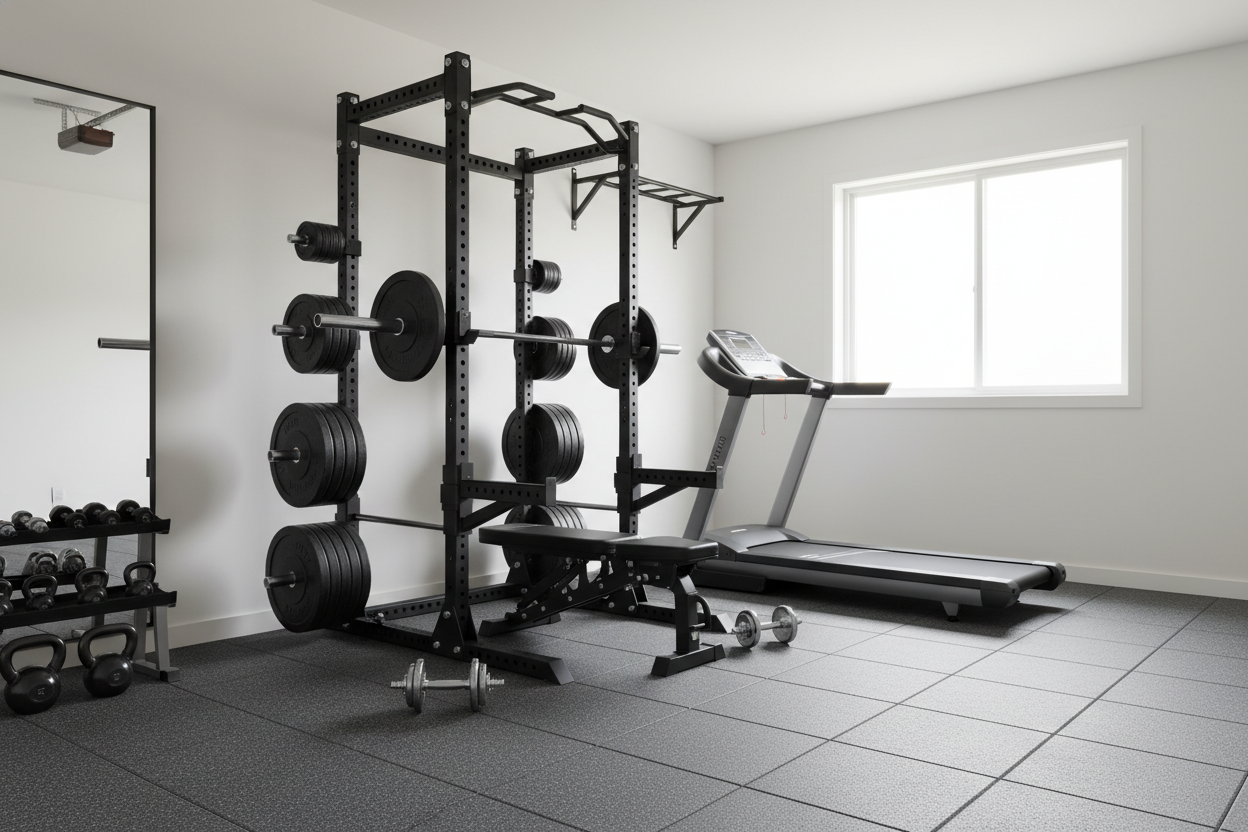
I was staring at my squat rack last month, noticing a tiny flake of powder coat peeling off a J-cup I’d bought from a big-box retailer. It wasn’t a disaster, but it sparked that familiar obsession: is the gear we buy here actually the best, or are we just settling for what’s convenient? I spent three hours on a German fitnessgeräte store website, chasing the dragon of 'German Engineering' to see if their steel felt any different under a heavy load.
Quick Takeaways
- Shipping heavy iron across the Atlantic is a logistical nightmare that can double your budget.
- European fitness geräte often use metric sizing, which makes finding compatible attachments a headache.
- The weld quality on high-end German gear is undeniably cleaner than most mass-produced domestic brands.
- For 95% of lifters, the domestic premium brands offer 99% of the performance for half the total landed cost.
Why I Started Looking at European Iron
I’ve spent years scrolling through gym kit.com and the usual domestic suspects. Don’t get me wrong, they have solid gear that has served me through hundreds of heavy sessions. But after my third 'out of stock' notification for a specialized piece of equipment, I started looking across the pond. I wanted to see if the rumors of tighter tolerances and superior steel were true, or if it was just clever marketing for people with too much hobby money.
The frustration with local supply chains is real. When you’re trying to build a specific training environment, you get tired of seeing the same three rack designs rebranded by twenty different companies. I wanted something that felt permanent. I wanted to know if a specialized fitness geräte manufacturer in Europe was doing something the big guys here were skipping to save on margin.
The Shocking Reality of Importing Heavy Metal
Let’s talk about the 'hidden' costs, because they aren’t actually hidden—they’re just painful. When you look at a price tag in Euros, it looks reasonable. Then you hit the shipping calculator. Trying to freight a massive, heavy-footprint machine like a Smith Machine Home Gym Station across the ocean is basically financial suicide for a solo buyer.
Beyond the shipping fees, which were nearly $800 for a single pallet, you have customs duties and brokerage fees. My crate sat in a warehouse in New Jersey for twelve days because of a paperwork error regarding the steel’s origin. If you’re the type of person who gets anxious watching a tracking number, importing from an overseas store will take years off your life. You aren't just buying a rack; you're buying a part-time job as a logistics coordinator.
Is the 'Over-Engineered' Hype Actually Real?
Once the crate finally arrived and I spent four hours unboxing (they use a lot of high-quality plywood), I got to work. The first thing I noticed was the powder coat. It’s not that thick, 'orange-peel' texture we see on cheap racks. It’s a smooth, matte finish that feels more like an exotic car than a piece of gym equipment. The welds were almost invisible—perfectly stacked dimes with zero splatter.
I compared the uprights to my existing 3x3 11-gauge rack. The thickness was identical, but the hole spacing was metric. This is where the headache starts. If you want to add a new pull-up bar or a different brand of dip station, you might find that the 20mm holes don’t play nice with your 1-inch (25.4mm) accessories. It’s a closed ecosystem. You have to ask yourself: Is The Inflight Fitness Smith Machine Overkill For A Garage Gym? Sometimes, that extra level of commercial-grade precision is just an ego purchase that makes your life harder when you need a spare part.
The performance was flawless, though. There was zero sway, even with 400 lbs on the pins. The knurling on the pull-up bar was aggressive without being a cheese grater. It felt like a piece of equipment meant to last for three generations. But honestly? My domestic rack feels like that, too. The difference is in the aesthetics and the 'feel' of the finish, not the structural integrity.
My Advice Before You Hit 'Checkout' Overseas
If you are building a world-class Home Gym and you have a specific aesthetic or technical requirement that only a European manufacturer can meet, then go for it. It’s a cool story, and the gear is phenomenal. But for the average lifter who just wants to get strong in their garage, the domestic market has caught up. You can get 11-gauge steel and 1-inch hardware right here without the six-week wait and the customs headache.
My mistake was thinking that 'more expensive and harder to get' automatically meant 'better for my gains.' It didn't. It just meant I had a very pretty rack that I was almost afraid to scratch. Stick to reputable local suppliers unless you’re looking for a very specific piece of European-engineered machinery that literally doesn't exist on this side of the Atlantic.
FAQ
Is European gym equipment compatible with US attachments?
Usually no. Most European brands use metric sizing (like 60x60mm or 80x80mm uprights) which won't perfectly fit the standard 2x2, 2x3, or 3x3 inch attachments common in the US. Check the pin diameters closely.
How much are customs fees for gym equipment?
It varies, but expect to pay between 2% and 10% of the item's value, plus a flat brokerage fee to the shipping company for handling the paperwork. It adds up fast.
Is the steel quality actually better in Germany?
Steel is a commodity. 11-gauge structural steel is roughly the same everywhere, but the manufacturing tolerances—how straight the beams are and how precise the holes are drilled—can be tighter in high-end European shops.
Share:
I Quit LA Fitness: The 4 Machines Gym Vets Actually Miss
I Ranked All The Fitness Machine Types (And Most Are Junk)