
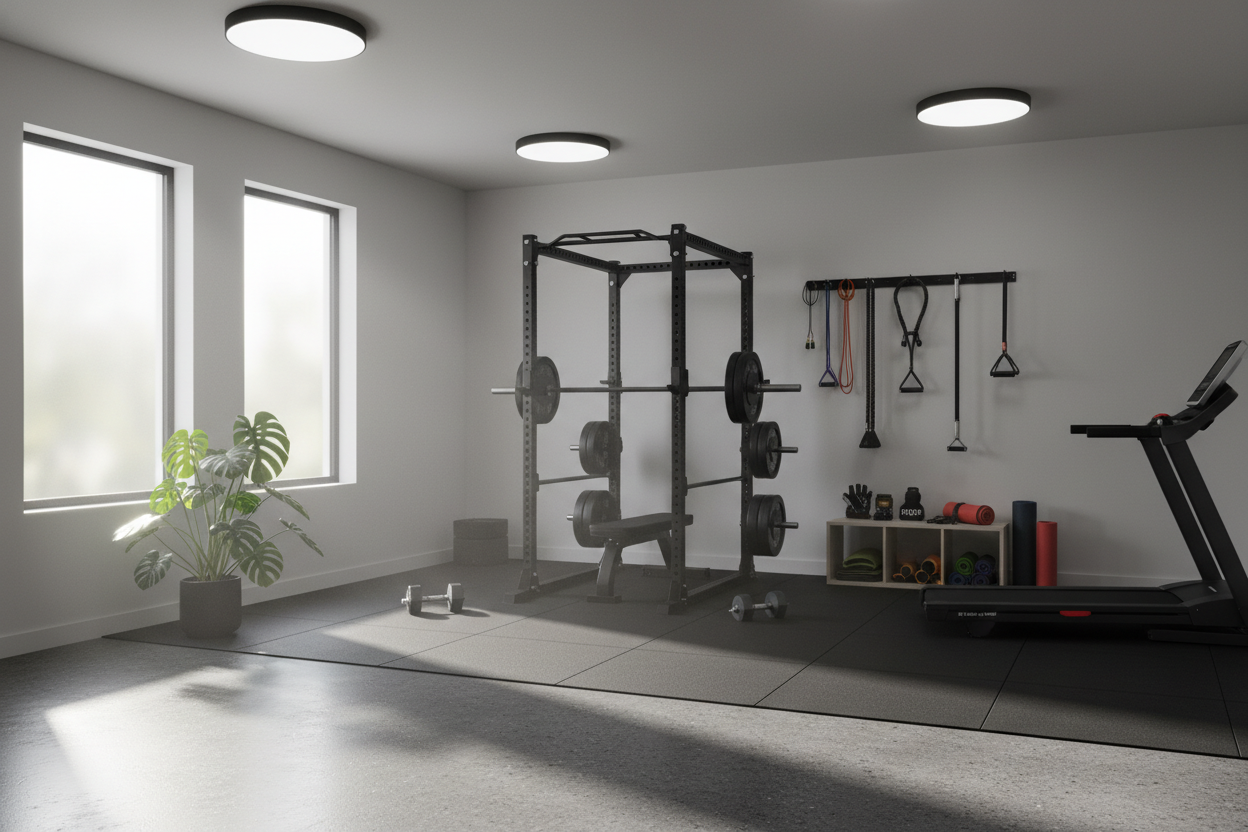
I looked at my pegboard last month and felt like a hoarder. I had twelve different variations of cable handles, three sets of 'core-blasting' straps, and enough foam padding to insulate a small shed. Most of it hadn't been touched in a year. The truth is, most accessories in gym setups are filler designed to make you feel like you're buying progress when you're actually just buying clutter.
Quick Takeaways
- Steel handles with knurling beat rubber-coated plastic every time.
- If a cable attachment has more than two moving parts, it's probably going to break.
- Invest in the 'touchpoints'—the gear you actually hold or wear.
- Most 'ergonomic' grips are marketing gimmicks that limit your natural range of motion.
The Clutter Problem: Why We Buy So Much Junk
It starts with a $15 purchase on a Tuesday night. You see a handle with a weird curve that promises to 'isolate the long head of the tricep,' and it looks cool in the 3D renders. Then it arrives, and it feels like hollow aluminum trash. It's too easy to fall into the trap of thinking a new gadget will fix a stale program.
I've realized that your rack doesn't need twenty attachments to be effective. Upgrading to just two or three of the best home gym accessories—the kind with real weight and aggressive knurling—does more for your training than a box full of cheap nylon. When you're pulling 250 lbs on a lat pulldown, you want steel in your hands, not a squishy foam grip that's sliding off the core.
The Big Four: The Heavy-Duty Essentials
If I had to clear my gym today and start over, I'd only keep four things. First is a pair of heavy-duty, knurled D-handles. Most stock handles are too narrow, pinching the sides of your hands during heavy flies or rows. A wide, stainless steel D-handle is a massive upgrade for anyone using a Smith machine home gym station, as it allows the cable to track naturally with your shoulder mechanics.
Second is a long triceps rope—and I mean at least 36 inches. The standard 27-inch ropes you see in commercial gyms force your wrists into a cramped position. A longer rope allows you to pull the ends apart at the bottom of the movement, hitting that peak contraction without your hands hitting your thighs.
Third is a 10mm lever belt. I wasted years with flimsy velcro 'fitness' belts that popped open during squats. Get a real leather belt that provides a solid wall for your abs to brace against. Finally, get a pair of aluminum barbell collars. Those plastic snap-on ones eventually lose their 'bite' and start sliding during deadlifts. Aluminum collars with a locking cam-lever stay put, even when you're dropping 405 from the hip.
The Gimmicks: All Gym Accessories You Should Avoid
Let's talk about the graveyard of all gym accessories I've tossed in the bin. Flimsy ab straps are at the top of the list. They're awkward to set up, and unless you're doing high-volume hanging leg raises every single day, they just take up space. Just hang from the pull-up bar; it's better for your grip anyway.
Then there are the 'ultra-ergonomic' grips that look like eagle talons. These often force your wrists into a fixed angle that might not work for your specific anatomy. If you've invested in a high-end All In One Smith Machine, don't ruin the experience with cheap, plastic-molded grips. They feel 'mushy' under heavy loads and kill the feedback you get from the pulley system.
Where to Spend vs. Where to Save on Accessories for Gym Use
You don't need a massive budget to outfit a home gym, but you do need to be strategic. Spend your money on anything that involves a bearing or a grip surface. If it moves or you hold it, quality matters. A cheap bearing in a revolving curl bar will seize up in six months, turning your smooth rows into a jerky, frustrating mess.
Where can you save on accessories for gym use? Basic items like liquid chalk, carabiners, and storage hooks. You don't need a brand-name carabiner for $20 when a $5 climbing-rated one from a hardware store does the exact same job. Save your cash for the stuff that actually touches the bar or your body.
Final Verdict: Keep Your Gym Bag Light
My gym bag used to weigh 40 pounds. Now it's just my belt, a pair of straps, and two high-quality handles. Training is about the work, not the collection of plastic handles you have hanging on the wall. Buy the heavy stuff, buy it once, and stop scrolling for 'revolutionary' shortcuts.
FAQ
Do I really need a leather lifting belt?
If you're moving heavy weights, yes. Nylon belts are fine for metabolic conditioning, but for squats and deadlifts, you want the rigidity of leather to help with intra-abdominal pressure.
Are fat grips worth it?
They're a niche tool. They're great for forearm hypertrophy, but don't use them for your main heavy sets because your grip will give out long before your back or legs do.
How do I know if a cable handle is high quality?
Look at the welding and the knurling. If the knurling looks smoothed over or 'painted on,' it's cheap. You want crisp, defined texture that sticks to your hand without needing a death grip.
Share:
I Tested an Old Powerhouse Smith 3000. Here Is the Truth.
I Calculated the Real Technogym Leg Press Starting Weight