
My lower back was done. After a decade of chasing a 500-pound deadlift, my spine felt like a stack of dry crackers. I was staring at my barbell, dreading the next set of heavy squats, when I realized my hypertrophy had stalled anyway. I was moving more weight, but I wasn't looking any bigger.
I swallowed my pride and spent a month focusing exclusively on the machine exercise. I stopped worrying about 'functional' movements and started worrying about mechanical tension. It turns out, my ego was the only thing standing between me and a better physique.
- Joint pain plummeted within the first ten days.
- The mind-muscle connection is significantly easier to find when you aren't stabilizing a heavy bar.
- Using the MD method led to some of the most intense soreness I've felt in years.
- Machine training allows for a much higher volume without total CNS burnout.
Why I Finally Put Down the Barbell
Every garage gym owner has a bit of a 'purist' streak. We think if it's not a barbell or a heavy kettlebell, it's a waste of time. But eventually, the mileage adds up. My knees were clicking, and my shoulders felt like they were full of gravel every time I pressed overhead.
I hit a wall. I was grinding out heavy triples, but my actual muscle growth was non-existent. I decided to ditch the 'hardcore' persona for four weeks to see if a more controlled, high-tension approach could actually spark some new growth.
Decoding the Jargon: What Are the MD and TB Methods?
The protocol I followed leaned heavily on the md method and the tb method machine principles. The 'MD' stands for muscle damage—the idea is to create micro-tears through controlled eccentrics and high-volume sets. The 'TB' or tension-based method focuses on keeping the muscle under constant load throughout the entire range of motion.
Machines are actually superior for this because they provide a fixed path of motion. On a smith machine, for example, you don't have to waste energy balancing the bar. You can put 100% of your focus into the target muscle, driving it to absolute failure without the risk of a barbell crushing your chest or folding your spine.
How I Structured the Machine Workout Protocol
My 4-day split was simple but brutal. I focused on a 3-second eccentric (the lowering phase) and a 1-second pause at the bottom of every rep. This isn't about moving the heaviest plates in the gym; it's about making light weight feel incredibly heavy.
I followed a high-frequency machine workout that prioritized isolation. For anyone looking to replicate this, I highly recommend checking out a complete Smith machine workout guide to see how to adapt classic movements like the bench press or row into a more stable environment.
Lower Body Destruction (Without the Back Pain)
Leg day used to be a mental battle against my lower back. By switching to a leg press hack squat combo machine, I was able to push my quads to failure without my spinal erectors giving out first. The 30-degree angle on that specific unit is a sweet spot for quad recruitment.
I realized that for hypertrophy, the 'machine exercise' beats the barbell squat almost every time. I could do drop sets and rest-pause sets that would be suicidal with a 400-pound bar on my back. My legs actually grew half an inch in a month, largely because I could finally train them with enough intensity.
The Verdict: Is the Machine Exercise Worth the Hype?
After 30 days, the results were clear. My joints feel like they've been on vacation, and I’m actually seeing more definition in my lats and quads. I’m not selling my barbell, but I’m no longer a free-weight snob. If your goal is strictly aesthetics and longevity, machines are a massive asset.
The biggest mistake I made was trying to use too much weight early on. You have to park your ego at the door. If you aren't feeling the muscle contract, the machine isn't doing its job. I’ll be keeping at least two machine-focused days in my rotation from now on.
FAQ
Is machine training 'cheating'?
Only if your goal is to be a powerlifter. If you want to build muscle, your body doesn't know if the resistance comes from a plate or a cable. It only knows tension and fatigue.
Do I need a commercial gym for this?
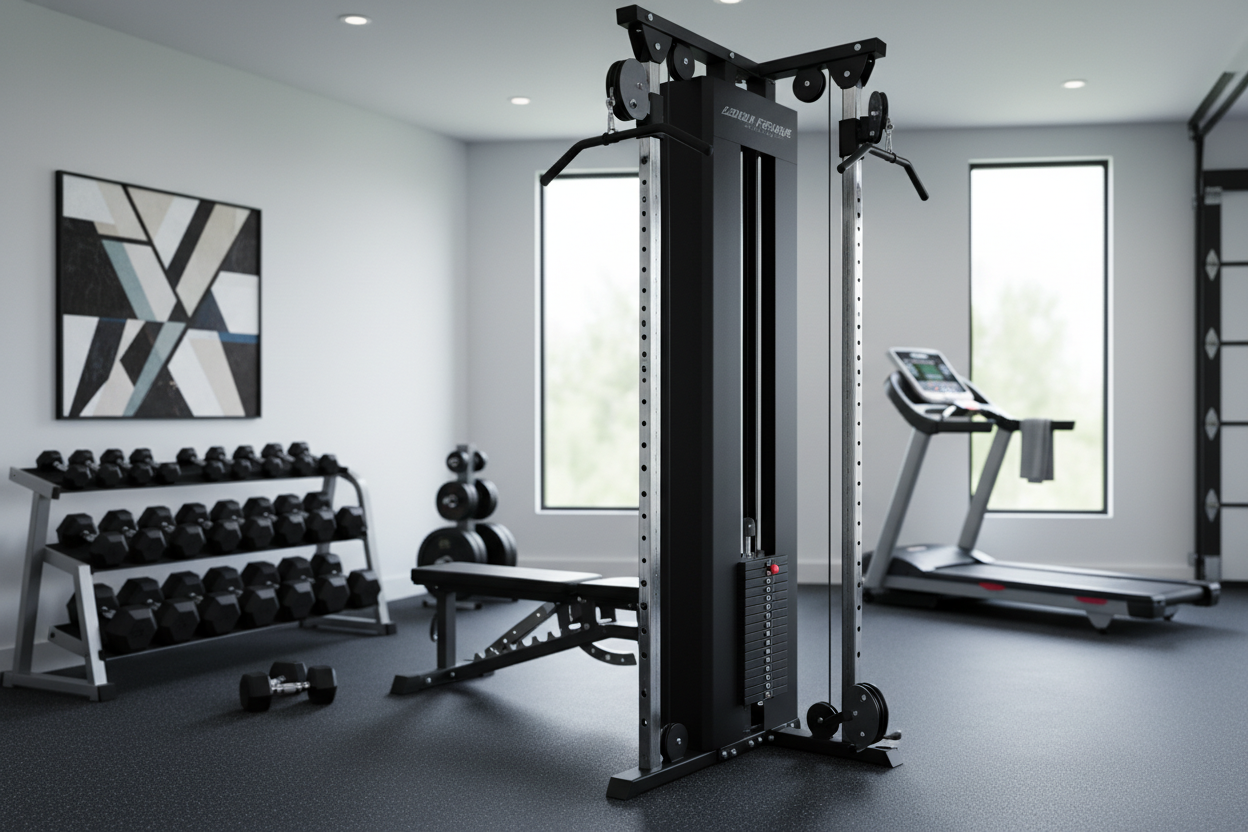
Not anymore. With the rise of high-quality home units like functional trainers and hack squat combos, you can run a pro-level machine protocol in a standard two-car garage.
Will I lose strength if I stop using barbells?
Your specific 'skill' at balancing a barbell might dip slightly, but your raw muscular force production will likely increase because you're actually hitting the target muscles harder.
Share:
I Finally Found Cardio Equipment at Home That Actually Gets Used
I Worked at One of the Biggest Gym Stores (Here's How We Priced Gear)