
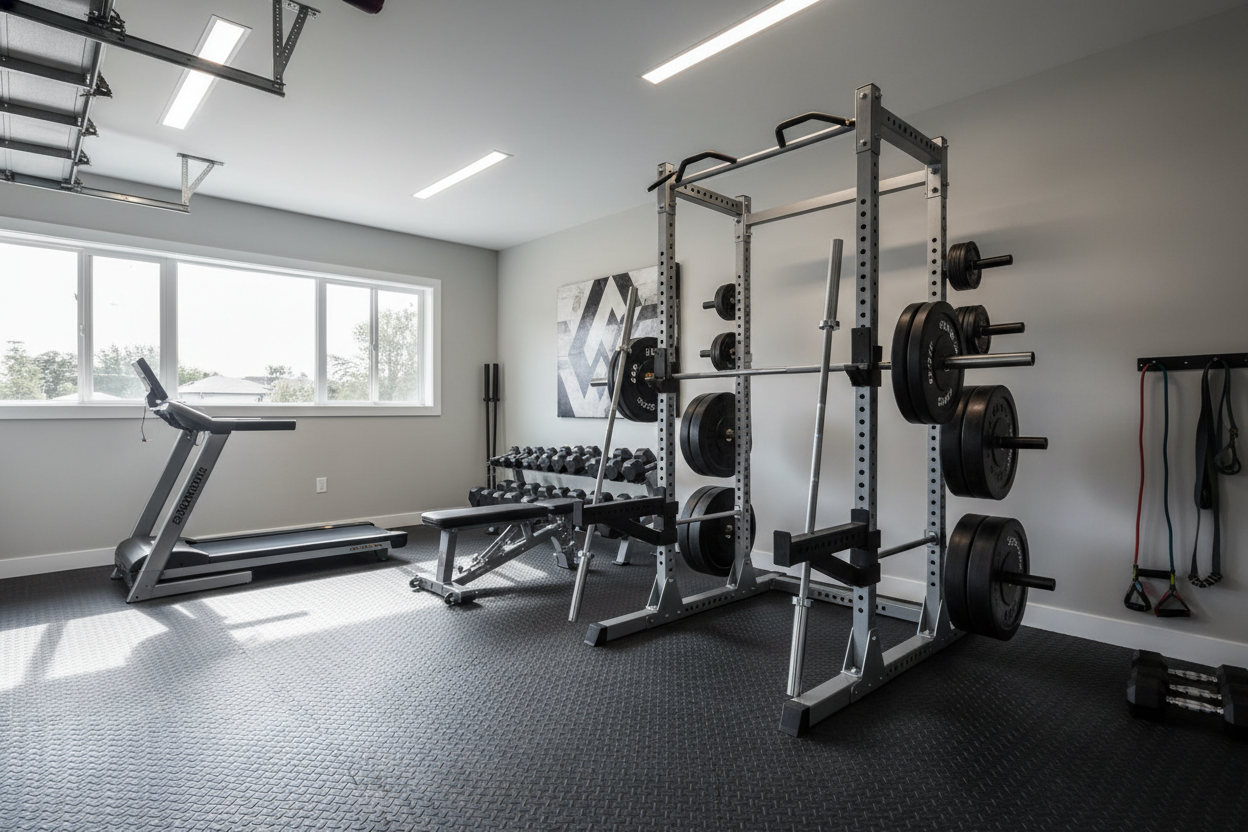
I remember my first 315-lb squat attempt on a bar I bought at a big-box sporting goods chain. As I walked it out, the sleeves groaned, and the steel flexed like a wet noodle. It was terrifying. Finding the best barbells for home isn't about buying the most expensive piece of equipment on the market; it's about buying a tool that won't fail you when the weight actually gets heavy.
Quick Takeaways
- Aim for a minimum of 190,000 PSI tensile strength for durability.
- Avoid 1-inch 'standard' bars; they are a dead-end for progression.
- Choose bushings for powerlifting and bearings for Olympic lifts.
- Finish matters: Cerakote or stainless steel beats decorative chrome in a garage.
Why Your Big Box Store Bar Is Ruining Your Lifts
Most entry-level home gym bars are essentially glorified pipes. They have low tensile strength, which means they'll eventually take a permanent 'set' or bend if you leave weight on them or drop a heavy pull. Worse, the sleeves usually spin on cheap plastic shims. If the sleeve doesn't spin freely, that rotational energy goes straight into your wrists and elbows. That is a fast track to tendonitis.
Investing in a real bar is the highest ROI move you can make. The Best At Home Weight Lifting Equipment Doesn't Fold Away, and it certainly shouldn't feel like it's going to snap during a PR attempt. A quality bar makes every rep feel more stable and predictable.
Anatomy of the Best All Around Barbell
When you're hunting for the best all around barbell, ignore the '1,000-lb capacity' stickers. That's a static rating and mostly marketing fluff. Look at the tensile strength. 190k PSI is the industry standard for a bar that can handle a lifetime of abuse without losing its shape. Anything lower than 160k is risky for serious lifting.
Then there's the knurling—the sandpaper-like texture on the shaft. For a general-purpose bar, you want a 'medium' knurl. You need enough grip to hold on during a heavy deadlift, but you don't want it so sharp it shreds your shins during cleans. Also, ensure you are buying a true 2-inch sleeve Olympic Barbell. This ensures compatibility with high-quality plates and gives you the stability of a 28mm to 29mm shaft diameter.
My Top Barbells for Every Type of Home Lifter
The 'best barbell weight' is almost always 20kg (roughly 45lbs) for men and 15kg for women or those with smaller hands. But the construction of that weight varies wildly depending on how you train.
The Best Weight Bar for Home Gym Powerlifters
If you live for the big three—squat, bench, and deadlift—you want a stiff bar. You don't want 'whip' (flex) when you're trying to stay tight under a heavy squat. Power bars usually have a 29mm diameter and a center knurl to keep the bar from sliding down your back. The 20Kg Olympic Barbell Pb01 is a prime example of a workhorse that provides that rigid, locked-in feel without breaking the bank.
The Best Bar for Olympic Lifting at Home
Olympic lifting is a different beast. You need 'whip' to help propel the bar upward, and you need sleeves that spin on needle bearings. This allows the bar to rotate instantly during a clean or snatch without the plates' inertia ripping the bar out of your hands. Top olympic weightlifting brands prioritize a 28mm shaft and high-quality bearings to ensure that smooth turnover.
The 1-Inch Trap: Why 'Best 1 Inch Barbell' Lists Are Lying
If you see a guide praising the 'best 1 inch barbell,' close the tab. Those bars are a relic of the 1970s. They have low weight capacities, they don't use bearings, and finding quality plates for them is a nightmare. You will outgrow a 1-inch bar in six months. Save your money and go straight to an Olympic-sized setup.
Should You Buy a Bar Alone or the Best Weight Lifting Set?
Buying a bar solo allows you to pick the exact knurl and whip you want, but it's often pricier. If you're starting from zero, a package like the Weight Bench With Barbell Rack And Biceps And Leg Extension Curl Station Z3 can get you moving immediately. Just check the specs on the included bar. If the bundle comes with a high-tensile bar, it's a win. If it's a generic 'starter' bar, plan to upgrade the bar itself once your deadlift crosses the 300-lb mark.
Personal Experience: The Rust Mistake
I once bought a beautiful 'decorative chrome' bar because it was $50 cheaper than the zinc version. Within one humid summer in my garage, the chrome started flaking off in sharp shards. Not only did it look terrible, but those flakes would actually cut my hands during high-rep sets. I ended up buying a second bar a year later. Buy the better finish (Zinc, Cerakote, or Stainless) the first time. It's cheaper than buying two bars.
FAQ
What is the best barbell weight for a beginner?
A standard 20kg (45lb) Olympic bar is the gold standard. It’s what every gym uses, and it allows you to learn the correct mechanics from day one.
Does the finish on a barbell really matter?
Absolutely. If your gym is in a garage or basement, avoid basic chrome. Look for Cerakote or Black Zinc to prevent rust from eating your knurling.
What is the difference between bushings and bearings?
Bushings are simple metal rings that are great for slow, heavy lifts like squats. Bearings use small needles to spin faster, which is essential for fast lifts like the snatch.
Share:
Why I Don't Trust Those 2-in-1 Adjustable Barbell Kits
The Biggest Mistake Lifters Make Buying a Home Smith Machine