
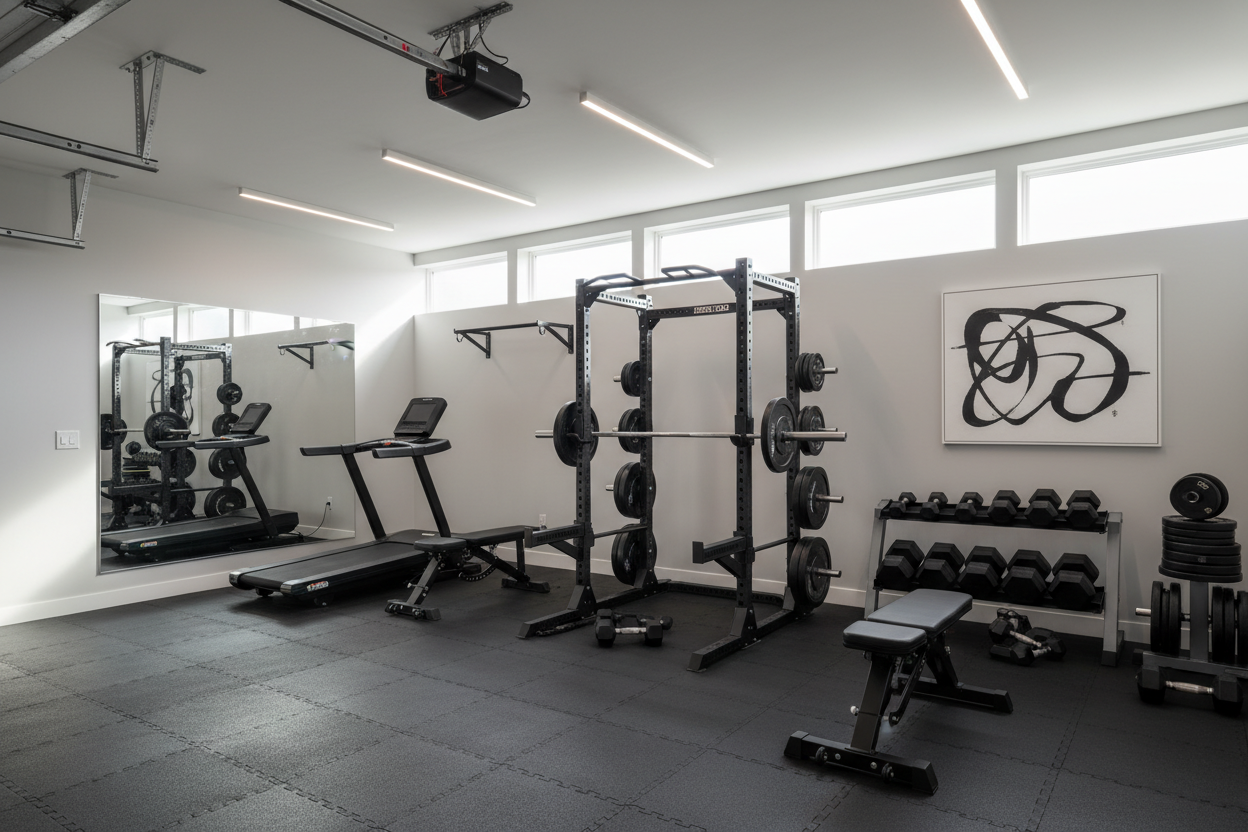
I remember the first time I decided to shop for gym equipment. I had just quit my local commercial box because they raised their rates for the third time in two years. I spent three hours scrolling through a random fitness equipment website at 2:00 AM, mesmerized by high-def photos of oiled-up models using machines that looked like they belonged on a spaceship. I bought a 'heavy-duty' rack that turned out to be about as stable as a folding chair.
That mistake cost me $400 and a lot of pride. Since then, I’ve built three different garage setups and tested everything from bargain-bin plates to competition-grade racks. I’ve learned that the fitness equipment US market is flooded with gear designed to look good in a thumbnail but fail under a heavy set of squats. If you want to buy gym machines that actually last, you need a filter.
Quick Takeaways
- Prioritize 11-gauge or 12-gauge steel over aesthetic finishes.
- Choose multi-functional gym fitness equipment to save floor space.
- Always account for 'working space'—the footprint is never just the machine’s base.
- Check the freight policy; shipping a 400-lb rack isn't like ordering a pair of shoes.
Why Buying Online Feels Like a Gamble
Every gym equipment website you visit claims to have the 'best' or 'most durable' gear. They use deceptive camera angles to make thin-walled steel look massive. When you’re looking to buy gym machines, you aren’t just buying a product; you’re buying a promise that the thing won't collapse when you’re pinned under a PR bench press.
The reality is that most fitness sport equipment is built for the casual user who might use it once a month. If you train hard, you need to look past the lifestyle branding. Finding a reliable gym equipment company requires ignoring the hype and hunting for the cold, hard numbers. Here is how I do it.
Rule 1: Hunt for Steel Specs, Not Glossy Photos
If a gym fitness shop doesn't list the steel gauge, I close the tab. It’s that simple. In the world of physical equipment, 11-gauge steel is the gold standard for home and commercial use. Some mid-range brands use 12-gauge, which is acceptable for most. But if you see 14-gauge or higher, you’re looking at a glorified clothes rack.
A reputable gym equipment company will brag about their materials. They’ll tell you the upright dimensions (like 3x3 inch or 2x3 inch) and the weight capacity. I Asked a Fitness Equipment Designer Why Cheap Gym Machines Suck, and the answer always comes back to the structural integrity of the frame. Don't be fooled by a pretty powder coat; it’s what’s inside the tube that keeps you safe.
Rule 2: Stop Buying Single-Use Machines
I’ve seen too many people fill their garage with a dedicated leg extension machine, a dedicated chest press, and a dedicated row. Unless you live in a warehouse, you don't have the room. When you browse for gym and fitness equipment, look for pieces that do three things at once. Space is your most valuable currency.
I’m a huge fan of functional trainers or a Smith Machine Home Gym Station. These units allow you to hit your primary compounds while offering cable versatility for accessory work, all within a single footprint. It’s better to have one high-quality, versatile piece of health gym equipment than five cheap unitaskers that leave you no room to breathe.
Rule 3: Map Out Your Cable Clearances
The biggest mistake I ever made was measuring for the machine but not the human. A gym equipment website might say a rack is 48 inches wide, but they aren't counting the 7-foot Olympic bar you’re going to put on it. You need to account for 'dynamic' space—where the weights travel and where your body moves.
This is especially true for an All In One Smith Machine With Cable Crossover S1 V4. You need to ensure you have clearance for the cable arms to swing out and for you to stand back for chest flies. Before you commit to an online gym machine, tape out the dimensions on your floor. If you can't walk around it comfortably, it’s too big.
Rule 4: Investigate the Freight and Return Reality
Buying fitness equipment in USA often means dealing with LTL (Less Than Truckload) freight. This isn't a standard courier delivery. If a fitness brand equipment site offers 'free shipping,' make sure you know if that includes liftgate service. Otherwise, the driver might just leave a 500-lb crate at the end of your driveway.
Also, read the return policy for any gym equipment buy. Shipping a heavy power rack back because you 'didn't like the color' can cost you $300 in freight charges. Only buy from exercise equipment website retailers that have a clear, honest policy about what happens if the gear arrives damaged or isn't up to snuff.
The Bottom Line on Building Your Setup
Building a Home Gym is a marathon, not a sprint. You don't need all fitness equipment on day one. Start with a solid foundation—a rack, a bar, and plates—and add body fit equipment as you find the gaps in your training. If you follow the specs and ignore the marketing fluff, you’ll end up with a space that actually makes you want to train.
Personal Experience: My Wobbly Bench Lesson
A few years back, I bought a cheap adjustable bench from a generic gym equipment for gym site. It was rated for 600 lbs. On paper, that sounded fine. But the first time I tried to do heavy dumbbell presses, the gap between the seat and the back pad was so wide it felt like I was falling into a canyon, and the whole thing creaked like an old ship. I ended up selling it for $20 and buying a heavy-duty flat bench instead. I learned the hard way: if the price seems too good to be true, the stability probably is too.
FAQ
Is 11-gauge steel really necessary?
For a power rack or a squat stand, yes. It provides the mass and rigidity needed to keep the rack from shifting when you re-rack a heavy bar. For smaller accessory pieces, you can sometimes get away with 12-gauge.
What is the most important piece of equipment to start with?
Always start with a high-quality barbell and a squat rack. You can do 90% of your strength work with those two items. Everything else—cables, machines, dumbbells—is just icing on the cake.
How do I know if a website is legit?
Look for real customer photos in the reviews, not just stock images. Check if they have a physical address and a working customer service line. If they only accept 'friends and family' payments or have zero social media presence, stay away.
Share:
The Only Leg Workout Smith Machine Owners Actually Need
The Only 3 Times Pro Exercise Equipment Is Worth the Upcharge