
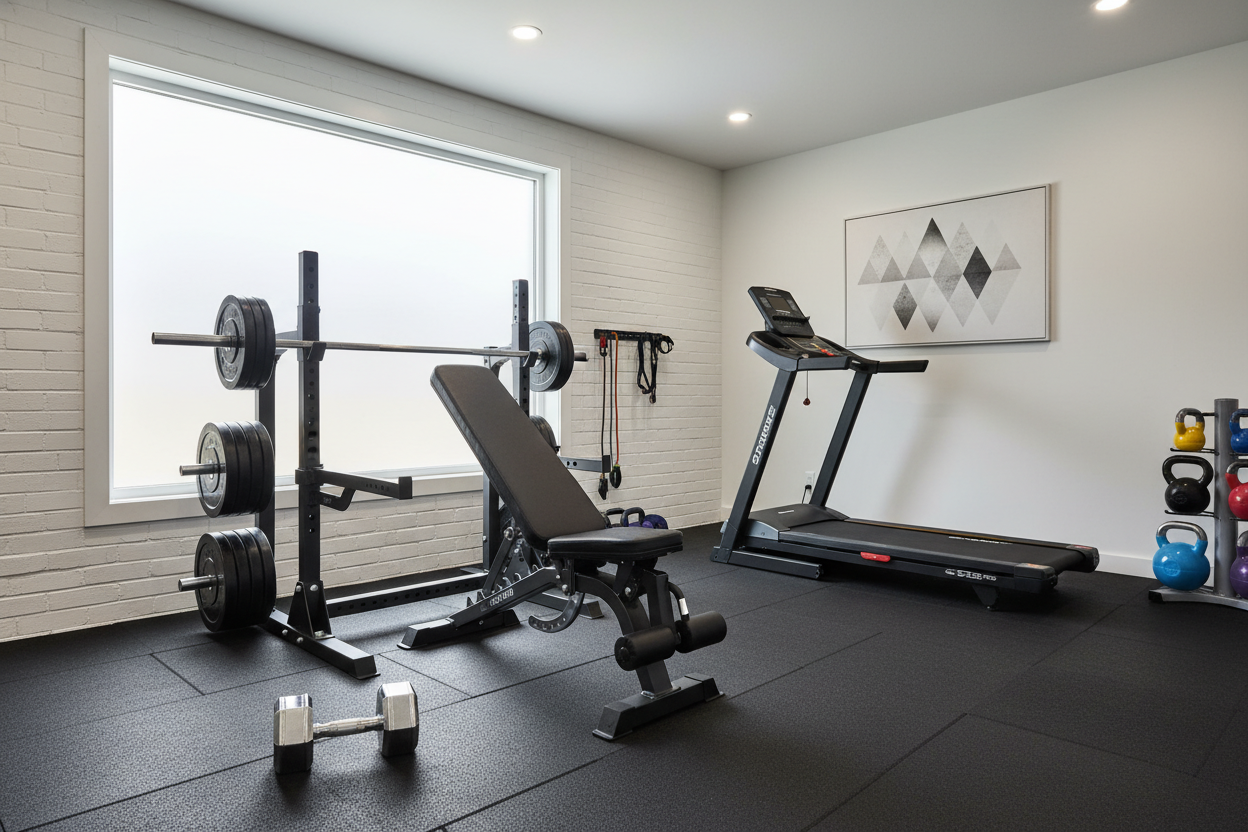
I remember the first time I tried to max out on a cheap big-box store bench. The frame creaked, the vinyl felt like a plastic grocery bag, and I genuinely thought I was going to end up as a viral gym-fail video. Finding the best weight bench isn't about the flashy brand names or the thickest cushion; it's about the steel that keeps you from hitting the floor when you've got 200 pounds over your face.
Quick Takeaways
- Steel gauge is the foundation — don't settle for less than 11 or 12-gauge if you lift heavy.
- Tripod (3-post) bases are superior for foot drive compared to wide 4-post designs.
- The 'gap' between the seat and backrest can ruin your bench press arch.
- Weight capacity ratings are often marketing fluff; look at the bolt size and weld quality instead.
Stop Buying Benches Based on the Foam Pad
Most beginners pick the best exercise bench for home based on how soft the pad feels. That’s a rookie move. You can always swap a pad or throw a Gripmed cover on it, but you can’t fix a weak skeleton. When searching for the best bench for workout sessions, you need to look underneath the vinyl.
A high-quality frame should feel like a tank. If you can grab the top of the bench and wiggle it side-to-side more than a fraction of an inch, it’s going to feel like a boat on high seas once you start doing heavy dumbbell presses. The best fitness benches prioritize frame rigidity over fancy stitching every single time.
The Steel Gauge Test: What Actually Holds Your Weight
Steel gauge is a 'lower is better' number. 11-gauge steel is roughly 1/8 inch thick and is the gold standard for any serious weight lifting bench. Many cheap options use 14-gauge, which is significantly thinner and prone to bowing under heavy loads. If you are debating do you actually need a commercial weight bench for your garage, the answer is yes if you plan on ever pressing more than 300 pounds total including your body weight.
Manufacturers love to slap a '1,000-lb capacity' sticker on 14-gauge steel, but that’s static weight. The moment you drop into a heavy set, that force becomes dynamic. For the best weight training bench, I look for 2x3 or 3x3 inch steel tubing. Anything less feels like a toy when you're going for a PR.
Flat vs. FID: Don't Pay for Angles You Won't Use
You have two main paths: the best flat weight bench or a Flat-Incline-Decline (FID) setup. A flat bench is usually cheaper, lighter, and more stable because it has zero moving parts. It’s the best home gym bench for pure powerlifters who just want to move heavy iron without any wobble.
However, if you want the best adjustable weight bench for home gym versatility, an FID bench is the way to go. It opens up incline presses and seated dumbbell work. The Adjustable Weight Bench Owb01 is a great example of a frame that provides those angles without feeling like a rickety lawn chair. Just remember: the more hinges a bench has, the more potential points of failure there are.
The Pad Gap Dilemma on Adjustable Frames
The biggest flaw in many adjustable workout bench designs is the 'pad gap.' This is the 2-to-3 inch space between the seat and the backrest when the bench is flat. If that gap hits right where your lower back needs to arch, your set is ruined. It’s uncomfortable and potentially dangerous for your positioning.
The best home weight bench designs now feature zero-gap mechanisms where the seat slides back to meet the backrest. If you're looking for the best workout bench for home use, pay close attention to the hinge design. A massive gap is a dealbreaker for anyone serious about their bench press form.
Footprint and Stance: Why Some Benches Tip Over
Stability isn't just about weight; it's about the footprint. I prefer a 3-post design (one leg at the front, two at the back). Why? Because when you're looking for the best bench for dumbbells, you need space to tuck your feet back for leg drive. A wide front T-bar leg always gets in the way of your sneakers.
Check out the full Weight Bench collection and compare the base widths. A wider rear base prevents the bench from tipping during lateral movements, like Bulgarian split squats or dumbbell rows. If the bench is too light and the base is too narrow, you'll feel it lift off the ground when you shift your weight.
When to Consider Attachments (And When to Pass)
I usually tell people to avoid 'Swiss Army Knife' benches. Often, adding a leg developer or a preacher curl attachment just makes the main bench wobbly. However, if space is your biggest constraint, the Weight Bench With Barbell Rack And Biceps And Leg Extension Curl Station Z3 is one of the few setups that actually feels stable while offering those extras.
If you're buying the best weight bench with rack included, make sure the uprights are adjustable. There is nothing worse than a fixed rack that doesn't match your arm length, forcing you to do a 'half-rep' just to unrack the bar.
My Honest Mistake
Years ago, I bought a 'portable weight bench' because it folded up under a bed. It was light, easy to move, and felt like it was made of soda cans. The first time I tried to do step-ups on it, the locking pin sheared off. I learned that day that if a bench is light enough to carry with one finger, it’s probably not heavy enough to support your life. I now prioritize a bench with wheels over one that folds.
FAQ
Is a flat bench better than an adjustable one?
A flat bench is more stable and usually has a higher weight capacity for a lower price. It's better for pure powerlifting. An adjustable bench is better for general bodybuilding and hypertrophy.
What is the ideal height for a weight bench?
Look for a height of 17 to 17.5 inches from the floor to the top of the pad. This allows most lifters to get their feet flat on the floor for proper leg drive.
How wide should the pad be?
11 to 12 inches is the sweet spot. Anything narrower and your shoulders will hang off the sides; anything wider and it will interfere with your range of motion during the eccentric phase of a press.
Share:
Do the Best Weights Benches Actually Need to Cost Over $500?
The Rock Fitness Bench Feels Expensive, But Is It Actually Safe?