
I remember my first 'barbell deal.' I was twenty, broke, and stoked to find a 300lb weight set at a local big-box store for under two hundred bucks. I thought I'd won the lottery. Three months later, that bar looked like a wet noodle after a set of mediocre 315lb deadlifts. It didn't snap, but it had a permanent 'smile' that made every lift feel lopsided and dangerous.
Quick Takeaways
- Avoid any bar with a tensile strength under 160,000 PSI.
- If the sleeve is held on by a bolt at the end, it is a 'barbell stick,' not a piece of gym equipment.
- Bushings are for slow, heavy lifts; bearings are for fast, explosive movements.
- Shipping matters—reputable brands ship in thick, reinforced tubes to prevent shipping damage.
The Trap of the Big-Box 'Barbell Deal'
Walk into any generic sporting goods store and you will see racks of shiny chrome bars. They look fine on the rack, but these are almost always low-grade steel with a 500lb 'static capacity' that means nothing in the real world. A static load is just weight sitting there; the second you drop that bar or move it quickly, the dynamic force will exceed that rating instantly.
These retailers prey on people looking for a cheap barbell. They use bolts to secure the sleeves, which eventually rattle loose and spin poorly. Using a cheap barbell for outdoors or even in a humid garage is a recipe for disaster. The low-quality zinc or chrome will flake off, leaving you with a rusted, gritty mess that ruins your grip and your clothes.
Specs That Actually Matter When You Buy a Barbell
When you are ready to buy barbells that actually last, stop looking at the price tag and start looking at the tensile strength. This is measured in PSI (pounds per square inch). If a brand doesn't list their PSI, don't buy it. You want at least 190,000 PSI for a daily driver. This is the 'sweet spot' where the steel is strong enough to hold weight but flexible enough to return to straight after a heavy lift.
Next, consider the spin. Bushings (usually bronze or oil-lite) are the standard for powerlifting. They are durable and require less maintenance. If you are doing cleans and snatches, you might want bearings, but they cost more. For most people, an olympic barbell for beginners should focus on a 28mm to 28.5mm shaft diameter and a medium knurl—enough to stick to your hands without drawing blood every time you pull.
Answering the Age-Old Question: Where Can I Buy Barbells?
So, where can I buy barbells that don't suck? You have two real options: order barbell direct from a manufacturer or hunt the used market. Buying used can score you a deal, but you risk getting a bar that was dropped on a rack and has a micro-bend you won't notice until you get it home. I've been burned there before.
When you make a barbell purchase online, you're paying for the logistics as much as the steel. A standard 20kg olympic barbell weighs 44 pounds, and the shipping tube adds another five. If a company offers 'free shipping,' make sure they aren't cutting corners on the packaging. A bent bar arriving at your door is a nightmare to return.
Should You Get a Deadlift Barbell Set or Buy Everything Separately?
You'll often see a deadlift barbell set marketed as a 'one-stop shop.' These can be great if the bar included is actually worth a damn. Usually, these bundles are a way for companies to offload mediocre plates. If you are starting from scratch, look for a bundle that prioritizes the bar specs first.
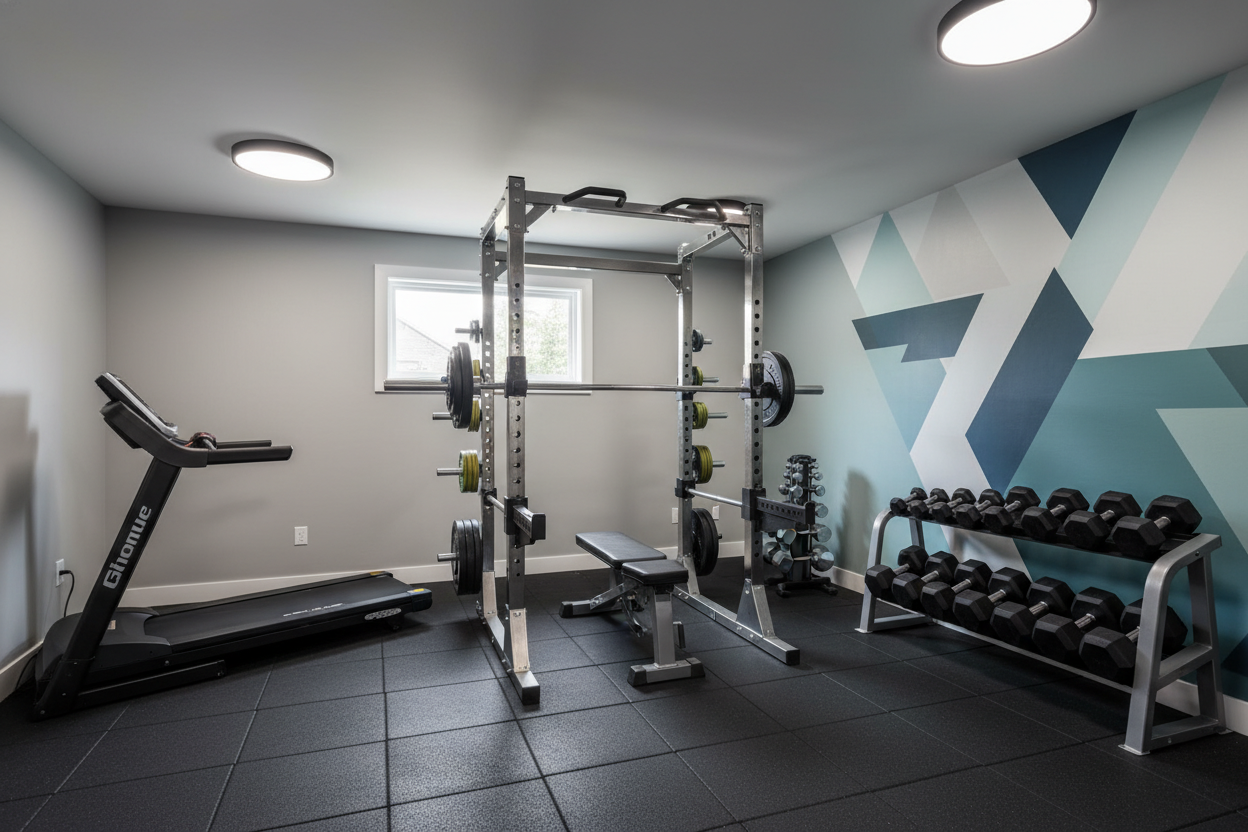
If you're also looking for a bench setup with a barbell rack, sometimes buying the bar separately is the smarter play. You can get a world-class bar and pair it with a budget-friendly rack. Never compromise on the piece of equipment that is actually in your hands. You can lift on a cheap rack for years, but a bad bar will kill your motivation in weeks.
The Final Verdict: My Go-To Barbell to Buy
My advice for your next barbell buy is simple: don't chase the lowest price. A good bar is a ten-year investment, not a disposable toy. Look for 190k+ PSI, a lifetime warranty against bending, and a finish like Cerakote or stainless steel if you live in a humid climate. When you finally buy a barbell that meets those specs, you'll wonder why you ever messed with the cheap stuff.
My Personal Lesson in Iron
I once bought a 'mystery bar' from a guy on Craigslist for fifty bucks. It looked straight as an arrow. The first time I loaded 405 on it, I heard a literal 'clink' sound. The sleeve had shifted because the internal snap ring was actually just a piece of bent wire. I finished the set, but I never used that bar again. I realized then that my safety was worth more than saving a hundred dollars. I ended up buying a proper bar and I've been using that same one for eight years now.
Barbell Buying FAQ
What is the difference between a 15kg and 20kg bar?
20kg is the standard 'men's' bar, usually 28-29mm thick. 15kg is the 'women's' bar, which is shorter and has a 25mm shaft to better fit smaller hands. Both fit standard Olympic plates.
Can I use a barbell for deadlifts and squats?
Yes, a multi-purpose bar or 'Ohio-style' bar is designed for both. However, dedicated powerlifting bars are stiffer, while deadlift bars are thinner and 'whip' more.
How do I maintain my barbell?
Brush the chalk out of the knurling once a week with a plastic bristle brush and wipe it down with a light coat of 3-in-1 oil. This prevents sweat from turning into rust.
Share:
How to Pick a Coated Dumbbells Set That Won't Peel in 6 Months
Kettlebells vs Dumbbells for Weights: My 5-Year Verdict