
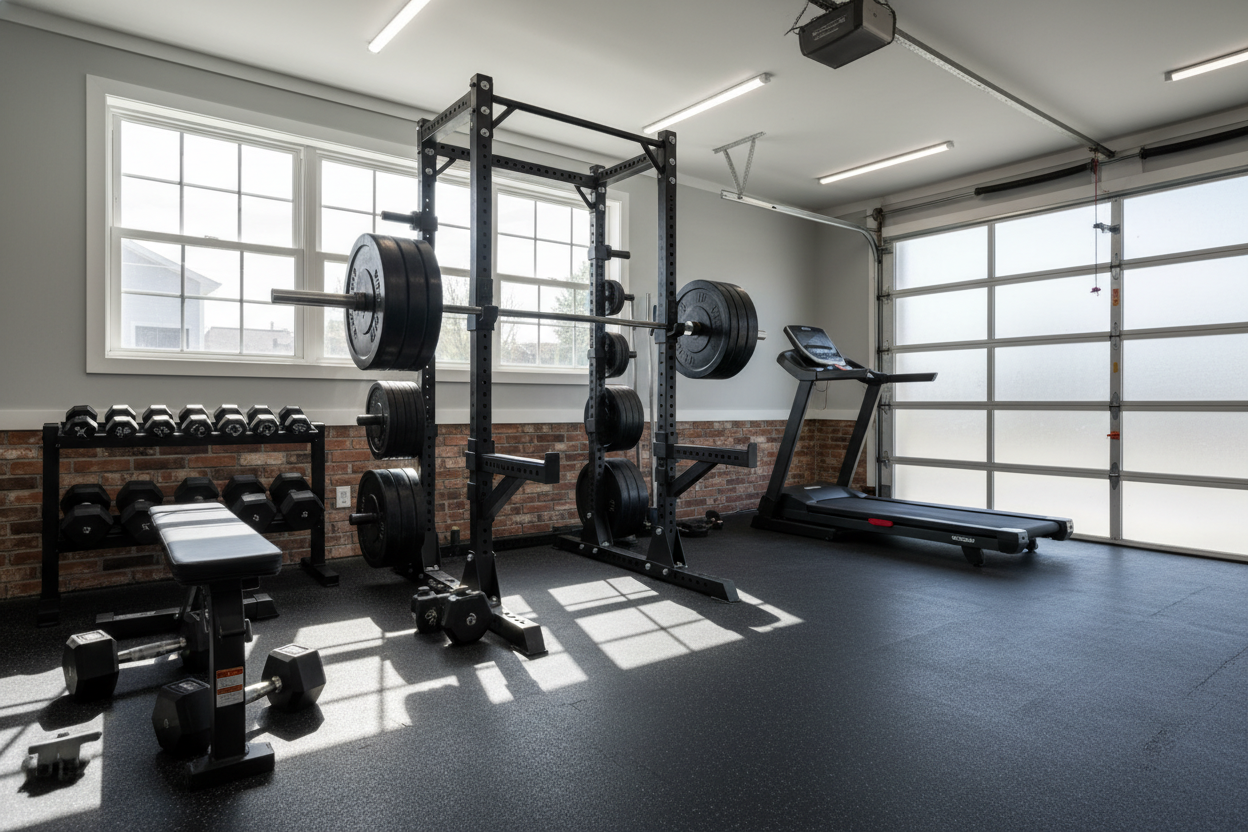
I remember the first time I felt 405 lbs oscillate on my back. It wasn't the weight that scared me—it was the rhythmic, violent bouncing of the steel. I was deep in the hole, and suddenly, my garage felt very small and very dangerous. Buying a big barbell isn't just about ego; it's about not getting stapled to your rack because your equipment decided to turn into a trampoline.
Quick Takeaways
- Standard 28mm bars are built to whip; power bars (29mm+) are built to stay stiff under load.
- Aggressive center knurling is a safety requirement, not an option, for heavy squats.
- An 8ft barbell provides the sleeve space needed for wide racks and thick plates.
- High tensile strength (190k+ PSI) matters more than the thickness of the steel alone.
The Day My Standard Olympic Bar Started Bouncing
My 20Kg Olympic Barbell Pb01 has been my daily driver for years. It’s a fantastic piece of kit for cleans, snatches, and high-rep vanity work. But the day I decided to test my 1-rep max squat, that 28mm shaft met its match. As I hit the bottom of the rep, the bar flexed so hard I felt the plates actually tugging me off balance.
That 'whip' is a feature for weightlifters, but for a powerlifter, it's a liability. I realized then that a standard bar wasn't going to cut it for my heavy days. I needed a heavy barbell built for static, grinding lifts—something that wouldn't turn into a diving board the second I loaded a fourth plate on each side.
What Actually Makes a Big Barbell Different?
Most people look at a generic gym barbell for sale and just see a metal stick. They’re missing the specs that actually keep you alive under a heavy load. A dedicated power bar usually bumps the shaft diameter from 28mm to 29mm or even 32mm. That single millimeter might sound small, but it significantly increases the stiffness of the bar.
Then there’s the length. An 8ft barbell isn't just for show; it gives you the sleeve length to stack those thick, old-school round barbell weights without running out of room. You also get aggressive center knurling. If you’ve ever had a bar start sliding down your sweaty back mid-set, you know why that cheese-grater texture is worth its weight in gold.
Bar Whip vs. Stiffness: Why You Are Losing Power
People often ask, Does It Really Matter Which Barbell for Weights You Buy? If you’re lifting heavy, the answer is a resounding yes. A standard weight lifting barbell for sale is designed to store energy. When an Olympic lifter catches a clean, that flex helps them bounce out of the hole. In a squat, that same energy creates vibration that forces your core to work twice as hard just to stay upright.
Using a dedicated squat barbell for sale eliminates that oscillation. The bar stays rigid, meaning every ounce of force you drive into the floor goes directly into moving the weight upward. You aren't fighting the bar; you're just fighting gravity. It’s the difference between standing on a concrete floor and standing on a mattress.
How to Shop for Thicker Steel Without Getting Gouged
Don't get distracted by a low weight bar price. I've seen 'fat bars' on Amazon that were basically just plumbing pipe with sleeves welded on. They look beefy, but they have the structural integrity of a coat hanger. When you're hunting for a power barbell for sale, you need to look at the tensile strength—aim for at least 190,000 PSI.
I always tell people to browse a legitimate Olympic Barbell collection from a brand that actually lists their steel specs. Avoid those cheap weighted barbells for sale that use 'decorative' chrome or mystery alloys. You want a bar that’s been tested to hold 1,500 lbs, even if you only plan on lifting a third of that. The overhead in safety is what you're actually paying for.
Final Verdict: Do You Actually Need the Extra Steel?
If you’re still working your way toward a 315-lb squat, a standard barbell for sale will do you just fine. There's no need to overcomplicate things early on. However, once you start sniffing around 400 lbs, or if you simply hate the feeling of the bar vibrating on your traps, the upgrade is mandatory.
My biggest mistake was waiting too long to make the switch. I spent months fighting a shaky bar, thinking my core was weak. Turns out, it was just the steel. If you want to lift heavy, buy the gear that can actually handle the weight.
FAQ
Is a 29mm bar too thick for deadlifts?
It’s definitely harder to grip than a 27mm or 28mm bar. If you have small hands, you might struggle with a double-overhand grip, but for the actual pull, the lack of flex makes the start of the lift feel much more consistent.
Why is center knurling so rough?
It’s designed to 'bite' into your shirt or skin. On a heavy squat, this prevents the bar from rolling or sliding, which is the leading cause of failed reps and bailing. It’s supposed to be uncomfortable; that’s how you know it’s working.
Will an 8ft bar fit in a standard power rack?
Usually, yes. Most 8ft bars have the extra length in the sleeves, not the space between the collars. Just make sure your gym space has enough lateral clearance so you aren't punching holes in your drywall when you load plates.
Share:
Ignore the Influencers: The Real Things You Need to Workout at Home
Is the Ironsport Barbell Weight Set Worth the Garage Space?