
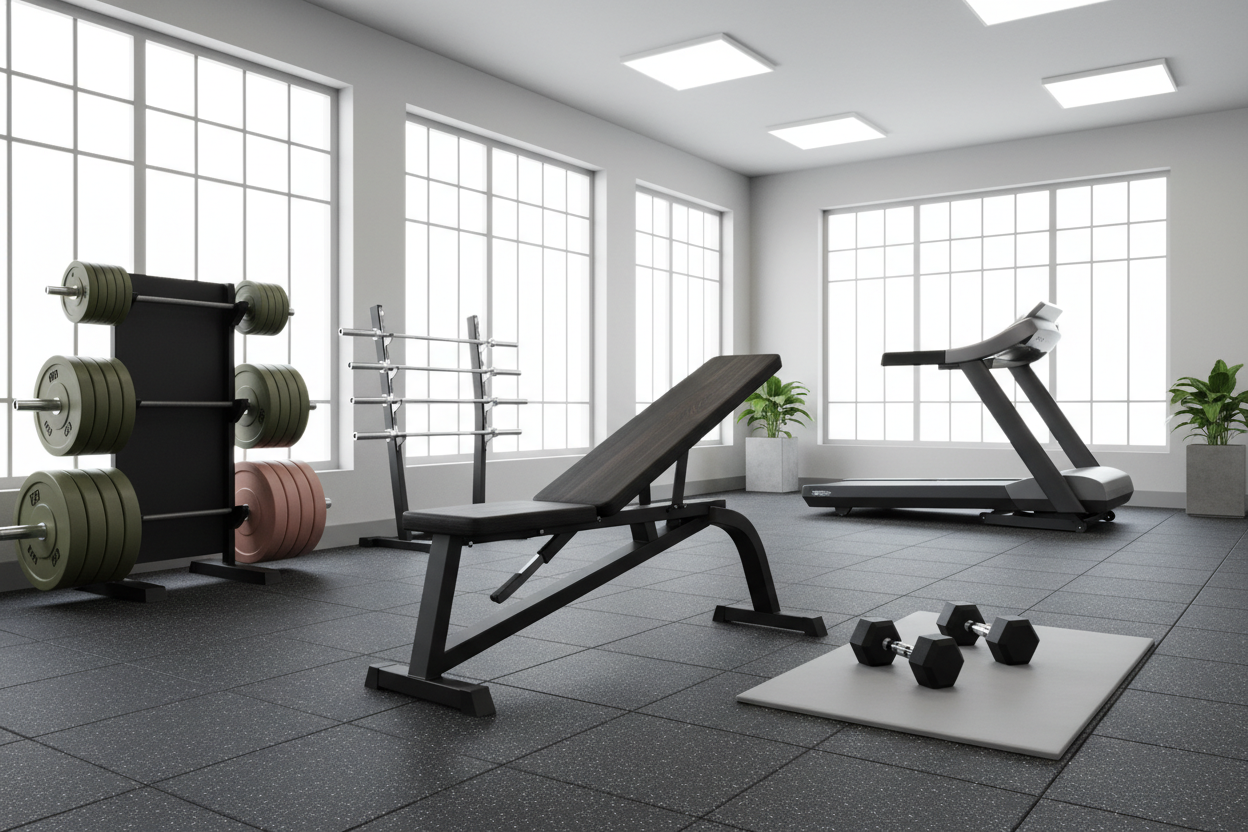
I was scrolling through my feed the other night when I saw it: a weight bench that looked like it belonged in a Scandinavian art gallery. It had blonde wood accents, white vegan leather, and legs so thin they looked like hairpins. It was the ultimate aesthetic workout bench, designed for people who want their home gym to double as a guest room. But as someone who has spent a decade dropping 100-pound dumbbells and sweating through heavy triples, my first thought wasn't 'I want that.' It was 'That thing is going to collapse the second I try to bench three plates.'
The surge of 'lifestyle' fitness gear is a double-edged sword. On one hand, it’s great that equipment is finally moving out of damp basements and into the sunlight. On the other hand, most of these designer pieces are built by furniture companies, not strength companies. They prioritize the 'look' over the 'load,' and in the world of iron, that's a dangerous trade-off. If your bench is more concerned with matching your curtains than supporting your spine, you've got a problem.
Quick Takeaways
- Most aesthetic benches use thin 14-gauge steel or wood, which can't handle heavy dynamic loads.
- Look for 11-gauge steel and a minimum 600-lb weight capacity, even if the bench looks 'pretty.'
- Avoid benches with thin, soft foam; high-density padding is essential for stability.
- Matte finishes look great but can show scratches and sweat stains faster than traditional powder coats.
The Illusion of Premium Furniture Fitness
Social media algorithms have a type. They love clean lines, neutral tones, and minimalist spaces. This has birthed a new category of 'living room ready' gear. The problem is that physics doesn't care about your interior design. An aesthetic weight bench often sacrifices structural integrity for a slimmer profile. I've seen 'designer' benches that use 1.5-inch steel tubing. For context, any reputable rack or bench uses at least 2x3 or 3x3 inch steel. When you're lying under a heavy bar, you want mass under you, not minimalism.
These brands often market to beginners who don't know the difference between 'sturdy' and 'safe.' They see a beautiful photo and assume the price tag reflects the quality of the engineering. Usually, you're just paying a 40% markup for a specific shade of beige vinyl. If the marketing copy spends more time talking about 'hand-stitched accents' than it does about the gauge of the steel or the bolt-strength, keep your wallet closed. You aren't buying a bench; you're buying a prop.
I’ve tested benches that wobbled the moment I sat down with 50-pounders. That side-to-side play is a sign of poor tolerances in the joints. A bench should feel like a part of the floor, not a rocking chair. If a brand won't list its maximum weight capacity—including the user's weight—run the other way. Most of these lifestyle benches cap out at 300 lbs, which is barely enough for a grown man and a pair of moderate dumbbells.
What Actually Makes an Aesthetic Weight Bench Safe?
If you really want a bench that looks good, you have to look under the hood. The gold standard for any serious home gym is 11-gauge steel. This is thick, heavy-duty stuff that won't flex or bow. Many 'pretty' benches use 14-gauge or even 16-gauge steel to keep the weight down and the profile slim. That's fine for a coffee table, but it's a disaster for an adjustable weight bench where the pivot points are under constant stress.
Weld quality is the next thing I check. On cheap aesthetic gear, the welds are often ground down to look 'smooth' and 'seamless.' While that looks nice, over-grinding a weld can actually weaken the joint. I’d much rather see a 'stack of pennies' weld that shows the penetration of the heat than a perfectly smooth corner that might snap under pressure. Then there's the foam. High-density foam is non-negotiable. If you can pinch the pad and feel the plywood or steel base underneath, the foam is too soft. Soft foam doesn't just feel cheap; it's unstable. Your shoulders will sink in, making it impossible to create a solid base for pressing.
Don't be fooled by 'vegan leather' either. In the fitness world, that's often just a fancy name for thin PVC that will tear the first time a dumbbell hex head grazes it. You want a heavy-duty, commercial-grade vinyl with a high 'double-rub' count. This ensures the material can handle the friction of your body moving against it without thinning out or cracking. A truly well-built bench can look elegant, but it should still feel like a tank when you try to move it.
Can Pretty Gear Survive a Real Workout?
Durability is where the 'aesthetic' trend usually falls apart. Take matte powder coats, for example. They look incredible in photos—no glare, very tactical. In practice? They are magnets for skin oils and sweat. Unless you're wiping it down with a specific cleaner after every single set, it’s going to look greasy within a month. Traditional 'crinkle' or 'textured' powder coats aren't just for looks; they provide grip so your back doesn't slide during a press, and they hide the inevitable scratches from your wedding ring or gym bag.
If you're comparing a standalone boutique bench to something more industrial, like a weight bench chest press machine, the difference in build philosophy is jarring. The machine is built to be abused. The aesthetic bench is built to be photographed. I’ve seen custom-stitched pads that look great on day one, but after six months of heavy use, the sweat starts to seep into the seams because they weren't heat-sealed. Once sweat gets into the wood core of a bench pad, it’s a one-way trip to Funk-town. It will smell, and it will eventually rot from the inside out.
I’ve also noticed that 'designer' benches often have smaller footprints to save space. While a small footprint is great for a studio apartment, it’s terrible for stability. A narrow base means a higher center of gravity and a higher risk of the bench tipping if you rack a bar unevenly. Real gym equipment is bulky for a reason—it’s meant to stay put.
How to Find the Sweet Spot Between Art and Iron
You don't have to settle for a rusted, ugly hunk of metal that looks like it was salvaged from a 1980s high school weight room. There is a middle ground. The key is to shop from brands that have a history in strength and conditioning first, and aesthetics second. You want a weight bench from a company that understands the mechanics of a heavy squat or a max-effort bench press.
Look for 'commercial lite' or 'prosumer' lines. These often come in various colors—like deep reds, blues, or even a clean white—but they keep the 11-gauge steel and the heavy-duty hardware. You can also customize a standard bench. Buy a high-quality, blacked-out bench and then swap the pads for something custom if you're dying for a specific look. That way, the 'art' is just the upholstery, but the 'iron' underneath is solid.
Finally, check the hardware. A real bench uses beefy Grade 5 or Grade 8 bolts. If the bench comes with tiny, silver IKEA-style screws, it’s not meant for lifting. It’s meant for sitting. If you’re serious about your training, spend your money on the frame and the hinge mechanism. You can always throw a nice towel over a boring bench, but you can't fix a snapped frame with a pretty Instagram filter.
My Personal Experience with 'Pretty' Gear
A few years ago, I fell for it. I bought this sleek, walnut-trimmed bench for my home office. It looked amazing next to my bookshelf. The first time I tried to do heavy Bulgarian split squats on it, the wood trim cracked. A month later, during a 225-lb bench press, the 'aesthetic' hinge shifted about half an inch to the left. It was the most terrifying rep of my life. I sold it on Marketplace the next day and went back to my ugly, overbuilt black steel bench. I learned the hard way: your gear should be the strongest thing in the room, not the prettiest.
FAQ
Is a 300-lb weight capacity enough for a home bench?
Usually, no. Remember that 'weight capacity' includes your body weight. If you weigh 200 lbs, that only leaves 100 lbs for your weights. Aim for a bench with at least a 600-lb capacity to ensure it can handle your progress and maintain stability.
Does the color of the powder coat affect durability?
Not necessarily, but the texture does. Smooth, glossy finishes show scratches easily. Textured or 'hammertone' finishes are much better at hiding the wear and tear that comes with moving dumbbells around.
Can I use an aesthetic bench for HIIT or box jumps?
I wouldn't recommend it unless it's specifically rated for dynamic movements. Many furniture-style benches have thin legs that can't handle the lateral force of someone jumping onto them, which can lead to the legs buckling or the bench tipping.
Share:
Kettlebells vs Dumbbells for Weights: My 5-Year Verdict
Do Specialty Fitness Equipment Shops Actually Sell Better Gear?