
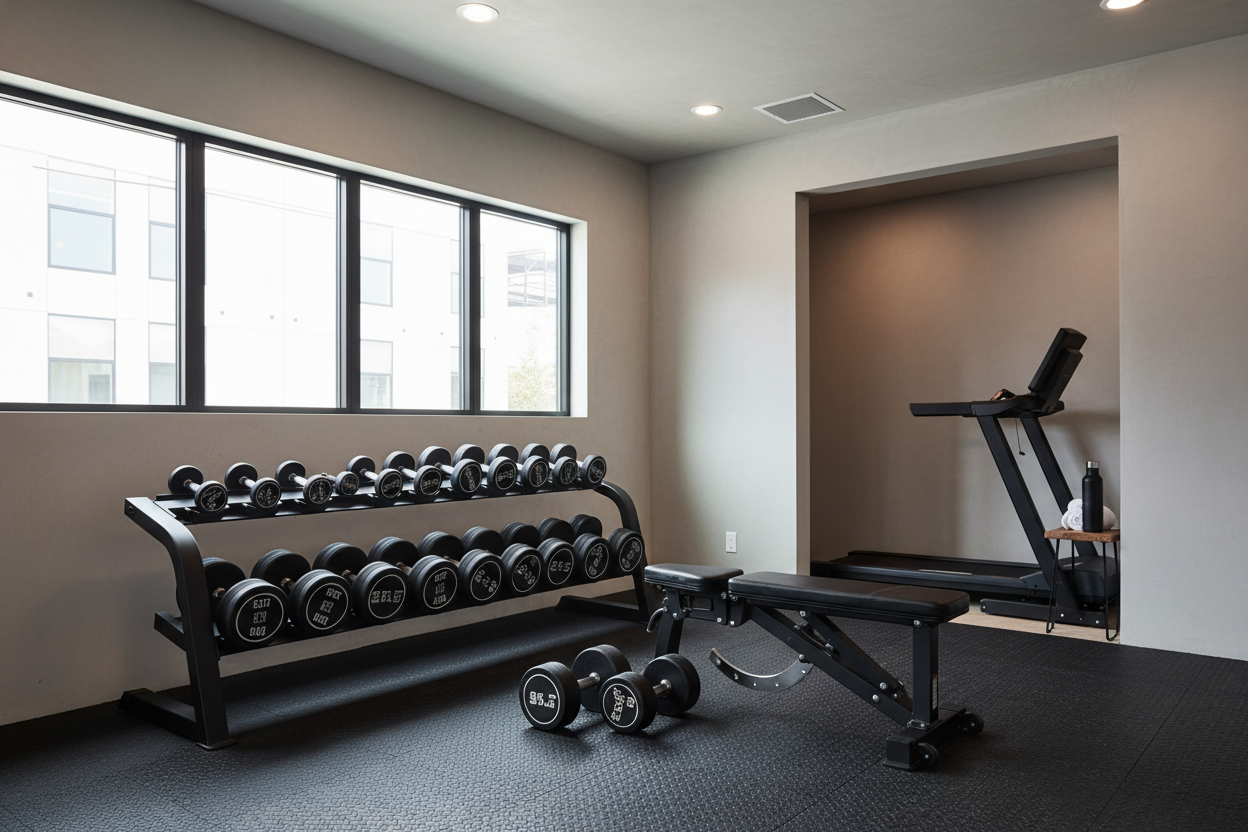
I spent five years convinced that if it wasn't on a 45-pound barbell, it didn't count as strength training. I had the rack, the plates, and a bench press that had been stuck at 275 for longer than I'd like to admit. My left shoulder was constantly cranky, and I just kept adding more volume to a movement pattern that was clearly lopsided.
Then I finally swallowed my pride and bought a pair of power lift dumbbells. Within three months of heavy unilateral work, my bench shot up 15 pounds. Turns out, my right side was doing all the heavy lifting, and my stabilizers were practically non-existent. If you're a barbell purist, you're likely leaving gains on the table because you're afraid to look weak with a pair of 80s.
Quick Takeaways
- Dumbbells fix the 'strong side dominance' that barbells hide.
- Expect to lift about 20% less total weight due to stabilization demands.
- Fixed rubber hex is king for durability, but adjustables save your floor space.
- Heavy rows and presses are the fastest way to break a plateau.
Why Barbell Purists Are Missing Out on Free Gains
Most powerlifters treat dumbbells like an afterthought—something you do for high reps at the end of a workout to get a pump. That's a mistake. When you only use a barbell, your dominant side can easily overcompensate, masking weaknesses that eventually turn into shoulder injuries or stalled PRs. I've seen it a hundred times in my own garage; one shoulder dips lower than the other, and the lifter just tries to 'power through' it.
I see guys spending hours tweaking their arch or buying $200 wrist wraps when the solution is just doing some heavy unilateral work. It's easy to Stop Overcomplicating It: Start With Dumbbells Exercise Equipment and just get to work. Heavy dumbbells force every stabilizer in your shoulder and core to fire, building a foundation that a barbell simply can't match. If you can't stabilize a 100-pound bell, you have no business trying to press 300 on a bar.
What Exactly Qualifies as Power Lift Dumbbells?
We aren't talking about the neoprene-coated weights you find at a big-box retail store. For powerlifting with dumbbells, you need equipment that can handle triple digits and the occasional aggressive drop. A real power lift setup starts where most commercial sets end. You need weight that actually threatens your central nervous system.
When you browse for Dumbbells, look for handles with enough knurling to keep your grip secure when your palms are sweating. You need a weight range that actually challenges you—think 80s, 100s, and beyond. If the heaviest thing in your gym is a 50, you're doing cardio. Look for solid steel or high-density rubber that won't crack when you reach failure on a set of heavy rows and have to bail.
The Brutal Reality of Powerlifting With Dumbbells
The first time I tried to bench 100-pound dumbbells, I almost took my own teeth out. There's a specific skill to getting heavy bells into position. You have to 'kick' them up with your knees, settle your shoulder blades, and find your balance—all before the first rep even starts. It’s exhausting, and it’s a lift in itself that requires core strength most barbell-only lifters lack.
You’ll also realize very quickly that your 'barbell math' doesn't work here. If you bench 315 on a bar, don't expect to grab the 150s and cruise. The stabilization tax is real. Your chest might be strong enough, but if your rotator cuffs are weak, those weights will be shaking like a leaf in a hurricane. That struggle is exactly what builds the 'bulletproof' strength that carries back over to your main lifts. It's humbling, but it's necessary.
Fixed Rubber vs. Adjustables: What Survives Heavy Lifting?
In a home gym, space is the ultimate currency. If you have the room, a full rack of fixed weights is the dream. I personally use the Rubber Hex Dumbbell Set Ds01 because I like being able to drop them between sets of heavy rows without worrying about breaking a pin or a dial. They're built like tanks and the hex shape means they won't roll away while I'm gasping for air between sets. Plus, they fit in a standard 6x8 ft corner if you get a vertical rack.
However, if you're working out in a spare bedroom or a crowded garage, a massive rack isn't happening. That's where something like the Adjustable Dumbbells Ab01 comes in. They give you a massive range of weight in the footprint of two shoeboxes. Just remember: treat adjustables with a bit more respect. You can't toss them off a 4-foot bench like you can with solid rubber without eventually rattling the internal mechanisms loose. They are great for accessory work, but don't treat them like a 45-lb bumper plate.
Three Dumbbell Movements That Will Blow Up Your Big Three
If you want to see your total go up, stop doing 'toning' exercises. First, the Heavy Dumbbell Bench Press. Go as deep as your mobility allows to stretch the pec; it builds incredible bottom-end power for your barbell bench. If you can't control the weight on the way down, it's too heavy. Second, Kroc Rows. Grab the heaviest weight you can hold and rip it for high reps. This builds the upper back thickness needed for a stable shelf during squats.
Finally, Seated Overhead Presses with dumbbells. Unlike the barbell version, these allow your wrists and elbows to move in a more natural path, which is a godsend for lifters with beat-up shoulders. If you can move the 90s for sets of 8, your overhead stability on a heavy jerk or press will be rock solid. These movements aren't flashy, but they fix the gaps in your armor that lead to plateaus.
Personal Experience: The 120-lb Mistake
I once bought a pair of cheap, off-brand loadable handles to save money. I loaded them up to 120 pounds for rows. Halfway through the set, a cheap collar slipped. I ended up with 40 pounds of iron plates crashing onto my toes and a permanent dent in my garage floor. I learned the hard way: when you're moving heavy tonnage, the integrity of the equipment isn't where you want to find a 'bargain.' Buy once, cry once.
FAQ
Can I replace barbell benching entirely with dumbbells?
You can for a block of training, but if you want to compete in powerlifting, you need the specific skill of the barbell. Use dumbbells as your primary accessory to fix the weaknesses the bar creates.
How heavy should I go for powerlifting accessories?
Aim for weights that put you in the 5-10 rep range with 1-2 reps left in the tank. If you're doing 20 reps, you're building endurance, not the raw strength needed for a new PR.
Are rubber hex dumbbells better than chrome?
Yes. Chrome looks cool but chips and gets slippery when you sweat. Rubber hex is quieter, easier on your floors, and the flat edges make them much easier to kick up into a starting position for presses without them rolling off your knees.
Share:
Is 'All-In-One' Full Body Home Workout Equipment Actually a Scam?
I Almost Got Crushed by a Cheap Olympic Squat Rack and Bench