
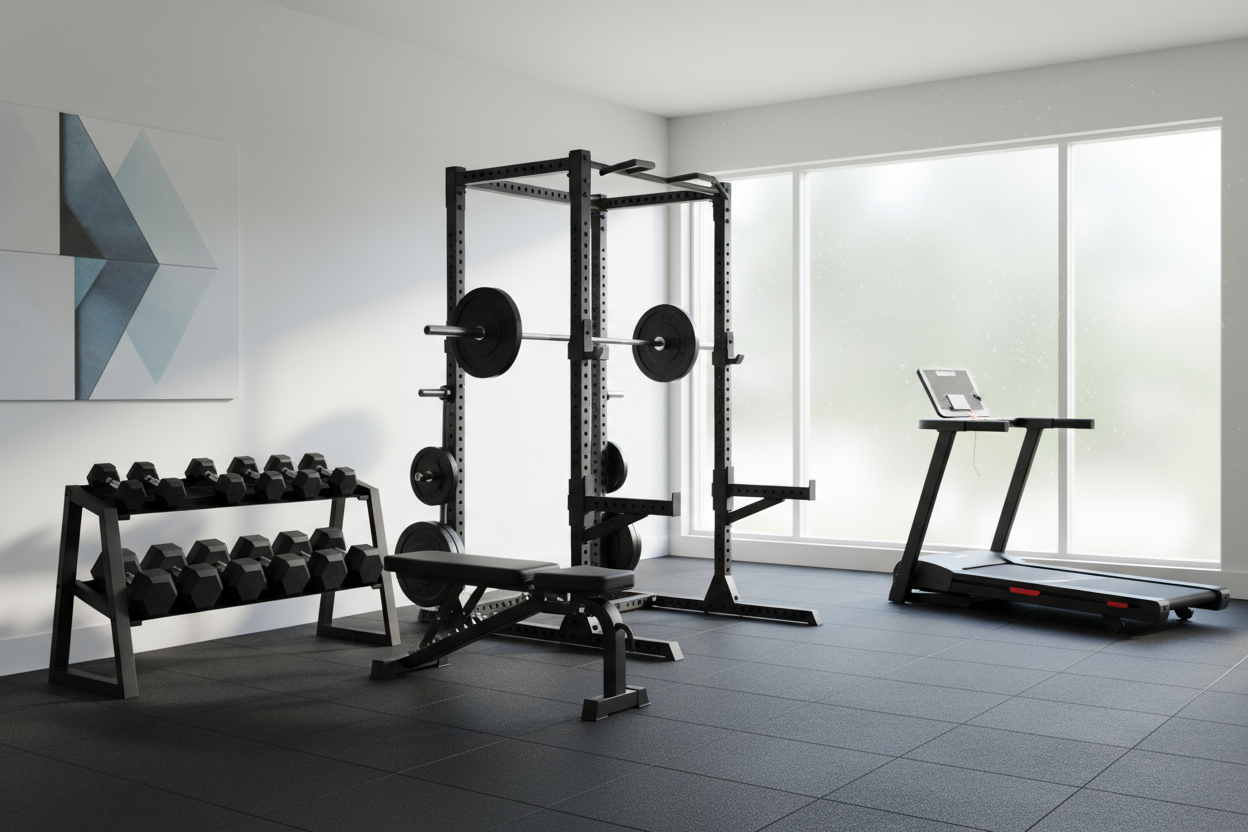
I remember the first time I dropped nearly a grand on a squat rack from a 'premium' manufacturer only to find the welds looked like a bird had a stroke on the steel. It is a gut-punch when you realize that a brand name in home gyms does not always translate to industrial-grade craftsmanship. Most of the time, you are just paying for a specific shade of powder coat and a sticker that makes you feel better about your Saturday morning heavy triples.
Quick Takeaways
- Many at home fitness brands use the same overseas foundries for basic steel items.
- Invest in brands for equipment with moving parts, like pulleys and bearings.
- Cast iron plates and static benches are the best places to go generic.
- Connected fitness screens can become expensive paperweights if a company goes under.
The Dirty Secret About Who Actually Makes Your Gear
Most people think their favorite at home fitness brands have a massive factory in the Midwest humming with American steel workers. The reality? A huge chunk of the industry relies on white-labeling. This is where a factory in China or Taiwan produces a standard 3x3-inch 11-gauge steel rack, and five different companies buy it, slap their logo on the uprights, and call it 'proprietary.'
I have stood in warehouses where 'budget' racks and 'elite' racks were sitting side-by-side, identical down to the millimeter, yet one cost $400 more because of the branding. When you are looking at home gym brand names, you are often paying for the marketing budget and the athlete sponsorships, not a magical grade of iron that does not exist. If it is a static piece of steel, the logo is usually the most expensive part of the product.
When You Should Absolutely Pay for the Logo
Moving parts are where the 'brand tax' actually pays dividends. When you get into cable machines, the difference between a top-tier at home fitness company and a generic knockoff is night and day. We are talking about the difference between fluid movement and a jerky, stuttering mess that ruins your mind-muscle connection.
Precision engineering matters for things like bearing tolerances and cable housing. Investing in a smooth lat pulldown low row station from a reputable brand ensures you are not fighting friction every time you try to isolate your lats. A brand with a real customer service department also means that if a pulley snaps three years from now, you can actually get a replacement part instead of being told to buy a whole new machine.
Where Generic Steel Beats Expensive Stickers
If it does not move, do not overspend on it. Cast iron plates are the biggest racket in the industry. A 45-lb plate from a high-end at home fitness equipment brands list does the exact same thing as a 45-lb plate from a used sporting goods store: it provides resistance against gravity. Unless you are a competitive powerlifter who needs calibrated plates accurate to within 10 grams, generic iron is fine.
The same logic applies to basic flat benches and storage trees. When building a functional home gym, your goal should be utility. I have seen guys spend $300 on a brand-name plate toaster when a $50 generic version holds the iron just as well. Save that extra cash for a high-quality barbell where the knurling actually impacts your grip and performance.
The Screen Trap With High-Tech Fitness Gear
We are currently seeing a graveyard of at home connected fitness equipment brands that promised the world and delivered a brick. When you buy a piece of equipment that requires a 22-inch touchscreen and a $40 monthly subscription to function, you are not just buying hardware; you are entering a marriage. If that company's stock hits zero or they stop supporting the software, your expensive rower or bike loses 90% of its utility.
I always tell people to buy the best 'dumb' version of a machine and then mount a cheap iPad to the wall. This keeps you in control of your content and ensures that your equipment stays functional for decades, not just until the next software update. Home workout companies love recurring revenue, but your garage gym should be a sanctuary from monthly bills, not a source of them.
How to Dodge the Logo Tax and Build Smarter
The smartest way to build is to mix and match. You want a 'Frankenstein' gym. Buy the heavy-duty rack from a brand known for safety and thick steel, but get your plates from the cheapest local source you can find. This allows you to allocate your budget toward the items that actually touch your hands or involve your safety.
One of the biggest mistakes is buying a 'complete' package. I have written before about avoiding overpriced fitness bundles because they always include two or three 'filler' items that you would never buy individually. Instead, try pacing your home gym purchases over a year. Start with a quality bar and a rack, then add the specialty pieces once you know what your training actually requires.
Personal Experience: The $200 Lesson
Early in my lifting career, I bought a fancy, branded adjustable bench because the logo matched my rack. It looked great in photos. Within two months, the 'premium' vinyl started cracking, and the gap between the seat and back pad was so wide it felt like I was falling into a canyon every time I did incline presses. I replaced it with a generic, 'no-name' competition bench that cost half as much and has lasted five years without a single wobble. The logo lied; the steel did not.
FAQ
Is 11-gauge steel really necessary for a home gym?
If you are squatting over 500 lbs or plan on bolting accessories to your rack, yes. For most people, 14-gauge is fine, but 11-gauge provides that 'tank' feeling that prevents the rack from swaying when you re-rack a heavy bar.
Do brand name bars have better knurling?
Usually, yes. Barbell manufacturing is an art. Premium brands use better CNC machining for more consistent, grippy knurling that won't cheese-grate your hands like cheap chrome bars often do.
Are expensive bumper plates worth it?
Only if you are doing Olympic lifts (cleans, snatches) and dropping the bar from overhead. If you are just doing deadlifts on a rubber mat, basic iron or cheap crumb rubber bumpers are more than enough.
Share:
Why Standard Racks Suck: The Best Home Gym for Tall Person
I Tested a Seated Squat Machine to See if It Saves Bad Knees