
I remember standing in a big-box sporting goods store years ago, staring at a stack of those plastic-coated, sand-filled weights. They were cheap, they were 'all-in-one,' and they looked like an easy win for a home setup. I bought them, and within three months, the plastic cracked, sand was leaking into my garage floor, and I had already outgrown the flimsy 1-inch bar. If you are looking for a beginner weight set for teenager lifters, please learn from my wasted cash.
Building a home gym for a teen isn't about buying the most expensive gear on the market, but it is about avoiding the 'toy' equipment that ends up as a clothes rack. You want a setup that is safe, expandable, and actually feels like the equipment they would use at a high school weight room or a local CrossFit box. If the gear feels flimsy, they won't respect the movements, and they definitely won't stick with the habit.
Quick Takeaways
- Skip the 1-inch 'Standard' bars: They bend easily and have zero resale value.
- Invest in Bumper Plates: They protect your concrete floors and allow for safe dropping during failed lifts.
- Prioritize the Bench: A wobbly bench is a safety hazard and a massive mental distraction.
- Think 2-Inch (Olympic): Everything you buy should be compatible with the industry standard 2-inch sleeve.
The 'Teen Starter Kit' Trap (And Why It's Dangerous)
Most parents start their search by typing 'starter weight set' into Amazon and clicking the first $199 bundle they see. These usually consist of a thin, threaded bar and cement plates encased in vinyl. Here is the problem: those bars are often rated for less than 200 pounds. While that sounds like a lot for a 14-year-old, a teenage boy can hit a 200-pound deadlift surprisingly fast. When that bar starts to whip and bend under load, it becomes a literal safety hazard.
Furthermore, those plastic plates are massive. Because cement is less dense than iron or rubber, a 25-pound plastic plate is often twice as thick as a steel one. This limits how much you can actually fit on the bar and forces the lifter into awkward starting positions. Worst of all, the 'standard' 1-inch hole size is a dead end. When your teen gets stronger—and they will—none of those plates will fit on a real barbell. You’ll end up buying everything twice. It is better to buy a smaller amount of high-quality gear than a mountain of plastic junk.
What Actually Makes the Best Weight Set for Teenager Gains?
The core philosophy here is 'future-proofing.' You want to buy equipment that can grow with them from freshman year through college. This means sticking to 2-inch Olympic-sized equipment. It is the global standard for a reason: it’s durable, the bars have internal bearings or bushings for smooth rotation, and the plates are interchangeable with almost any rack or bench on the market. When you pick a weight set for home, you have to look at the utility of the items three years from now, not just three days from now.
Safety is the other half of the equation. Teenagers are still developing their motor skills and coordination. They are going to drop things. They are going to have 'ugly' reps. You need equipment that can handle a bit of abuse without breaking or, more importantly, without causing an injury because a collar slipped or a bench tipped over.
The Barbell: Go Standard Olympic Sized or Don't Bother
The barbell is the most important piece of the puzzle. For a best weight set for teenager athletes, skip the 15lb 'technique' bars unless they are under 100lbs bodyweight. Go straight for a standard 20kg (45lb) Olympic bar. Look for a bar with a 28mm to 28.5mm diameter—this is the sweet spot for smaller hands to get a secure grip. A good bar will have a decent 'knurl' (the sandpaper-like texture) that helps them hold on without tearing up their palms. Avoid the chrome-plated bars that feel like a slippery pole; look for zinc or phosphate finishes instead.
The Plates: Why Bumper Plates Prevent Garage Floor Disasters
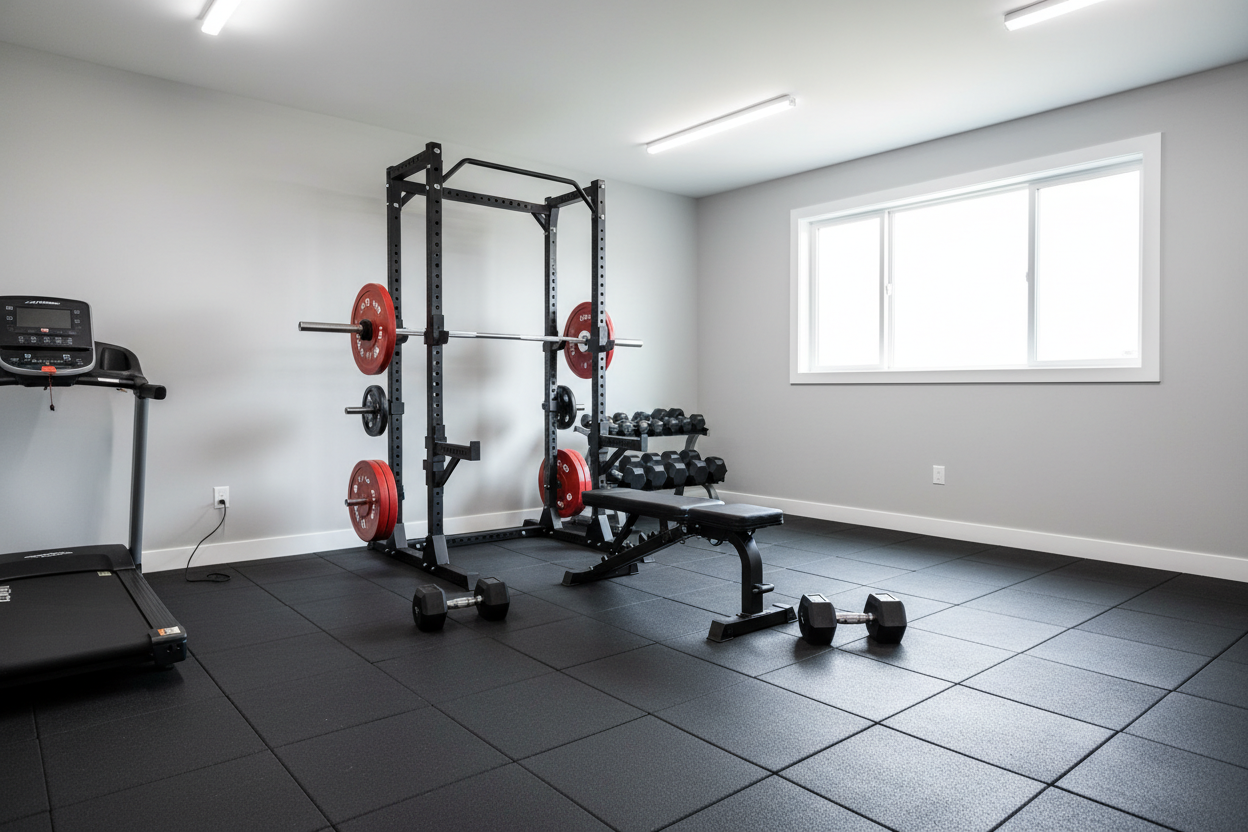
If you have a garage, you need bumper plates. These are solid rubber plates that are all the same diameter, regardless of weight. Why does this matter? Because when a teen finishes a set of deadlifts, they tend to drop the bar. Iron plates will crack your concrete and make a deafening noise that will annoy the neighbors. Bumpers bounce. They also ensure the bar starts at the correct height off the ground (about 8.75 inches), which is critical for learning proper form and protecting the lower back.
Stop Skimping on the Bench (Seriously)
I have seen parents spend $600 on a rack and then buy a $40 bench that looks like it was made from recycled soda cans. This is a massive mistake. When a teenager is lying on their back with 100+ pounds over their chest, the last thing you want is a wobbly frame or a pin that might pop out. A cheap bench has a narrow base that can tip if the lifter isn't perfectly centered. It also usually has thin, 'mushy' foam that offers zero support for the shoulder blades.
I always recommend a solid adjustable weight bench with at least a 600-lb weight capacity. Why adjustable? Because it allows for incline presses and seated overhead work, which are staples for building shoulder and upper chest strength. Look for a bench with a wide rear stabilizer and a high-density foam pad. If you can shake the bench with one hand and it rattles, don't let your kid lie on it.
Putting Together a Starter Weight Set for Teenager Lifters
You don't need a 300-lb set on day one. In fact, you're better off avoiding those massive pre-packaged kits because you're often paying for useless filler like tiny 2.5lb plates you'll never use. Here is the 'Pro' shopping list for a starter weight set for teenager lifters:
- The Bar: 20kg Olympic Barbell (7ft).
- The Plates (160lb set): 2x45lb, 2x25lb, 2x10lb bumpers. This is enough to get almost any beginner through their first year of linear progression.
- The Bench: Heavy-duty adjustable bench.
- The Collars: A pair of nylon 'lock-jaw' style collars. Never use the spring clips; they are a pain to get on and off, which means the teen eventually stops using them.
This setup takes up a 7x8 foot footprint and provides everything needed for the 'Big Three' lifts (Squat, Bench, Deadlift) plus overhead presses and rows. It is professional-grade gear that will still be in your garage when they graduate high school.
Ground Rules for Their New Garage Gym Setup
Equipment is only half the battle; the other half is the environment. First, get some 3/4-inch stall mats. Don't buy the 'puzzle piece' foam mats from the toy aisle—they are too soft and will compress under weight, making the lifter unstable. Real rubber mats provide a firm, safe surface.
Second, enforce the 'Collar Rule.' No matter how light the weight is, the collars must be on the bar. Plates sliding off one side of a bar causes an immediate, violent tilt that has caused more gym injuries than I can count. Finally, teach them how to 'bail.' If they are squatting and can't get back up, they need to know how to let the bar fall off their back safely. With bumper plates and a clear floor, this is a safe, controlled movement rather than a catastrophe.
My Honest Take
I once tried to save $100 by buying a 'no-name' bench from a liquidator. It felt fine for a month. Then, while I was doing a set of heavy dumbbell presses, I felt the back support notch slip one gear. I didn't fall, but my heart skipped a beat. I never trusted that bench again, and my training suffered because I was constantly worried about the gear failing instead of focusing on the lift. Don't do that to your kid. Give them gear that feels solid, and they will give you the effort in return.
FAQ
Is 160 lbs of weight enough for a teenager?
For a total beginner, yes. It allows for a 45lb bar plus two 45lb plates and two 10lb plates. Most teens will take 6-12 months of consistent training to outgrow a 205lb total (bar + plates). When they do, you just buy another pair of 45s.
Can I just use dumbbells instead?
Dumbbells are great, but they are expensive to scale. A full set of dumbbells is much pricier than a single barbell and a few plates. For a beginner weight set for teenager use, the barbell is the most cost-effective way to build raw strength.
Should I buy a squat rack too?
Eventually, yes. For the first few months, they can do floor presses, deadlifts, and rows without one. But once they start squatting more than they can 'clean' up to their shoulders, a basic squat stand or power rack becomes a necessity for safety.
Share:
The Best Full Body Workout Machines Aren't Made of Cheap Plastic
I Snapped a Cheap 80lb Weight, Then Finally Bought Commercial Dumbbells