
I remember staring at a $400 box at a big-box store thinking I had found the holy grail of home gym deals. It was a massive weight and dumbbell set that promised 'over 100 lbs of iron.' I got it home, unboxed it, and realized half the 'pieces' were plastic collars and tiny plates I would never touch.
Most retail bundles are designed to look good on a shelf, not to be used in a garage. They focus on 'piece counts' instead of usable weight. After years of testing everything from cheap cement-filled plastic to high-end urethane, I have learned that building a setup piece-by-piece is always better than buying a pre-packaged disaster.
- Avoid bundles that count collars and 1lb plates as 'pieces' to inflate value.
- Fixed rubber hex dumbbells are the gold standard for heavy, high-impact lifting.
- Adjustable systems save space but can be fragile if you like to drop weights.
- Standard 5lb jumps are essential; avoid weird retail increments like 2lb or 3lb jumps.
The Illusion of the 'All-in-One' Box
Marketing departments love a high piece count. They sell you a weight set with dumbbells that includes a small dumbbell set consisting of 1lb, 2lb, and 3lb neon-colored weights. Unless you are in active physical therapy, those are basically paperweights. They take up space and add 'value' to the box without adding any real utility to your training.
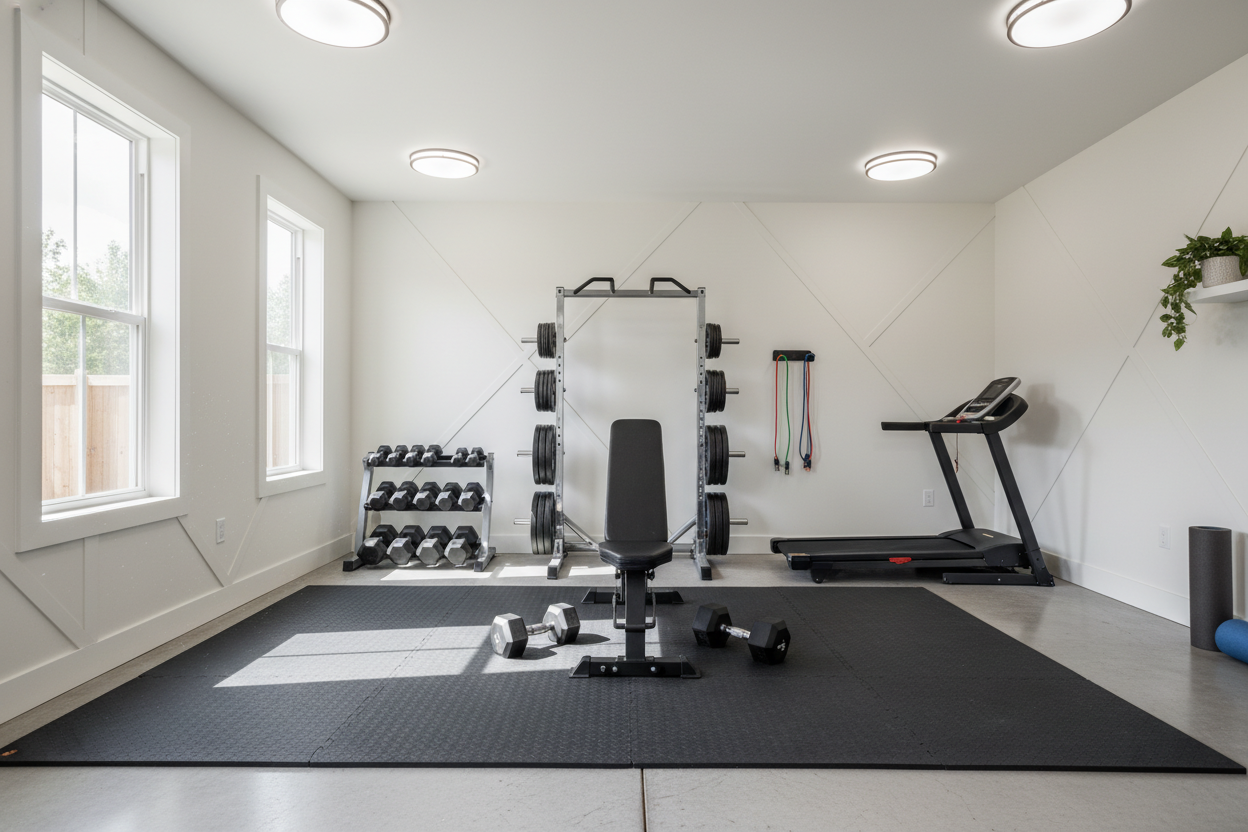
The goal is to maximize your floor space. A massive rack of light weights is the fastest way to clutter a 10x10 room. I highly recommend skipping the massive 10-piece racks in favor of a few pairs of heavy hitters. You do not need a dozen pairs of weights to get a good workout; you need three or four pairs that actually challenge your central nervous system.
The Brutal Math of Proper Increments
Progressive overload is the only way to get stronger, but retail sets make the math impossible. I have seen a 10 12 15 dumbbell set at various retailers that makes zero sense for long-term growth. You cannot effectively jump from 12 to 15 lbs on a lateral raise without your form falling apart. The percentage jump is just too high.
This is where a 1 dumbbell set—specifically a pair of compact adjustable dial systems—becomes a lifesaver. These allow you to make 2.5lb or 5lb jumps in a footprint that doesn't eat your entire floor. If you are doing accessory work like curls or extensions, those micro-jumps are the difference between a plateau and a PR. For a dumbbell training set, precision beats quantity every single time.
My Blueprint for a Bulletproof Hybrid Setup
My current setup is a hybrid, and it is the most efficient way to train. I use a barbell for the heavy compound lifts and a dedicated dumbbell free weight set for my accessories. I keep fixed rubber hex weights for the 25 to 50 lb range because those are the ones I am most likely to drop or use for high-rep metabolic work.
I suggest buying a solid dumbbell free weight set for your 'daily drivers'—the weights you use for 80% of your lifts. For anything over 60 lbs, the cost-per-pound gets insane and the storage becomes a nightmare. At that point, I usually stop forcing dumbbell lifts and move to cables or landmine attachments to get the same stimulus without the $500 price tag for a single pair of heavy bells.
Where to Actually Spend Your Iron Budget
When you finally outgrow your starter weights and need to know where to buy heavy dumbbells, look for local liquidators or specific online outlets that offer flat-rate shipping. Shipping 100lb dumbbells is a logistical nightmare that can double your cost if you aren't careful. Searching for a dumbbells weight set for sale on local marketplaces often yields better results for heavy iron than buying new.
If you want something that lasts forever, look into unique dumbbells like loadable Olympic handles. They aren't as 'clean' looking, but they allow you to use the plates you already own. Before you pull the trigger on a cheap retail box, spend some time browsing for a dumbbell training set that you can grow into. Buy the weight you need for next month, not the weight you can already lift today.
My Biggest Gear Mistake
I once bought a 300lb 'bargain' Olympic set from a local sports store. The bar was so thick I couldn't get a proper grip for deadlifts, and the plates were significantly underweight—one '45lb' plate actually weighed 41.2 lbs. I ended up spending more money replacing the bar and plates than if I had just bought a quality set from the start. Precision matters. If your 25lb weights don't actually weigh 25 lbs, your training data is useless.
Frequently Asked Questions
Should I buy hex or round dumbbells?
Get hex. They don't roll away when you set them down between sets, and they are much more stable for floor-based movements like renegade rows or push-ups on the handles.
Are adjustable dumbbells worth the money?
Yes, for weights under 50 lbs. They save an incredible amount of space. However, if you plan on dropping your weights from overhead, stick to fixed rubber hex options.
What is the best weight to start with?
For most lifters, a pair of 15s and a pair of 25s will cover almost every accessory movement. From there, add a pair of 40s or 50s once your pressing strength catches up.
Share:
Why the Best Home Gym Machines Aren't What the Influencers Push
Why Your Compact In Home Gym Feels Like a Cheap Plastic Toy