
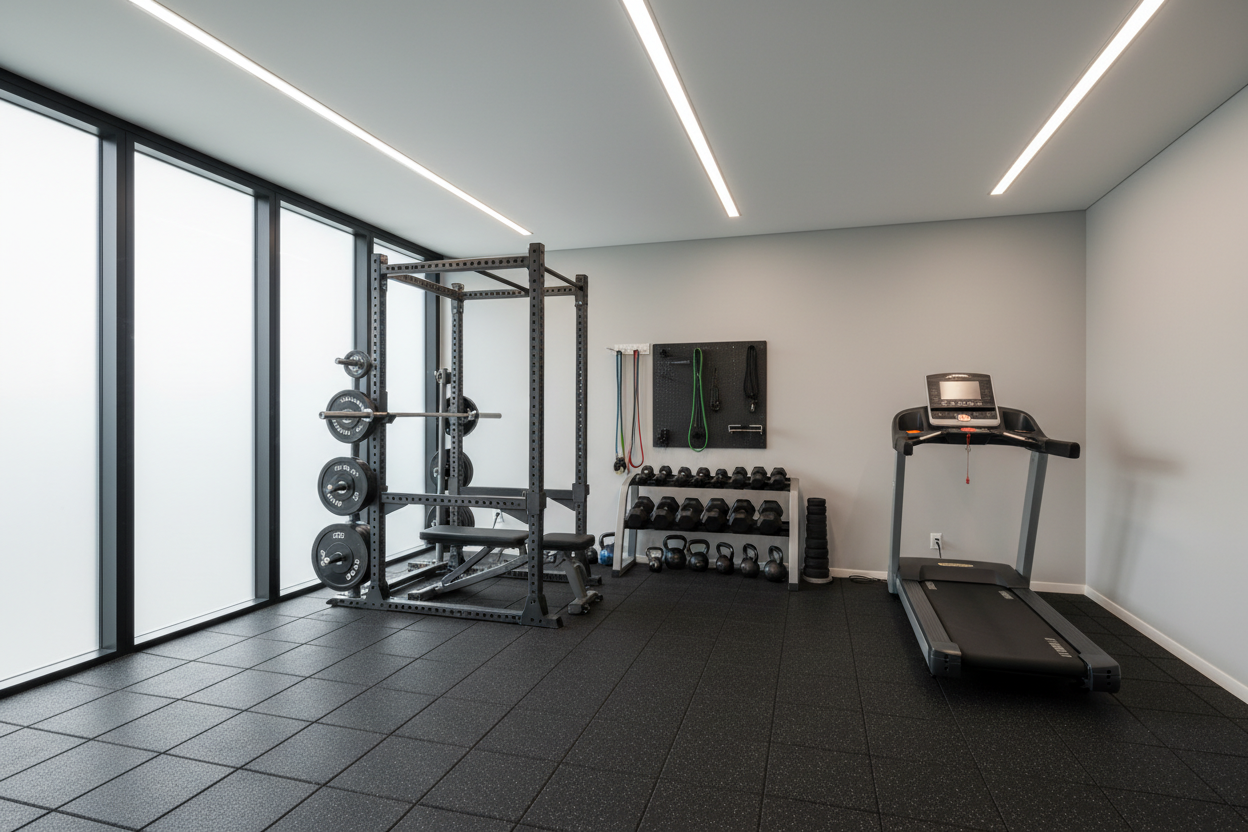
I remember the day my 'heavy-duty' budget rack swayed during a 225-lb squat. It felt like a wet noodle. That was the moment I realized that real gymnasium equipment isn't just a luxury—it's a safety requirement for anyone planning to lift real weight at home. But trying to buy the good stuff isn't as simple as clicking 'Add to Cart' on a website.
Most people get sticker shock when they see the MSRP on a commercial-grade leg press or a 3x3 power rack. What they don't realize is that the fitness industry is built on a murky network of middlemen. If you're tired of gear that rattles every time you re-rack a bar, you need to stop shopping like a consumer and start sourcing like a pro.
Quick Takeaways
- MSRP is a placeholder; real prices are negotiated through reps.
- 11-gauge steel and 1-inch hardware are the minimum specs for commercial durability.
- Freight shipping can cost as much as the equipment if you don't negotiate terminal pickups.
- 'Refurbished' is a loose term that often just means a fresh coat of spray paint.
The Commercial Gear Mirage (And Why Retail Prices Are a Joke)
When you browse a major manufacturer's website and see a functional trainer listed for $5,000, you're looking at a 'protection price.' Manufacturers set these high to avoid undercutting their own network of dealers. If you pay that price, you're essentially paying a convenience tax for being an uninformed retail buyer.
True commercial gear is built to survive 18 hours of daily abuse in a Gold's Gym. We're talking about frames made from 11-gauge steel that won't flex when you're pulling 500 lbs. Consumer-grade stuff often uses 14-gauge or thinner, which is fine for a clothes rack but sketchy for a squat stand. The gap in quality is massive, but the gap in price doesn't have to be if you know how to bypass the retail storefront.
How Exercise Equipment Dealers Actually Work
The world of exercise equipment dealers is divided into territories. If you live in a specific region, one company likely has the exclusive rights to sell certain brands there. These guys aren't used to dealing with one-off home gym owners; they make their real money selling 20-piece circuits to high schools and hotel gyms.
Because their business model relies on volume, single items are a nuisance to them. This is why you see 'Call for Quote' buttons instead of prices. They are sizing you up to see if you're worth the paperwork. To get a fair shake, you have to approach them with a specific list of specs—don't just say you want 'a treadmill.' Tell them you want a unit with a 4.0 HP continuous duty motor and a 22-inch belt width. It shows them you aren't a tire-kicker.
Spotting the Shady Gymnasium Equipment Dealers
Not all gymnasium equipment dealers are created equal. Some are little more than guys with a warehouse and a pressure washer. A common red flag is 'phantom inventory.' They'll list a Hammer Strength ISO-Lateral Row as 'In Stock,' but once you pay, they admit they're actually sourcing it from a gym closure three states away that hasn't even happened yet.
Another trap is the 'bait-and-switch' on shipping. They’ll give you a low equipment price but then hit you with a $600 residential delivery fee with a liftgate charge. Always ask for a 'delivered price' upfront. Also, be wary of 'refurbished' claims. If the upholstery looks brand new but the weight stack guide rods are pitted with rust, they just did a 'slap-and-track' job. Real refurbishment involves replacing bearings, cables, and belts, not just wiping it down with WD-40.
Should You Just Hunt for Used Gear Instead?
Scouring Facebook Marketplace is a full-time job. You might find a steal, but you're also responsible for moving a 400-lb piece of iron out of someone's basement. Sometimes used commercial exercise equipment is worth the garage space if you're buying from a reputable liquidator who has already done the heavy lifting and inspection for you.
The risk with buying sight-unseen from a closing facility is the hidden wear. Commercial cardio, in particular, can have 20,000 miles on the motor. Strength pieces are safer, but you still need to check for cracked welds and bent frames. If you can't inspect it in person, you're better off paying a 20% premium to a dealer who offers a 90-day parts warranty.
My Blueprint for Sourcing Heavy-Duty Gear (Without Getting Ignored)
If you want a dealer to take you seriously, send a professional, concise email. Mention that you are a 'private facility owner'—which is technically true, even if that facility is your garage. Ask specifically for 'B-stock' or floor models. These are units that were used at trade shows or have minor cosmetic scratches from shipping. They function perfectly but can be discounted by 30-40%.
When it comes to cardio, like a sturdy exercise bike, I almost always recommend buying B-stock or new. Unlike a rack, bikes have complex electronics and drive systems that fail. For shipping, ask the rep if you can pick it up at the local freight terminal. If you have a pickup truck, this move alone can save you $150 in residential delivery fees. Don't be afraid to walk away if they won't budge on the 'doc fees'—iron is heavy, but there's always someone else trying to move it.
Personal Experience: The 'Refurbished' Nightmare
I once bought a 'professionally refurbished' leg press from a dealer across the country. On paper, it was a steal. When it arrived, the carriage didn't slide smoothly because the linear bearings were shot. The dealer had just greased them up to hide the grinding sound. I ended up spending $200 on parts and four hours on a Saturday rebuilding it myself. Lesson learned: if you can't see the carriage move, don't buy the machine.
Frequently Asked Questions
Is 11-gauge steel really necessary for a home gym?
If you're just doing light fitness, no. But if you plan on dropping heavy bars or using attachments like dip bars and lever arms, 11-gauge 3x3 steel provides the stability and safety that 14-gauge simply can't match.
How do I get a dealer to actually call me back?
Be specific. Instead of asking 'how much is a rack,' ask for a quote on a specific SKU with shipping to your zip code. Use professional language and show that you're ready to pull the trigger if the price is right.
Why is freight shipping so expensive?
You're paying for a 53-foot semi-truck to navigate residential streets, plus a liftgate service to get a 500-lb crate to the ground. Shipping to a business address or a freight terminal is always cheaper.
Share:
Let's Be Honest About the Pros and Cons of Smith Machine Lifts
Building a Home Gym? Buy These 3 Things First (And Skip the Rest)