
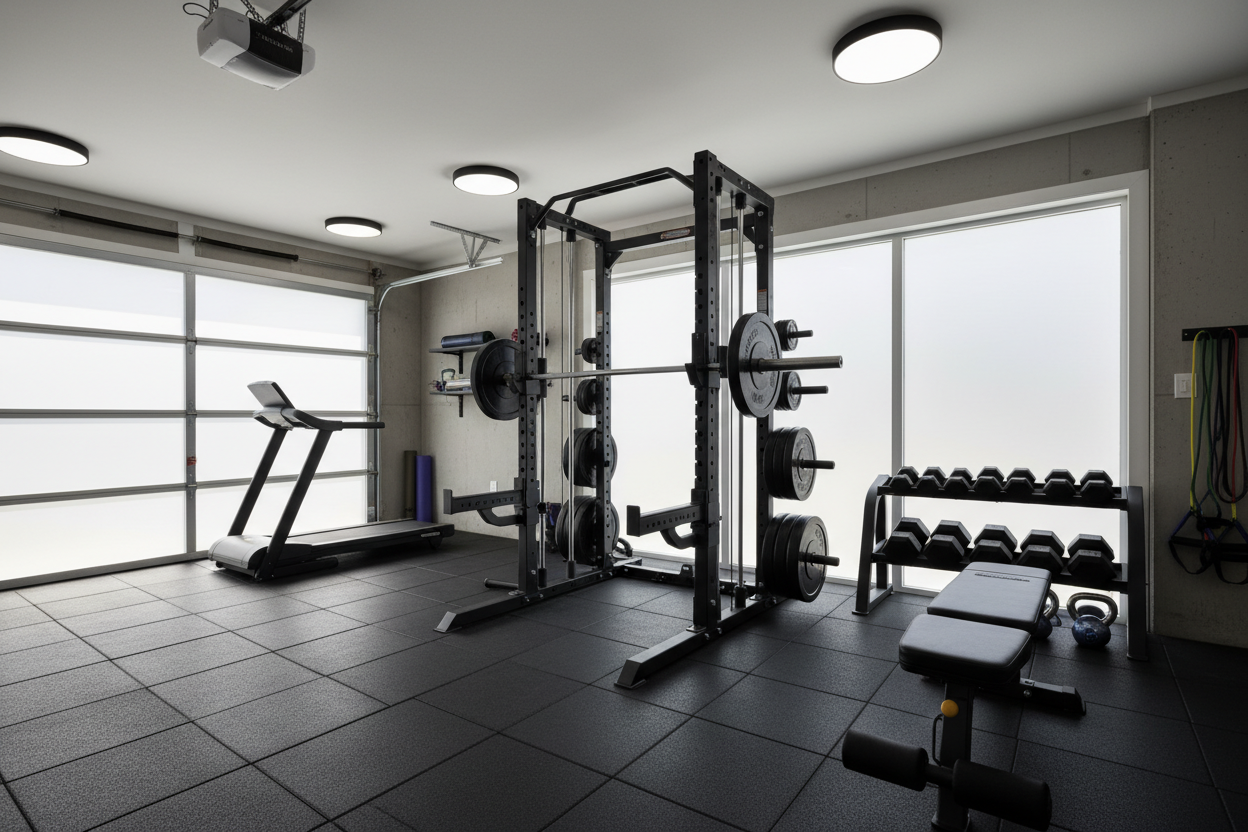
I used to be that guy. You know the one—the barbell snob who would walk past the guided rack with a smirk, thinking if the weight wasn't 'free,' it didn't count. Then I started training alone in a 200-square-foot garage with no one to catch a failed rep at 9 PM, and my perspective shifted faster than a 45-pound plate sliding off an unclipped sleeve. Understanding the pros and cons of smith machine training isn't about choosing sides; it's about knowing which tool actually gets the job done when you're the only one in the room.
Quick Takeaways
- Self-spotting catches make it the safest option for solo lifters pushing to failure.
- The fixed path allows for insane muscle isolation by removing the need to balance the load.
- A rigid vertical track can put unnatural shear force on joints if your foot placement is off.
- You'll likely lose some 'stabilizer' strength compared to a traditional barbell.
Why Everyone Has an Opinion on the Fixed Track
The fitness world loves a good gatekeeping session. For years, the Smith machine has been the poster child for 'fake' strength. The argument is always the same: it’s a crutch. But let's get real. Unless you're competing in a sanctioned powerlifting meet tomorrow, your body doesn't care if the bar is on a track or in the air—it only cares about mechanical tension.
Setting aside the ego is the hardest part of adding this to your gym. Once you stop worrying about looking 'hardcore,' you realize that a guided bar solves a lot of problems that a standard power rack creates. It’s not about replacing the barbell; it’s about using a specialized tool for a specific stimulus.
The Pros: Where the Track Actually Shines
There are things a Smith machine does that a barbell simply can't match. When you aren't fighting to keep the bar from drifting forward or backward, you can put 100% of your mental energy into the muscle you're trying to kill. It turns a compound movement into something much closer to a surgical strike.
Built-In Spotters for Solo Garage Gym Lifters
If you train in a garage, your biggest fear is the 'roll of shame' or, worse, getting pinned during a heavy bench set. When shopping for a smith machine, the safety factor is usually the number one selling point. With a flick of the wrist, you can lock the bar into a hook at almost any point in the movement.
I’ve personally taken sets of close-grip bench to absolute mechanical failure—the kind where your arms just stop moving—and stayed completely safe. You can't do that with a barbell unless you have high-end flip-down safeties and a lot of luck. The 1-inch or 2-inch lockout increments on most modern tracks give you a level of confidence that leads to better gains because you aren't holding back.
Maximum Muscle Isolation (Zero Balance Required)
Removing the balance requirement is a massive win for hypertrophy. Take the Bulgarian split squat, for example. On a free bar, 40% of your energy is spent just trying not to fall over. On a full body multi-training station, you can lean into the movement, adjust your foot position way out in front, and hammer your quads or glutes without a single wobble.
This is also why bodybuilders love it for incline presses. You can focus entirely on the squeeze at the top rather than stabilizing the bar against your shaky shoulders. It’s a pure output machine.
The Cons: Why Barbell Purists Still Hate It
The smith machine pros and cons aren't all sunshine and PRs. There is a legitimate reason why the 'functional' crowd hates this piece of gear. When you lock a human body into a perfectly straight line, things can get weird for your joints.
The Fixed Path Can Feel Unnatural on Your Joints
A natural barbell squat isn't a straight line; it’s a slight S-curve. When the machine forces you into a strictly vertical path, your knees or lower back have to compensate for that lack of arc. If you don't know exactly where to place your feet, you're going to feel a 'tweak' sooner or later.
This is why some people prefer a smith machine that moves forward and back alongside the vertical travel. If you're stuck on a 2D track, you have to be meticulous about your setup. One inch too far forward or back and you're putting 300 lbs of pressure right on your patellar tendon or your L5-S1.
You Are Neglecting Your Stabilizer Muscles
The machine is doing the balancing for you. That means your rotator cuffs, your obliques, and those tiny muscles in your hips are essentially taking a nap. If you only ever lift on a Smith machine, you might find yourself surprisingly weak the moment you pick up a real barbell. Your 'prime movers' are strong, but your 'support system' is non-existent. For athletes, this is a major drawback.
Should You Actually Sacrifice the Floor Space?
A Smith machine usually has a footprint of about 4x4 or 4x6 feet. In a tight garage, that’s a lot of real estate. If you’re a pure powerlifter, it’s probably a waste. But for 90% of home lifters who want to look better and stay safe while training alone, the utility is hard to beat.
The smart move is looking at all-in-one smith machine setups. If the unit also includes a cable crossover and a pull-up bar, the floor space sacrifice suddenly makes sense. You get the safety of the track for your heavy compounds and the versatility of cables for everything else.
Personal Experience: My 'Walk of Shame' Moment
About three years ago, I tried to hit a PR on a flat bench in my basement. No spotter, no safeties—just me and my ego. I got stuck at the midpoint, and I had to do the 'roll of shame' across my ribs and pelvis. It hurt like hell and left me with bruises for two weeks. That was the day I stopped mocking the Smith machine. Now, I use the track for my high-volume accessory work and save the free barbell for the heavy, low-rep sets where I know I have gas in the tank. It’s about training smart, not just training 'hard.'
FAQ
Is the Smith machine bar lighter than a standard barbell?
Usually, yes. While a standard Olympic bar is 45 lbs (20kg), Smith machine bars often weigh between 15 and 25 lbs because they are counterbalanced or made with lighter internal rods. Always check the sticker on the machine frame for the starting weight.
Can you build as much muscle on a Smith machine?
Absolutely. Hypertrophy is driven by tension and volume. Since the Smith machine allows you to push closer to failure without a spotter, many people actually find they grow faster using it for certain movements like hack squats or overhead presses.
Why does my back hurt when squatting on it?
It’s likely your foot placement. Since the bar moves straight up and down, you can't squat like you do with a free bar. Try moving your feet 3-6 inches forward of the bar. This allows you to sit back into the movement and keeps your spine more vertical, reducing the shear force on your lower back.
Share:
I Built a Gym Around a Body Solid Smith Machine With Lat Pulldown
The Ugly Truth About Buying Real Gymnasium Equipment