
I remember scrolling through Amazon at 2 AM, squinting at blurry photos of power racks and trying to figure out if a $300 'all-in-one' station would actually survive a 225-lb squat. Most of what you see online is absolute junk designed by people who have never calloused their hands. Finding the at home gyms best suited for your specific space isn't about following a five-star rating; it's about knowing what you won't end up using as a laundry rack three months from now.
- Stop buying plastic pulleys; they will snap or drag within six months.
- Measure your ceiling height before you even look at a pull-up bar.
- Prioritize 11-gauge steel if you plan on lifting over 300 lbs.
- A bad cable ratio will make a 200-lb stack feel like 50 lbs.
Why 'Top 10' Lists Are Lying to You
Most 'best of' lists are written by affiliate marketers who have never stepped foot in a garage gym. They recommend whatever has the highest commission. The reality is that The 'Best At Home Gym' Doesn't Exist as a universal product because your biomechanics and goals are unique. A listicle doesn't care if you have a 7-foot basement ceiling or if you're a 250-lb powerlifter who will make a flimsy rack shake like a leaf.
Generic recommendations fail because they don't account for the 'buy once, cry once' philosophy. If you buy a cheap setup now, you'll just spend more money replacing it when you realize the knurling on the bar is non-existent and the bench wobbles every time you press.
First, Figure Out Your Lifting Personality
Before you drop three grand, you need to be honest about how you actually train. Are you chasing a 500-lb deadlift, or are you trying to get a pump before work? Your equipment needs to match your intensity.
I've seen guys buy full commercial-grade machines only to realize they hate isolation work and just want to throw around heavy iron. Likewise, I've seen 'purists' buy a bare-bones rack and then complain they can't do cable crossovers. Pick a lane before you buy the gear.
The Free Weight Purist Route
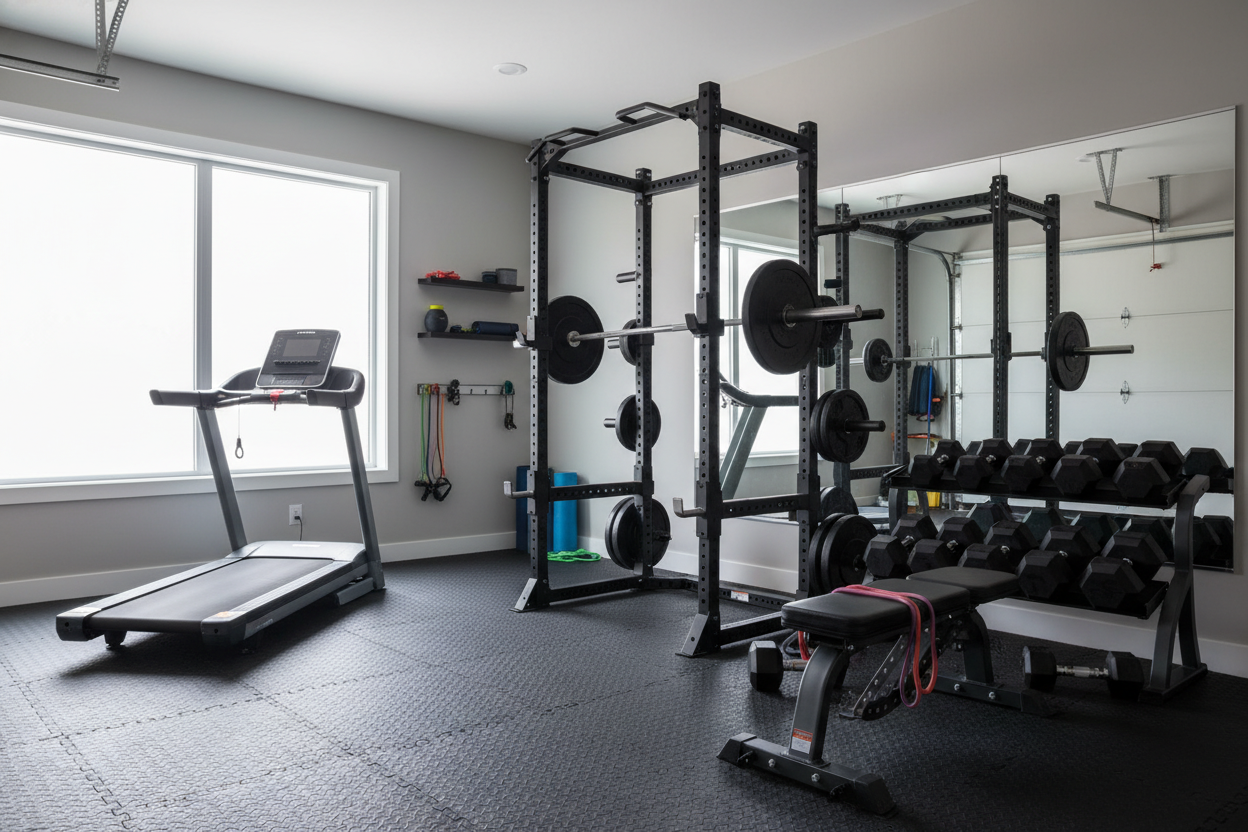
If you're a powerlifter or a devotee of the big three (squat, bench, deadlift), your search for the best home free weight gym begins and ends with a solid rack. You don't need a dozen attachments. You need a 3x3-inch steel frame and a barbell that won't permanently bend the first time you drop it.
Avoid those plastic-coated multi-stations. They occupy a massive footprint but offer zero stability for heavy compounds. To build a complete home gym that lasts a lifetime, invest in a rack with 1-inch or 5/8-inch holes so you can add high-quality accessories later as your training evolves.
The Isolation and Hypertrophy Approach
If your goal is purely aesthetic, you're likely hunting for the best in home weight machine. In this category, the cable system is everything. Look at the pulley wheels—aluminum is always superior to nylon, which tends to fray and create friction over time.
Check the weight stack materials too. Cast iron stacks are louder but consistent. More importantly, look at the cable ratio. A 2:1 ratio means 100 lbs feels like 50 lbs but gives you more cable travel for functional movements. A 1:1 ratio is what you want for heavy rows and lat pulldowns where you need every ounce of that stack.
The Universal Gym Reality Check
The dream of the best home universal gym is often a nightmare of bad engineering. Most 'all-in-one' units try to do twenty things and do none of them well. You'll find yourself bottoming out on the lat pulldown because the frame is too short, or the leg extension will feel like it was designed for a toddler.
If you want versatility without the wobble, a heavy-duty Smith machine home gym station is a much safer bet. These units provide the guided path of a machine but usually include integrated cable systems and plate storage that actually stays anchored to the ground when you're moving heavy weight.
The Tape Measure Test: Answering the Big Question
The most common mistake I see isn't buying bad gear—it's buying gear that doesn't fit. Determining which home gym is the best for you starts with a tape measure, not a budget. You need to account for 'working space.' A rack might be 4 feet wide, but you need 7 feet of clearance to actually load an Olympic barbell.
Check your floor slope too. Most garage floors are slanted for drainage. If you don't shim your rack or use stall mats to level the playing field, your squats will be uneven, and your joints will pay for it. Don't forget the 'overhead press test'—measure your reach while holding a plate to ensure you won't smash your ceiling tiles.
My 3-Step Blueprint to Buying Without Regret
I once bought a cheap adjustable bench that literally collapsed under me while I was holding 80-lb dumbbells. It was a $150 mistake that almost cost me a shoulder surgery. Don't be that guy. Start with one high-quality piece—usually a rack or a functional trainer—and live with it for a month.
Identify your actual training gaps before buying more. Often, the lifting weight equipment you actually need at home is far less than what the influencers are shilling. Build slow, buy heavy, and prioritize steel over shiny plastic.
FAQ
Is a 14-gauge steel rack safe?
For light fitness and high-rep work, it's fine. But if you're planning on squatting over 300 lbs regularly, stick to 11-gauge. The peace of mind when you miss a lift and hit the safeties is worth the extra cost.
Can I put a home gym on the second floor?
Maybe, but be careful. Deadlifting 400 lbs on a second-story floor creates massive 'live load' forces. If you're in a modern apartment or house, stick to machines or use heavy-duty crash pads to distribute the weight.
Are adjustable dumbbells better than a full rack?
They save space, but they're fragile. If you drop a high-end adjustable dumbbell, the internal mechanism can shatter. If you have the room, hex dumbbells are always the more durable choice.
Share:
Stop Paying Premium Prices for Custom Home Gym Equipment
I Put Elite Fitness Equipment in My Garage (Was It Overkill?)