
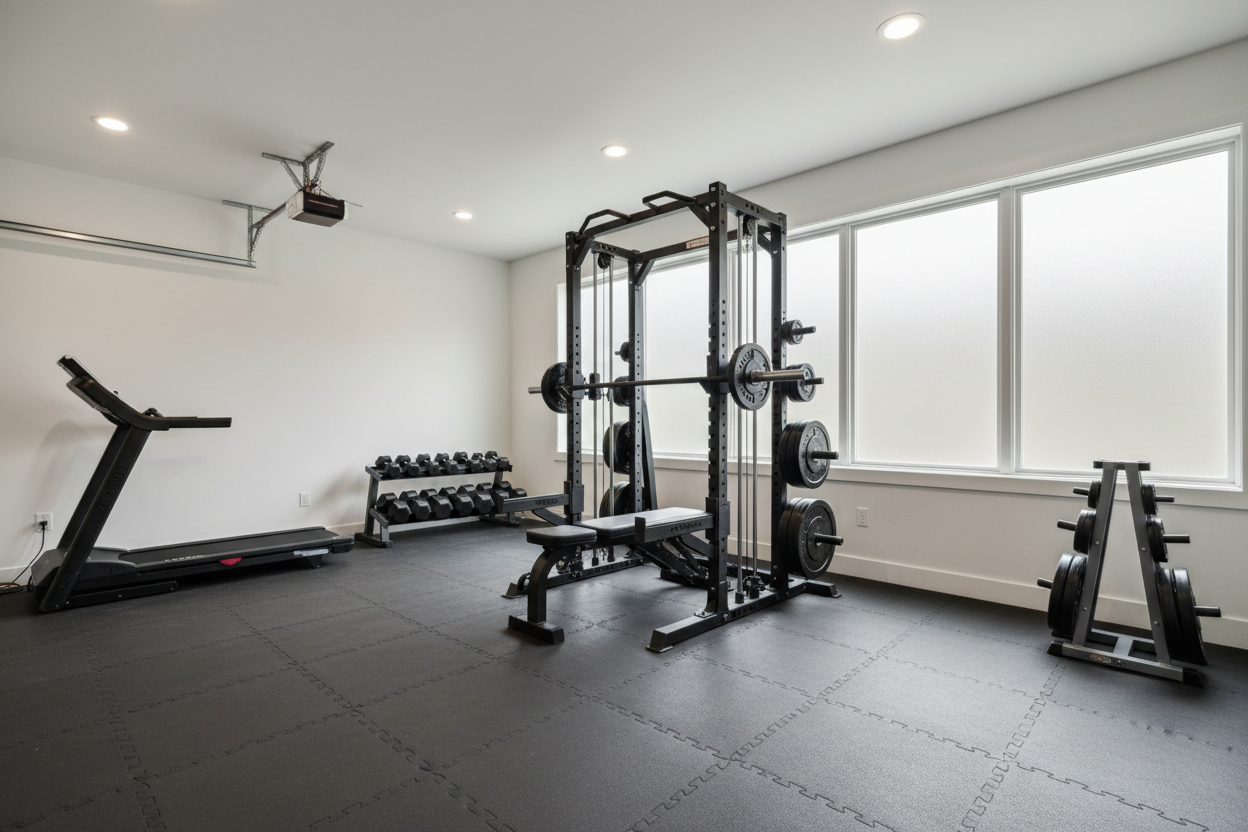
I spent a decade as a barbell purist. If a lift wasn't performed with a 'real' barbell, I didn't want it in my garage. But after years of my lower back giving out before my lats even got warm, I had to swallow my pride and admit that a back workout on smith machine isn't just for people who don't know how to lift—it's for people who want to grow.
There is nothing more frustrating than finishing a set of heavy rows and feeling it in your spinal erectors instead of your wings. If you're tired of your lumbar spine being the limiting factor in your pull day, it's time to stop worrying about what the 'hardcore' crowd thinks and start using the tools that actually work. I personally made the switch for my accessory work last year, and my back thickness has never been better.
- Isolate the lats: The fixed track means zero energy is wasted on horizontal stabilization.
- Safety first: Built-in safeties let you push to absolute failure without a spotter.
- Lower back relief: No need to fight for stability while bent over, saving your discs.
- Versatility: One machine handles rows, rack pulls, and pull-ups in a tight footprint.
Why Your Barbell Rows Just Make Your Lower Back Ache
Traditional barbell rows are a great movement, but they are technically a 'full body' lift. You're using your hamstrings, glutes, and lower back just to hold the hinge position while your lats do the pulling. Eventually, your postural muscles fatigue. When that happens, your form breaks, the bar starts swinging, and your lats stop getting the stimulus they need.
I've been there—strapped up, pulling 225 lbs for reps, only to realize my lower back is screaming while my lats feel like they barely did a warm-up. It's an accidental core endurance test that stalls your muscle growth. By removing the need to balance the weight, you put 100% of the tension where it belongs. This is why a smith machine back workout is often superior for hypertrophy; you're limited by your back strength, not your lumbar endurance.
The Hidden Biomechanical Perks of the Fixed Track
The beauty of the Smith machine is the fixed vertical (or slightly angled) path. When you remove the stability requirement, your brain can focus entirely on the mind-muscle connection. You don't have to worry about the bar drifting too far forward or hitting your knees. You just pull. It allows for a level of precision that free weights simply cannot match, especially when you are deep into a high-volume session.
Because you aren't fighting to keep the bar from swinging, you can safely push much closer to absolute muscular failure. If you're dealing with nagging bent over row on smith machine variations allow you to maintain a strict hinge without the shear force of a free-floating bar pulling you out of position. I've found that my 'mind-muscle connection'—which I used to think was a myth—actually clicked once I didn't have to worry about dropping 200 lbs on my feet.
4 Smith Machine Pull Exercises Actually Worth Doing
Not every smith machine back exercise is a winner, but for back development, these four are non-negotiable. They allow for a level of intensity and isolation that you simply can't replicate with a standard 7-foot Olympic bar. Here is how to use the smith machine for back gains that actually show through a t-shirt.
The Dead-Stop Smith Machine Row
Set the safety pins so the bar rests just below your knee. For every rep, let the bar come to a complete dead stop on the pins. This kills all momentum and forces your mid-back and lats to initiate the pull from a 'cold' start. It is brutal, honest, and will thicken your back faster than almost any other row variation. I like to use a slightly wider grip here to really target the rhomboids and mid-traps.
Heavy Rack Pulls (Without Trashing Your Spine)
I love rack pulls for trap development, but doing them in a power rack can destroy your knurling and your uprights. Using the lower back smith machine setup allows you to overload the top half of the pull. Position the bar just above the knee. Since the path is fixed, you can lean slightly back into the movement, putting massive tension on the traps and upper erectors without the bar rolling away from your shins. It’s a safer way to move 400+ lbs.
Inverted Rows from the Bar
Don't overlook the machine's use as a stationary anchor. Set the bar at waist height, lay under it, and perform inverted rows. The ability to quickly click the bar up or down a couple of inches makes it the most adjustable horizontal pull-up station in your gym. It’s perfect for high-rep finishers to flush the muscle with blood. If these get too easy, just drop the bar lower to increase the percentage of body weight you're pulling.
Single-Arm Meadows Rows
Stand perpendicular to the machine and grab the bar with one hand using an overhand grip (use a strap). This mimics a landmine Meadows row but with a more consistent tension curve. The fixed path allows you to really 'sweep' the elbow back and out, targeting the lower lats and rear delts with surgical precision. It's one of my favorite smith machine exercises for back width.
How to Program This Into Your Garage Gym Split
I don't suggest replacing every free-weight movement, but back on smith machine movements belong in your primary rotation. I typically use it as my second compound movement. Start with weighted pull-ups, then move to a heavy Smith machine row for 3 sets of 8-12 reps. Focus on a 2-second squeeze at the top of every rep to maximize the squeeze.
If you're rocking a full body multi training station, you have the ultimate advantage. You can superset your Smith rows directly with cable pulldowns or face pulls without leaving the footprint of the machine. This keeps your heart rate up and your workout efficiency high, which is key when training in a 40-degree garage during the winter. Aim for high-intensity sets rather than endless junk volume.
Stop Pretending Free Weights Are the Only Way to Grow
The 'machines are for beginners' trope is a lie that keeps people small and injured. I spent years avoiding the Smith machine because I didn't want to look like I was taking the easy way out, but my back development only took off once I prioritized muscle tension over ego. If your goal is a wider, thicker back, you need to use the right tool for the job.
Adding a home gym Smith machine to your setup isn't a 'cheat'—it's a strategic upgrade. It allows you to train harder, safer, and with more focus on the muscles that actually matter. Stop fighting the bar and start fighting your lats. Your lower back will thank you, and your shirts will start fitting tighter in all the right places.
FAQ
Is the Smith machine bar lighter than a standard barbell?
Usually, yes. Most Smith machine bars are counterbalanced to feel like 15-25 lbs, though some industrial models feel like a true 45-lb bar. Always check the manufacturer's specs or just weigh yourself holding the bar if you're tracking your PRs down to the pound.
Can I do deadlifts on a Smith machine?
You can, but I wouldn't. The fixed path doesn't allow for the natural slight horizontal shift a deadlift requires. Stick to rack pulls or rows where the fixed path is actually a benefit rather than a hindrance to your natural mechanics.
Should I use straps for Smith machine pull exercises?
Absolutely. Since you don't have to balance the bar, your back can handle way more weight than your grip can likely hold. Use straps so your forearms don't give out before your lats do. We're here to build a back, not win a grip strength contest.
Share:
How Much Should You Actually Pay for a Smiths Machine For Sale?
The Foot Placement Secret to the Smith Machine Squat for Quads