
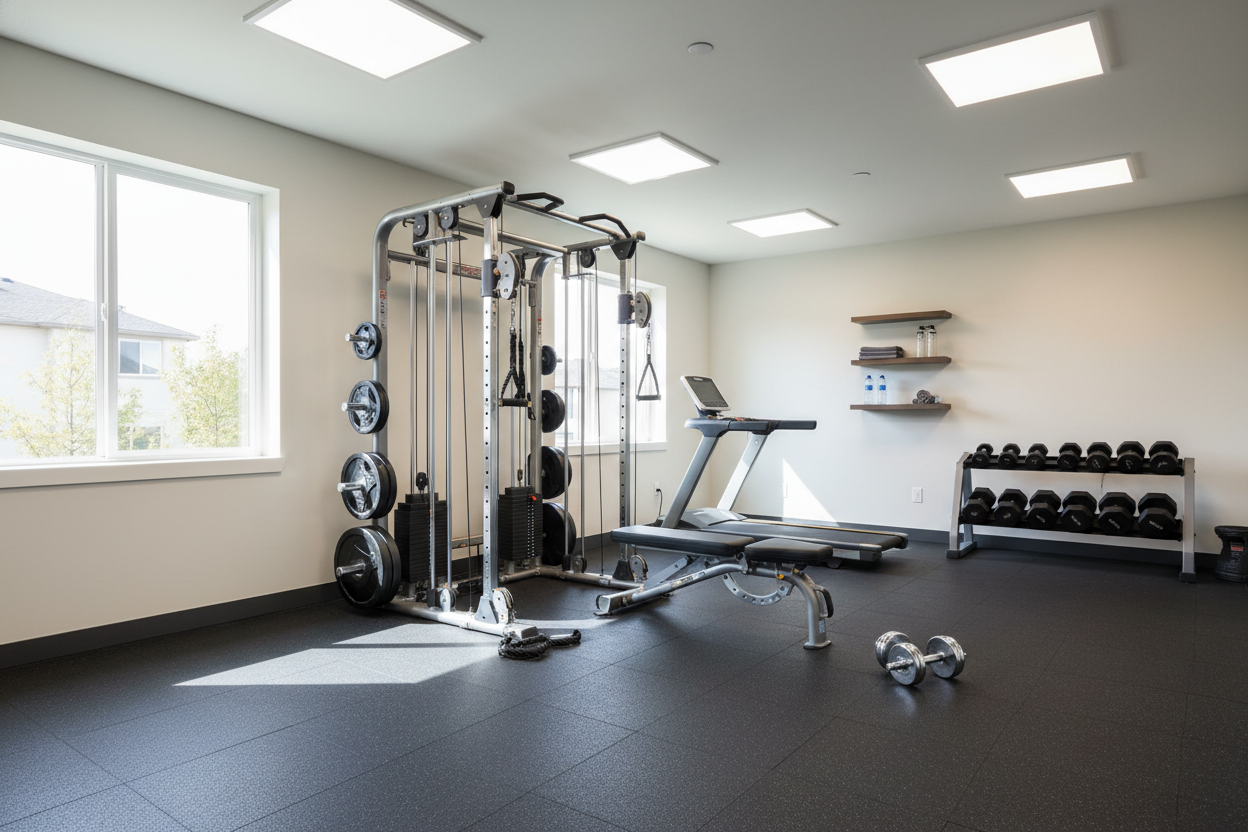
I remember the first time I walked into a big-box gym. I spent forty minutes on a recumbent bike reading a magazine, then did three sets of ten on a bicep curl machine with a weight so light I didn't even break a sweat. I walked out wondering why my body looked exactly the same. If you're looking for a weight loss machine workout that actually delivers, you have to ditch the 'easy' mentality. Machines aren't for resting; they're for pushing your limits without needing a spotter to save your life.
Quick Takeaways
- Intensity is the driver: If you aren't struggling by rep 10, the weight is too light.
- Supersets maximize time: Pairing opposing muscle groups keeps your heart rate in the fat-burning zone.
- Safety allows for failure: Machines let you reach true muscular fatigue safely.
- Consistency beats variety: Pick five solid moves and get stronger at them over eight weeks.
The 'Toning' Myth That's Wasting Your Time
The word 'toning' is usually code for 'I’m afraid to lift heavy.' Most people approach a machine workout for weight loss by picking a selectorized machine, pinning the lightest weight possible, and doing 30 reps while staring at their phone. This is a waste of oxygen. To lose weight, you need to create a metabolic demand that your body can't ignore. If you aren't sweating by set two, you're just sitting down in public.
Doing high reps with zero resistance doesn't build muscle or burn significant calories. It just makes you good at moving your limbs through space. You need to pick a weight that makes you grunt by the eighth rep. That’s where the metabolic change happens. If you aren't challenging the muscle, your body has no reason to burn fat stores to maintain it. Stop treating the gym like a social club and start treating it like a construction site for your new physique.
What Actually Forces Your Body to Drop Fat
Fat loss isn't just about what you burn during the 45 minutes you're in the garage. It’s about EPOC—Excess Post-exercise Oxygen Consumption. When you hit heavy weight machine workouts for weight loss, you create micro-tears in the muscle and stress the central nervous system. Your body spends the next 24 hours burning calories just to repair that 'damage.' This afterburn effect is the real secret to getting lean while keeping your muscle mass.
I’ve seen people drop thousands on fancy connected cardio bikes that collect dust by February. The cost of weight machine gear is often lower in the long run because iron doesn't require a monthly subscription to work. A heavy set of chest presses will do more for your metabolic rate than an hour of mindless walking ever will. When you load a machine with 150 pounds and push it for 10 reps, your heart rate spikes more than it ever would on a treadmill. That’s the science of fat loss in action.
Designing a Gym Equipment Workout Plan for Weight Loss
To make this work, you need a gym equipment workout plan for weight loss that focuses on density. That means doing more work in less time. I’m a huge fan of agonist-antagonist supersets. You hit a 'push' exercise, like a chest press, and immediately follow it with a 'pull' exercise, like a row. This keeps the blood flowing and the heart rate high while one muscle group recovers while the other works.
You don't need a 5,000 square foot facility to do this. A solid setup starts with a heavy-duty weight bench and a versatile cable system or a multi-gym. When you have a stable base, you can move between exercises with zero downtime. I usually set my timer for 60 seconds of rest—not a second more. If you're scrolling Instagram between sets, you've already lost the metabolic battle. The goal is to keep the intensity high enough that you're slightly uncomfortable the entire time.
Focus on big, compound movements. Leg presses, lat pulldowns, and chest presses should be the foundation. These moves involve multiple joints and the largest muscle groups in your body. The more muscle you recruit, the more fuel your body has to burn. Don't waste your time on wrist curls or calf raises when you're trying to shed fat. Stick to the big stuff and lift it like you mean it.
The Heavy Push-Pull Strategy
The push-pull strategy ensures you don't overtax one specific muscle group too early, allowing you to keep the total volume high. For example, using a chest press machine with independent arms allows you to load up the weight and focus entirely on the contraction. Because the arms move independently, your stronger side can't overcompensate for the weaker one, which balances your physique while you shred.
Pair that press with a seated cable row. You’re hitting the two largest muscle groups in your upper body back-to-back. Your heart will be thumping, your lungs will be burning, and you'll be building the kind of muscle that eats fat for breakfast. This is how you structure weight machine workouts for weight loss that actually work. You aren't just burning calories; you're changing your body's hormonal environment to favor fat loss over fat storage.
Is a Multi-Station Rig Best for Fat Loss?
If you've ever tried to do a circuit in a public gym, you know the frustration. You finish your pulldowns, turn around to do your presses, and some guy is sitting on your machine checking his emails. It kills your momentum and your heart rate drops. This is why a universal gym weight machine is such a win for home owners. It consolidates everything into one footprint so you can move from rows to presses in three seconds flat.
Having everything in one spot means you control the tempo. You can run a machine workout for weight loss with clinical precision. No waiting, no distractions, just pure work. If you have the space, it’s the most efficient way to get a full-body metabolic hit without the logistical headache of a commercial floor. Plus, modern multi-gyms are built with commercial-grade pulleys that feel smooth even when you're moving fast, which is critical for high-intensity training.
My Go-To Gym Machine Workout Routine for Weight Loss
This is a 45-minute gym machine workout routine for weight loss that I’ve used myself when I need to lean out fast. Don't let the 'machine' label fool you; if you do this right, you'll be gasping for air. We are aiming for the 8-12 rep range—heavy enough to be difficult, but high enough to keep the heart rate up.
- Superset 1: Chest Press & Lat Pulldown. 4 sets of 8-12 reps. Rest 60 seconds between supersets. Focus on a 2-second eccentric (lowering) phase to maximize muscle tension.
- Superset 2: Leg Press & Seated Leg Curl. 4 sets of 12-15 reps. Rest 60 seconds. This is the 'engine' of the workout. Your legs are huge muscles; working them hard burns more calories than anything else.
- Superset 3: Shoulder Press & Seated Row. 3 sets of 10-12 reps. Rest 45 seconds. By now, you should be sweating profusely. Keep the form tight and don't use momentum.
- Finisher: Cable Face Pulls & Tricep Pushdowns. 3 sets of 15-20 reps. Rest 30 seconds. This is just to flush the muscles with blood and finish off the remaining glycogen stores.
The key here is the weight. You should be using roughly 75% of your maximum effort. If you find yourself breezing through the reps, add another plate immediately. This gym equipment workout plan for weight loss only works if you actually challenge your muscles to adapt. I've used this exact routine to drop 5 pounds of water and fat in two weeks just by increasing the density of my sessions.
Personal Experience: The 'Cheap Gear' Lesson
A few years back, I bought a bargain-bin cable tower because I wanted to save a few bucks. I was halfway through a high-intensity circuit, sweat dripping everywhere, when the plastic pulley literally melted from the friction of the fast reps. It stalled my progress for weeks while I waited for parts. Now, I only buy gear with steel pulleys and high-tensile cables. If you're training for fat loss, you’re going to be moving fast and sweating hard—your equipment needs to be able to keep up with that abuse.
FAQ
Can I lose weight using only machines?
Absolutely. Your muscles don't know the difference between a barbell and a cable. They only know tension. If you provide enough tension and keep your rest periods short, machines are incredibly effective for fat loss and often safer for training to failure.
Should I do cardio before or after the machine workout?
Do it after. You want your peak energy to go into the heavy lifting to maximize muscle retention and metabolic stress. 15 minutes of incline walking after your machine circuit is the perfect way to burn off the fatty acids you just released during your lifting.
How many reps are best for weight loss?
Forget the 20+ rep 'toning' range. Stick to 8-12 reps with heavy weight. This builds muscle, and muscle is metabolically active tissue that burns more calories even while you’re sleeping. High reps with light weight just build endurance, not the metabolic engine you need for fat loss.
Share:
The Hidden Cost of Buying a Smart Weight Lifting Machine
You Don't Need Another Machine (Just Better Fitness Accessories for Home)