
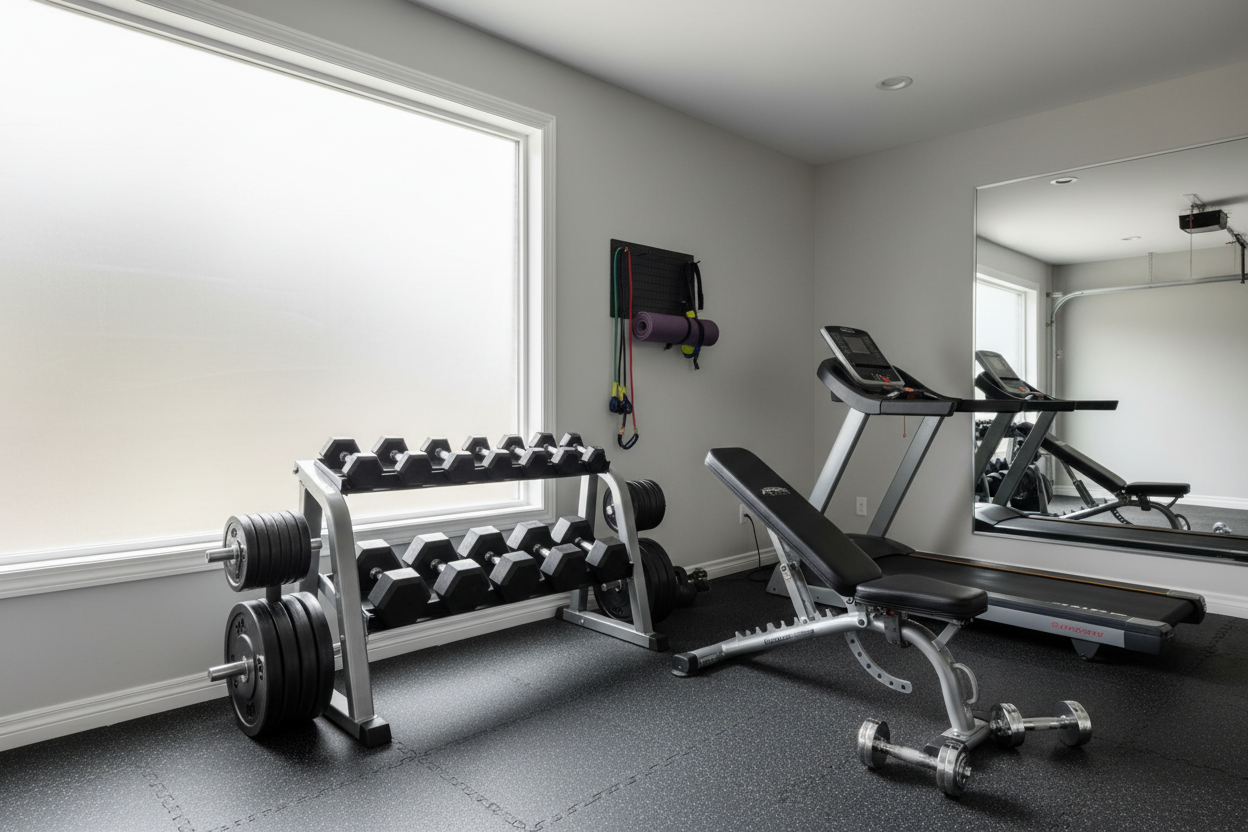
You find the perfect power rack online, hit checkout, and suddenly there is a $350 'LTL Freight' charge staring you in the face. It kills the buzz faster than a missed PR. This is why I have stopped clicking 'buy' on heavy iron and started hitting up local gym shops instead.
Walking into a physical store gym might feel old school, but it is the smartest move for your wallet. When you shop for gym gear locally, you are not just buying steel; you are bypassing the logistics nightmare that usually doubles the price of a barbell. You get to touch the knurling, test the cable drag, and—most importantly—negotiate like a pro.
- Freight savings often equal 20% of your total budget.
- Floor models are your best friend for instant discounts.
- Bundling a rack, bar, and plates is your biggest leverage point.
- Testing equipment in person prevents buying gear that feels like a toy.
Stop Paying Freight: The Hidden Local Advantage
Freight shipping is the silent killer of the home gym dream. When you order a 300-lb rack online, it does not come via a standard delivery truck. It arrives on a pallet via an LTL carrier. That means you are paying for a liftgate service and a driver to navigate a massive rig into your driveway. That cost is passed directly to you.
Local retailers already paid that fee—but they did it for fifty racks at once. By walking into a shop, you are effectively piggybacking on their bulk logistics. Even if the sticker price is slightly higher than a website, you are still saving hundreds by not paying for that individual pallet. Plus, you can usually back your truck right up to their loading dock and have your gear the same day. No waiting for a delivery window that never shows up.
How to Identify a Real Store Gym Retailer
Not every place with a treadmill in the window is worth your time. You need to distinguish between the big-box sporting goods stores and a dedicated specialty retailer. The big-box guys sell 'fitness-looking' equipment. It is usually 14-gauge steel with 1-inch bolts that feels like a wet noodle when you try to rack a heavy set of squats.
A real specialty shop stocks the heavy stuff: 11-gauge steel, 3x3-inch uprights, and bars with actual whip. I follow The 4 Rules I Swear By When I Shop for Gym Equipment to vet any piece before I pull the trigger. If the shop owner doesn't know the difference between a bushing and a bearing bar, walk out. You want a place that caters to people who actually lift, not just people looking for a clothes rack for their bedroom.
The 'Bundle Strategy' When You Shop for Gym Gear
Retailers love inventory 'turns.' They want gear moving out the door to make room for the next shipment. If you walk in and buy a single pair of 5-lb plates, you have zero leverage. But if you are looking to outfit a complete home gym, you are a VIP. The goal is to create a single, high-value transaction that makes it worth the manager’s time to shave off the margin.
Start with a high-ticket anchor. Maybe you are eyeing a Smith machine home gym station or a heavy-duty functional trainer. These items have the most markup. Once that is in your 'cart,' start adding the essentials: the bar, the plates, the rubber flooring. That is when you ask for the 'package price.' A manager is much more likely to knock 15% off a $3,000 order than $5 off a $100 order. Always ask, 'What can we do on the total if I take all of this today?'
The Exact Script I Use to Claim Floor Models
Floor models are the ultimate 'hack' in the equipment world. They are already built, which saves you three hours of swearing at a hex key, and they take up valuable real estate that the shop owner wants for new inventory. Here is exactly what I say:
'I really like the feel of this rack, but I noticed a few scratches on the powder coat from people testing it. If I take this floor model off your hands today—as is—so you don't have to break it down or unbox a new one for the next guy, what is the best out-the-door price you can do?'
Usually, they will offer to toss in a free bench or knock a significant chunk off the total. They get a fresh spot on the floor for the new model year, and you get a pre-assembled tank for a fraction of the cost. It is a win-win that only happens in person.
My Biggest Buying Mistake
Years ago, I tried to save money by buying 'seconds' from a warehouse sale. I didn't test the equipment; I just loaded the boxes and left. When I got home, I realized the '45-lb' plates were wildly inconsistent—one was 41 lbs and the other was nearly 48. My squat felt lopsided for weeks until I finally weighed them. Now, I always bring a small luggage scale to the shop or at least check the casting quality before the gear hits my truck. If a shop won't let you check the weight, they aren't the shop for you.
FAQ
Can I negotiate at a big-box retail chain?
Rarely. The staff at massive national chains usually don't have the authority to change prices. Stick to independent or regional specialty shops where the person behind the counter is often the owner or a manager with actual skin in the game.
Is it worth driving a few hours to a shop?
If you are buying a full rack and plate set, absolutely. A two-hour drive is a small price to pay to save $300 in shipping and ensure the gear isn't damaged or lost by a freight carrier.
What if they won't budge on the price?
Ask for 'value-adds' instead. If they won't budge on the price of the rack, ask if they can throw in a pair of collars, a landmine attachment, or free local delivery. Often, giving away an accessory is easier for their books than cutting the price of the main unit.
Share:
The Best Place to Buy Exercise Equipment Isn't Just One Store
I Ditched My Squat Rack for a Multipower Machine. Here's Why.