
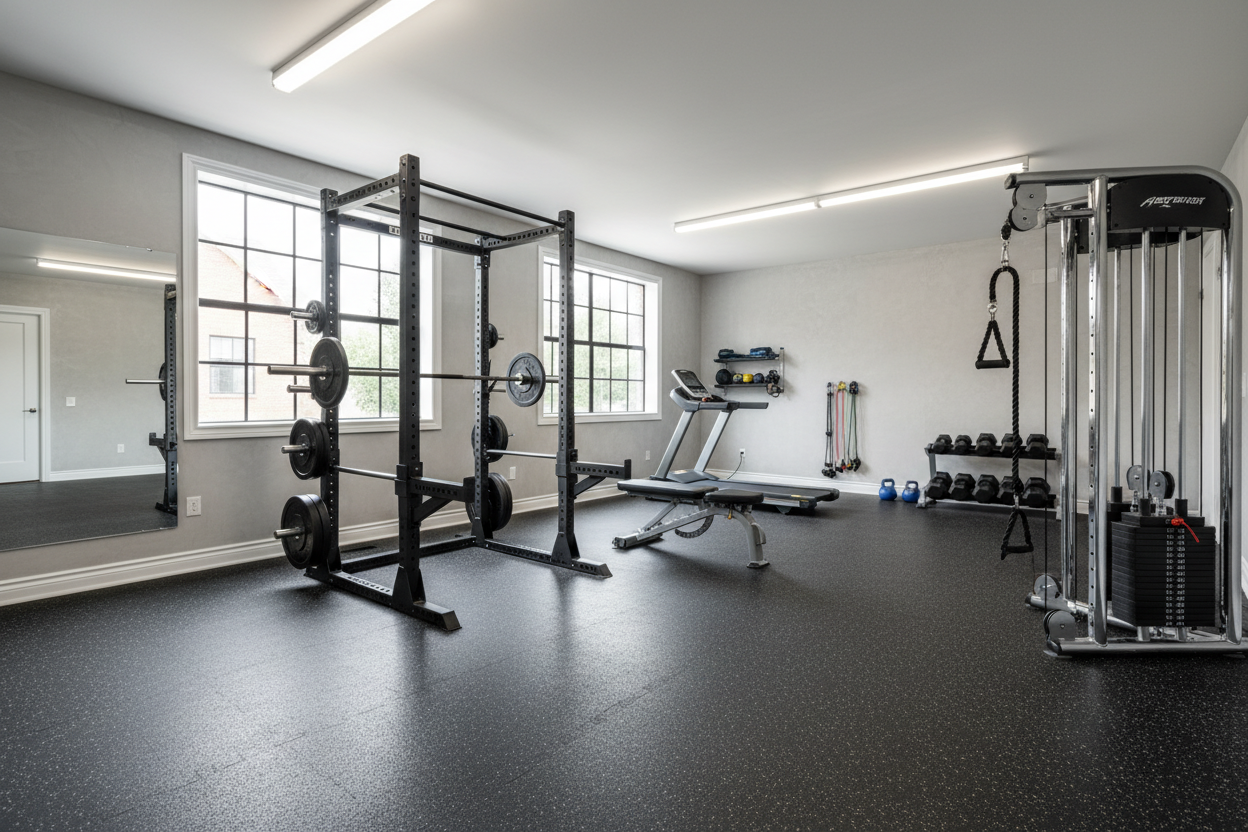
I spent years in commercial gyms before I finally pulled the trigger on a home setup. My biggest mistake? Thinking that anything with a cable and a weight stack would feel the same as the Life Fitness rigs at my old powerhouse gym. It doesn't. Most of what you see on social media ads is glorified plastic junk that shakes the moment you load more than 50 pounds.
Finding the best home resistance gym isn't about the flashy digital screens or the 'AI-powered' coaching. It is about the steel, the pulleys, and whether or not the thing will snap while you are mid-set on a heavy face pull. You want a rig that handles your heaviest sets and actually drives hypertrophy through consistent, smooth tension.
Quick Takeaways
- Check the pulley ratio: 2:1 is standard for functional trainers, while 1:1 is for heavy lifting.
- Look for 11-gauge steel frames to ensure the machine doesn't tip during explosive movements.
- Nylon-coated aircraft cables (2,000-lb rated) are the industry standard for safety.
- Measure your ceiling height—many commercial-grade machines require at least 84 inches of clearance.
The Problem With Most 'Resistance' Setups
The fitness industry loves the word 'resistance' because it is vague. It allows companies to sell you $500 bungee cord kits and call them a 'total body gym.' If you are serious about building muscle, you need to ignore the gimmicks. Bungee cords and light bands have a variable resistance curve that is lightest at the start and heaviest at the end. That is fine for rehab, but it is trash for consistent progressive overload.
A real resistance system uses gravity—either through iron plates or a selectorized weight stack. You need a machine that provides a constant load throughout the entire range of motion. I have seen too many people buy those late-night TV machines only to realize they can't actually do a heavy lat pulldown because the machine weighs less than they do. If the machine doesn't have a footprint that feels anchored to the earth, it is a toy, not a tool.
How to Compare Home Gyms Without Getting Tricked
When you start to compare home gyms, you have to look past the paint job. The first thing I check is the pulley ratio. A 2:1 ratio means 100 pounds on the stack feels like 50 pounds in your hand, but you get double the cable travel. This is perfect for functional movements and shadows boxing. A 1:1 ratio is 'true weight,' meaning 100 pounds feels like 100 pounds. If you are a heavy hitter, you want at least one 1:1 station for your heavy rows and pulldowns.
Next, look at the cables. You want high-tensile aircraft cables with a smooth nylon coating. If the cable feels 'choppy' or 'stuttery' when you pull, the pulleys are likely cheap plastic rather than aluminum or high-grade nylon with sealed bearings. Smoothness isn't just about 'feel'—it is about keeping constant tension on the muscle fibers. If the weight is jumping around because of a bad pulley, your nervous system is going to fight the machine instead of the weight.
Real Home Gym Comparisons: Plate-Loaded vs. Weight Stacks
This is the classic debate when you run home gym comparisons. Plate-loaded machines are the budget-friendly heroes. They are usually cheaper because the manufacturer doesn't have to ship 400 pounds of lead-filled iron. If you already own a bunch of Olympic bumper plates, a plate-loaded functional trainer is a no-brainer. It saves you money and lets you use the gear you already have.
However, weight stacks are the king of convenience. If you are a fan of drop sets or high-volume bodybuilding work, nothing beats moving a pin in two seconds. I used to be a plate-loaded purist until I realized I was skipping my accessory work because I didn't feel like dragging 45-pound plates across the garage for a set of tricep extensions. If your budget allows, go selectorized. The speed of your workout will thank you.
Does Your Resistance Gym Need a Barbell Attached?
Some of the best rigs on the market right now are hybrids. They combine a cable functional trainer with a guided barbell track. Adding a Smith machine home gym station into the mix changes the game for solo lifters. It allows you to push to absolute failure on movements like incline press or Bulgarian split squats without the fear of getting pinned under a bar.
I used to talk trash about Smith machines until I hit my 30s and realized my joints appreciated the stability on certain days. A hybrid machine that offers both free-moving cables and a fixed-path barbell gives you the best of both worlds. You get the 'functional' freedom of the cables for your flies and rotations, and the raw loading capacity of the bar for your heavy compounds. Just make sure the bar has a decent knurling—smooth bars are a recipe for slipped grips once you start sweating.
Final Verdict: Securing Your Cable Sanctuary
At the end of the day, the best machine is the one you will actually use. I've seen guys buy $5,000 rigs that sit and collect dust because they are too cramped to move around in. Measure your space, check your ceiling height, and be honest about your strength levels. If you are pulling 300-pound rows, a 150-pound weight stack isn't going to cut it.
I have tested dozens of these things, and I have realized that the perfect at-home setup doesn't exist, but you can get incredibly close with a commercial-grade cable trainer. Look for heavy steel, smooth pulleys, and a warranty that actually covers the cables. Your garage should be a place of progress, not a graveyard for flimsy equipment that couldn't handle the heat.
FAQ
What is the best pulley ratio for a home gym?
For most people, a 2:1 ratio is best. It offers more cable travel for lunges and athletic movements. If you strictly want to do heavy bodybuilding movements, look for a 1:1 ratio or a machine that offers both.
Can I build muscle with just a resistance gym?
Absolutely. Muscle doesn't know the difference between a dumbbell and a cable. As long as you are hitting your sets with enough intensity and practicing progressive overload, a cable-based gym can build a world-class physique.
How do I maintain my cable machine?
Keep the guide rods clean. Wipe them down once a month with a lint-free cloth and apply a light coat of dry silicone spray. Never use heavy grease; it just attracts dust and makes the movement feel like sandpaper.
Share:
I Built a Home Gym Small Enough for a Bedroom
How I Finally Replicated Gym Machine Weights in My Garage