
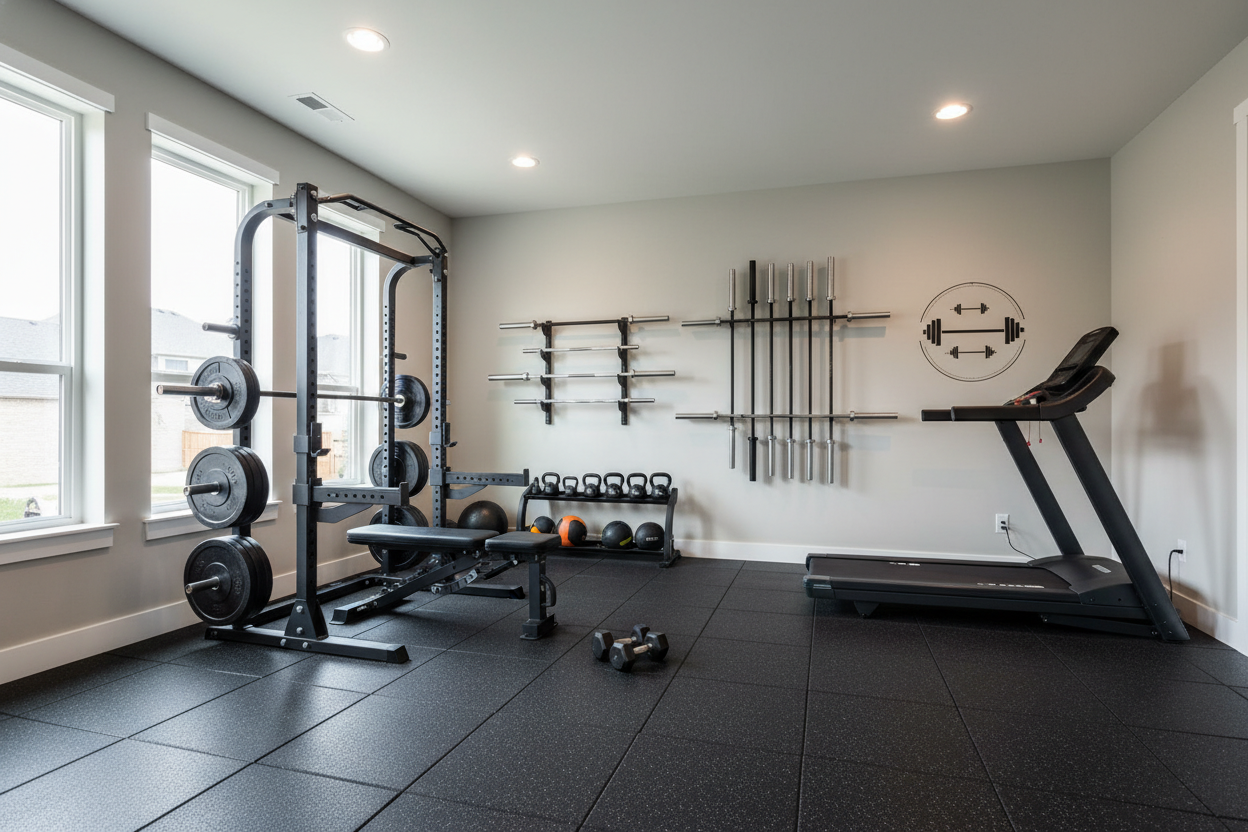
I remember standing in front of a vertical storage rack at a local commercial gym, staring at a dozen identical-looking steel sticks. I grabbed the first one I saw, loaded it up for heavy squats, and immediately felt the bar whipping around like a wet noodle on my back. It was terrifying. To the uninitiated, every barbell type is just a 7-foot piece of metal, but that assumption is a fast track to a bad lift or a wrist injury.
Quick Takeaways
- Power bars are stiff and 'grippy'—perfect for squats, benches, and deadlifts.
- Olympic bars are designed to spin and flex, which is essential for cleans and snatches.
- Multipurpose bars are the Jack-of-all-trades for most home gym owners.
- Avoid 1-inch 'standard' bars; they are flimsy and won't fit high-quality plates.
Why Do They All Look Like the Exact Same Piece of Steel?
The variety of different lifting bars can be overwhelming when you're just starting out. You see different barbell names thrown around—Texas Power Bar, Ohio Bar, IWF Certified Bar—and it feels like marketing fluff. It isn't. The difference lies in the 'knurling' (that sandpaper-like texture), the 'whip' (how much the bar bends), and the 'spin' (how easily the ends rotate).
If you grab a bar with no center knurling for a heavy back squat, it’s going to slide down your shirt. If you try to bench with a bar that has too much spin, your wrists will feel unstable. Most guys just guess, but if you're tracking your progress, your bench press bar weight matters just as much as the plates you're sliding on. You can't hit a PR if you don't know what you're holding.
The 'Big Three' Straight Bars Every Lifter Should Know
When you walk into a serious facility, the different bars at the gym usually fall into three main buckets. Understanding these different types of olympic barbells is the baseline for any strength program. These are the 2-inch sleeve bars that handle real weight.
Powerlifting Bars: Stiff, Aggressive, and Built for Squats
A power bar is the tank of the barbell world. It’s usually 29mm thick, making it stiffer than other types of workout bars. The goal here is zero whip. You don't want the bar bouncing when you're walking out a 400-lb squat. These bars also feature aggressive center knurling to 'bite' into your back or your palms during deadlifts. They use bronze bushings for a slow, controlled spin.
Olympic Weightlifting Bars: The Kings of Whip and Spin
If you're doing cleans, snatches, or jerks, you need different types of weightlifting bars entirely. These are 28mm thick and made of steel that is specifically designed to flex (the 'whip') to help you catch weight. More importantly, they use needle bearings in the sleeves. This allows the weights to spin at high speeds, protecting your wrists from the torque of the rotating plates.
Multipurpose Bars: The Ultimate Home Gym Compromise
For most of us, we aren't specialists. We want to bench on Monday and do some power cleans on Wednesday. That’s where the multipurpose bar comes in. It’s usually 28.5mm thick, has moderate whip, and lacks that painful center knurling. If you're building a setup from scratch, a solid 20kg Olympic barbell is the most versatile tool you can own. It does everything well enough that you won't need a second bar for years.
What Are the Small Barbells Called? (And Other Weird Shapes)
You’ve probably seen the 'zig-zag' bar and wondered: what is the small barbell called? That’s an EZ curl bar. Its barbell shape is designed to put your wrists in a semi-supinated position, which saves your joints during high-volume arm work. If you're asking 'what are the small barbells called' in reference to the short, straight ones, those are usually fixed-weight bars used for accessory movements.
Then there’s the trap bar (or hex bar), which looks like a giant diamond. This is the best barbell type for beginners learning to deadlift because it keeps the weight centered with your gravity. You might also see a Swiss bar (a ladder-looking bar) for neutral-grip pressing, which is a lifesaver if you have chronic shoulder issues.
Standard vs. Olympic: The Most Expensive Beginner Mistake
The biggest trap is buying a 1-inch 'standard' bar from a big-box store. These are the types of weight bars that come in those cheap 110-lb sets. The problem? They have a low weight capacity, they don't spin, and you can't use them with 2-inch Olympic plates, which are the industry standard. If you're serious about lifting, always go with Olympic bar types. Pair it with a sturdy weight bench with barbell rack and you have a foundation that will actually last a decade.
So, Which Bar Actually Belongs in Your Garage?
If you're a powerlifter, get a power bar. If you're a CrossFitter, get a multipurpose bar. If you're just looking to get fit, don't overthink the different weight lifting bars too much—just ensure it’s a 20kg Olympic-sleeved bar. My personal mistake? I once bought a cheap chrome bar that didn't have a rotating sleeve. Every time I did a row, the 'thud' of the plates rotating against the bar drove me crazy. Spend the extra $50 for a bar with decent bushings; your ears and your wrists will thank you.
FAQ
What are the weights called that go on the bar?
Those are called bumper plates (if they are rubber and meant to be dropped) or iron plates (if they are for powerlifting). The small collars that keep them from sliding off are usually called clips or jaw-locks.
What is the bar called that you put weights on?
The general term is a barbell, but specifically, it’s the shaft (where you grip) and the sleeves (where the weights go).
How much does a gym bar weigh?
A standard Olympic bar is 20kg (44.1 lbs), while a women’s bar is 15kg (33 lbs). Always check, because some 'technique bars' can weigh as little as 5kg.
Share:
Why I Lift With a $400 Barbell and Cheap Exercise Weights
How to Avoid Junk When Buying Fitness Equipment in Pakistan