
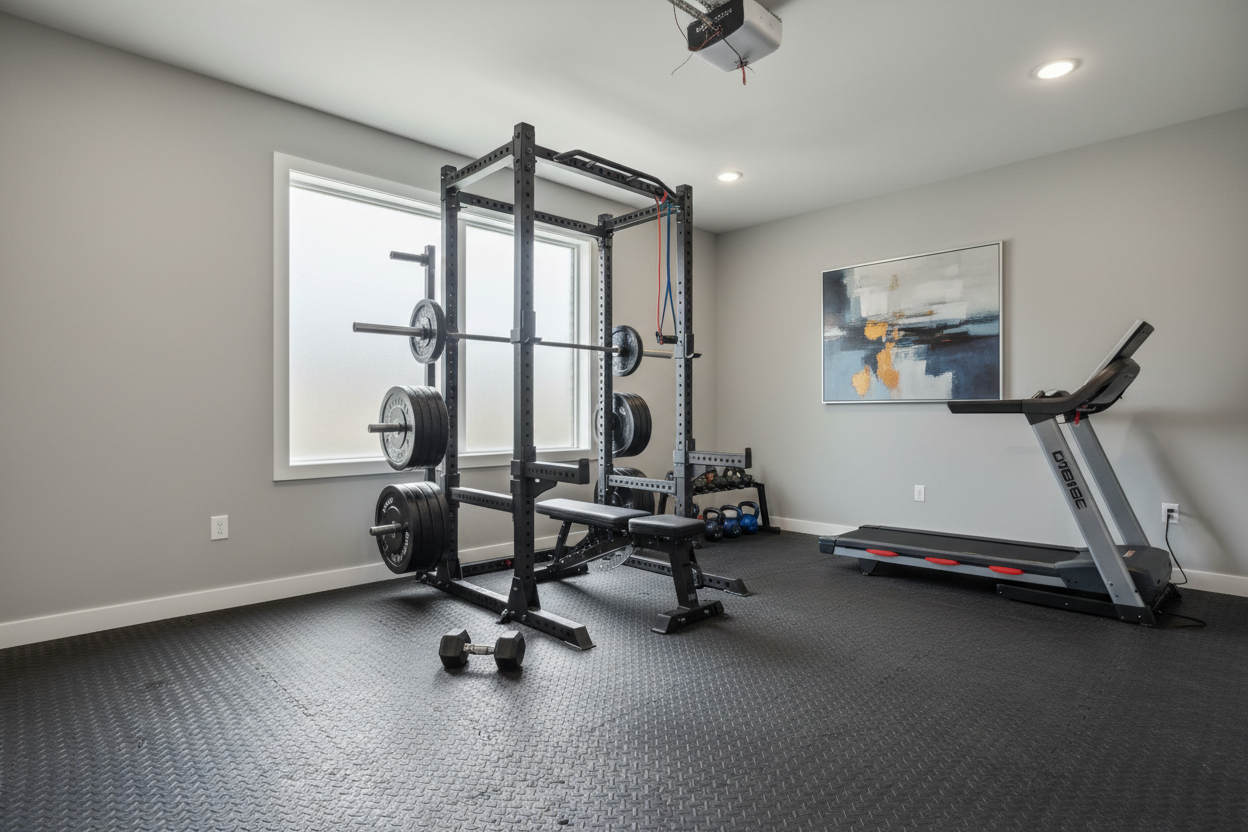
I remember the first time I bought a 'heavy-duty' power rack off a random site at 2 AM. It arrived in three boxes that looked like they had been through a woodchipper. When I finally bolted it together, the uprights were so thin I could practically dent the steel with a firm thumb press. It was a lesson learned the hard way: not every fitness equipment retailer actually knows what a heavy squat feels like.
- Legitimate brands list specific steel gauges (11 or 12) rather than vague 'heavy-duty' labels.
- Real companies show actual humans using the gear, not just 3D renders on a white background.
- If the same machine appears on five different sites with five different names, it is a generic dropship.
- Check the physical address and warranty; if they are hidden, the gear is probably disposable.
The Rise of the Ghost Gym Store
It has never been easier to open a fitness shop online. You find a factory in Ningbo, pick a color from a PDF catalog, and slap a 'Pro' sticker on a generic bench. Suddenly, you are a retailer with a fancy Instagram ad and a slick website. But here is the reality: most of these 'brands' do not even have a warehouse. They are pushing fitness equipments online from a laptop in a coffee shop, and they have never actually loaded 405 pounds onto the racks they sell.
These ghost stores are middlemen. They do not design gear; they just facilitate a transaction for a commission. When you buy from them, you are paying a premium for a logo on a product that was never tested for safety or durability. If the store feels like it was built in an afternoon, it probably was. They rely on high-volume, low-quality sales, hoping you will not bother with the return process when the 'commercial grade' treadmill starts smelling like burnt plastic after three miles.
Red Flag #1: They Hide the Actual Steel Specs
If a site will not tell you the steel gauge, run. In the world of online exercise equipment, steel is everything. Legitimate brands proudly state they use 11-gauge or 12-gauge steel. If a store just uses buzzwords like 'industrial strength' or 'ultra-sturdy construction' without providing a number, it is usually because they are using thin 14-gauge or even 16-gauge steel that belongs in a toy factory, not a gym.
Thickness matters for stability and safety. A rack made of thin steel will sway like a palm tree when you try to rack a heavy bar. I Tested the Cheapest Fitness Equipment Online (Here's What Broke) because I ignored this exact red flag once. I found that 'heavy-duty' meant nothing when the J-cups started bending under a standard load. Always look for the weight capacity too. A real bench should be rated for at least 600 pounds to account for both the lifter and the weights. If that number is missing, the retailer is hiding something.
Red Flag #2: Zero Videos of Real Humans Lifting
You should be highly suspicious of online fitness accessories and racks that only feature pristine 3D renders. If every image is a perfect computer-generated model on a white background, the retailer likely does not even have the product in hand. They are using the factory's stock renders because they have never actually seen, touched, or lifted on the equipment themselves.
I want to see a 250-pound guy doing pull-ups on the rack. I want to see the knurling on a barbell up close, showing the actual texture of the steel. Real brands invest in photography and video because they are proud of the finished product. If a site is selling 'pro' gear but cannot show a single video of someone actually training on it, they are just a storefront for a factory catalog. You are not buying gear; you are buying a gamble.
Red Flag #3: The Generic Dropshipping Catalog
Ever notice how ten different stores sell the exact same adjustable bench, but with different names like 'IronMastery' or 'FitTitan'? That is the hallmark of a generic home workout store acting as a middleman. They are all pulling from the same Alibaba or AliExpress catalog. Before you gym equipment online buy, use Google Lens to reverse-search the product image. If it pops up on dozens of sites with wildly different prices, you are looking at a generic product.
When you buy these fitness machines online, you lose all accountability. These retailers do not stock parts. If a cable snaps on your functional trainer six months from now, the 'store' will likely be gone, or they will tell you they do not carry replacement parts. A real retailer designs their own specs, manages their own quality control, and keeps a warehouse full of spare bolts, cables, and pads because they plan on being around for a decade, not just through the next fitness fad.
How I Actually Vet a Brand Before Spending My Money
Before I drop a grand on a Home Gym setup, I go through a mental checklist. First, I look for a physical address. If the 'Contact Us' page is just a generic web form with no phone number and no warehouse location, I am out. Outfitting your personal training space is a major investment, and you need a brand that stands behind their products. I also check the warranty terms. A 30-day warranty on a squat rack is a joke; it means the company knows the welds won't last a year.
Next, I test their customer service. Send a technical question about the hole spacing on a rack or the tensile strength of a barbell. A real fitness equipment retailer will give you a specific answer. A dropshipper will give you a canned response or won't answer at all. When buying online weight equipment, I also look for community reviews on forums like Reddit or specialized equipment groups. If nobody in the lifting community has heard of the brand, there is usually a very good reason for that.
How can I tell if a barbell is high quality?
Look for the tensile strength rating, usually measured in PSI. Anything under 160,000 PSI is entry-level. A good daily driver should be 190,000 PSI or higher. Also, check if it uses bushings or bearings for the sleeve rotation.
Why is shipping so expensive for gym gear?
Steel is heavy. If a site offers 'free shipping' on a 300-pound item for a suspiciously low total price, they are likely cutting corners on the product quality to offset the freight costs. Real iron costs real money to move.
Is 14-gauge steel okay for a home gym?
Only if you are doing very light work. For anyone planning on squatting or pressing significant weight, 11-gauge or 12-gauge is the standard for safety and long-term durability. 14-gauge is thin and prone to warping over time.
What is the most important thing to check on a treadmill?
Check the motor's Continuous Horsepower (CHP), not the 'Peak' horsepower. Shady retailers list the peak to make it sound powerful, but the CHP is what determines if the motor will burn out during a long run.
Share:
Stop Doing Random Curls: How to Exercise at Home With Equipment
I Tested the Best At Home Exercise Equipment and Kept Exactly 3 Pieces