
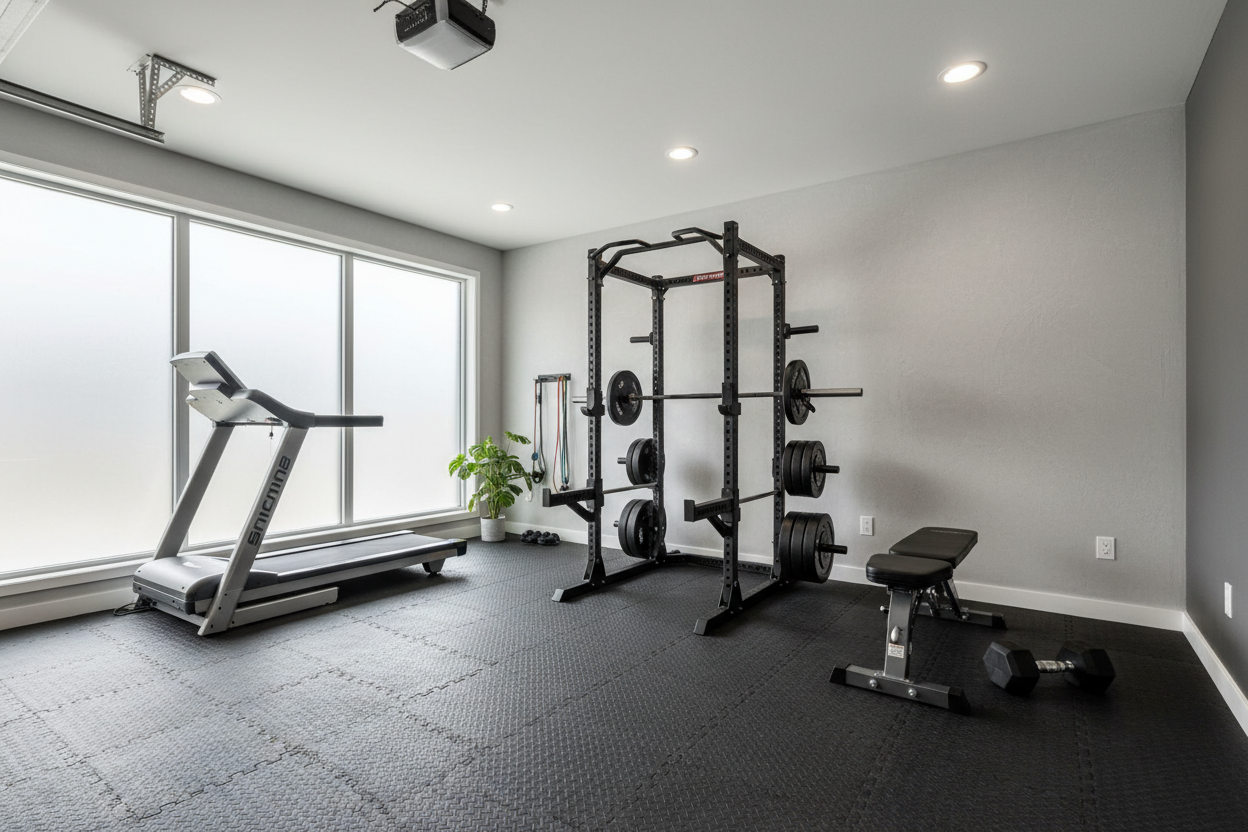
I remember scrolling through my feed at midnight, eyeing a power rack that looked like it belonged in a professional training center. The price was nearly half of what the legacy brands were asking, and the 'limited time' countdown timer was aggressively ticking away. I almost pulled the trigger, but something felt off. That is the trap many lifters fall into when scouting gym equipments companies today.
Quick Takeaways:
- Ghost brands are marketing agencies, not manufacturers.
- A lifetime warranty is useless if the company dissolves in 24 months.
- Always test customer support with a 'replacement part' request before buying.
- Stick to industry-standard hole spacing (5/8-inch or 1-inch) for future-proofing.
The Rise of the 'Ghost' Fitness Brand
We are living in the golden age of white-labeling. A marketing group in a suburban office park finds a generic factory catalog, picks a rack design, and orders 500 units with a 'tactical' logo slapped on the crossmember. They don't own a welder. They don't have an engineer on staff. They just have a very high budget for TikTok and Instagram ads.
These brands aren't here to build a legacy; they are here to capture a trend. They ride the wave of home gym demand, sell through their inventory, and often vanish or 'rebrand' once the customer service complaints about chipped powder coat and missing bolts start piling up. If you can't find a video of the founders actually using the gear, you're likely looking at a ghost brand.
Why I Now Read the Warranty Fine Print First
A 'Lifetime Warranty' is the most abused phrase in the fitness industry. It sounds great on a landing page, but it is technically only valid for the lifetime of the company. I've seen dozens of workout equipment companies pop up, offer 'unbeatable' protection, and then go bankrupt or 'restructure' under a new name two years later. Your warranty just became a digital ghost.
The brutal reality hits when a weld cracks on your J-cup or a pulley bearing starts grinding like a coffee maker. If the brand doesn't have a track record of at least five years, that warranty is a gamble. Real companies factor the cost of long-term support into their pricing. If a deal looks too good to be true, you aren't paying for the support you'll eventually need.
The 'Replacement Parts' Stress Test
Before you drop three grand on a big rig, send an anonymous email to their support team. Don't ask about shipping times—ask to purchase a proprietary spare part. 'Hey, I lost a pop-pin for the lat pulldown, can I buy a replacement?' or 'Do you sell extra cables for this specific height?'
If they tell you they don't stock individual parts or that you have to buy a whole new sub-assembly, walk away. A real equipment company has a warehouse full of boneyard parts because they actually understand the mechanics of what they sell. If they only sell 'boxed sets,' they are just a middleman for a shipping container.
Spotting Fake Innovation vs. Actual Engineering
Most 'new' gear is just a matte black finish on a generic 2015 design from a massive overseas factory. Real innovation isn't a new color; it is a change in the structural integrity or the user experience. You have to look at the gauge of the steel and the quality of the hardware to understand what actually makes the best workout gym machines worth buying.
Engineering costs money. Brands that actually design their gear will show you FEA (Finite Element Analysis) results or stress-test videos where they drop 1,000 pounds on a safety bar. Ghost brands will just show you a cinematic slow-motion shot of a fitness model doing bicep curls. If the marketing focuses 90% on the 'lifestyle' and 10% on the steel specs, you're looking at a fashion brand, not a fitness brand.
My 'Safe Bet' Checklist for Buying Heavy Iron
When you are outfitting your home gym, you want gear that outlives your PRs. First, look for a physical warehouse address. If their 'Contact Us' page is just a web form with no phone number or physical location, that's a red flag. Real companies have a place where the trucks pull in.
Second, check the hardware compatibility. Does the rack use standard 5/8-inch or 1-inch holes with 2-inch or 3-inch spacing? If they use some weird, proprietary hole size, they are trying to lock you into their ecosystem. If that company vanishes, you can't even buy a third-party dip bar or landmine attachment to fit your rack. Standardized hardware is your insurance policy.
When It Actually Makes Sense to Buy Off-Brand
I'm not saying you need to be a brand snob for everything. Cast iron plates are a great example. A 45-lb plate made of iron is going to weigh roughly 45 lbs whether it has a famous logo or a generic one. If you find a local 'ghost' brand selling basic iron for 80 cents a pound, buy it. There are no moving parts to fail.
However, the more moving parts a piece has, the more you need a reputable name. For something like a Smith machine home gym station, you are relying on linear bearings, cable tension, and precise alignment. If a bearing goes bad in three years and the company is gone, you have a 500-lb piece of scrap metal in your garage. Buy the name brand for the machines; buy the off-brand for the heavy, dumb iron.
Personal Experience: I once bought a 'budget' adjustable bench from a viral brand. On paper, it was rated for 1,000 lbs. During a heavy set of inclines, the adjustment teeth—which were made of soft, cheap steel—literally sheared off. I dropped four inches mid-rep. When I tried to contact the company for a replacement part, the website was a 404 error. They had 'pivoted' to selling massage guns under a different name. I learned my lesson: buy from people who actually build things.
FAQ
Is 14-gauge steel okay for a home rack?
It's fine for beginners or light lifters, but if you're planning on squatting over 400 lbs or doing heavy rack pulls, look for 11-gauge steel. It’s significantly more rigid and won't sway when you re-rack the bar.
How can I tell if a company is just drop-shipping?
Check their shipping times. If it takes 45-60 days to arrive, it's likely coming straight from a factory in Asia on a slow boat. Real companies stock their own inventory in local warehouses for 3-7 day shipping.
Do I really need a phone number for customer service?
Yes. If you have a shipping claim because a 100-lb box arrived torn open with missing hardware, you want to talk to a human, not wait 48 hours for a generic email response from a 'support ticket' system.
Share:
How to Safely Handle a 50 kg Dumbbell in a Solo Garage Gym
Stop Wasting Space: Why a Free Weight and Bench Setup Wins