
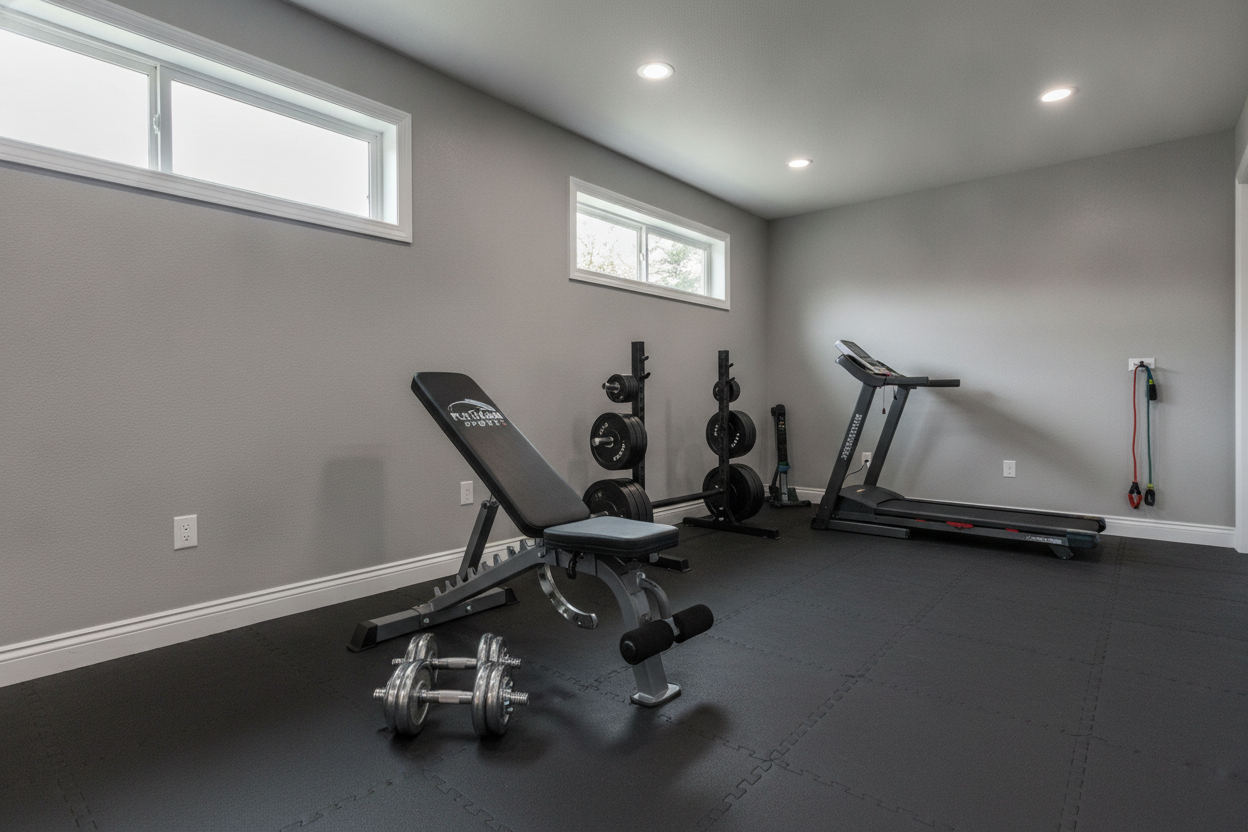
I finally hit my breaking point with my local big-box gym. Between the $70 monthly fee and the guys filming TikToks in the squat rack, I decided it was time to build the garage kingdom. My first mission? Finding a play it again sports weight bench that didn't cost a fortune or require a $150 shipping fee from an online retailer.
Quick Takeaways
- Most used inventory consists of entry-level benches with low weight capacities (300 lbs or less).
- Check for 'frame fatigue'—if the steel looks bowed, leave it on the floor.
- Vinyl tears are cosmetic, but compressed foam is a back injury waiting to happen.
- You can often find a brand-new, higher-spec bench for the same price as a used 'name brand' model.
Why I Walked Into the Store With $100
The logic was simple. Used gear is usually 50% off retail, right? I wanted to find a heavy-duty, commercial-grade unit that some failed CrossFit gym had traded in. I was hunting for 11-gauge steel and a pad that didn't feel like a pool noodle. Plus, the idea of throwing a bench in the back of my truck and training twenty minutes later is a lot more satisfying than waiting two weeks for a delivery truck.
I walked past the rows of used hockey skates and overpriced golf clubs straight to the back corner where the iron lives. There they were: four benches, all looking a bit dusty, all promising to be the centerpiece of my new setup. But as I started actually putting hands on the steel, the 'deal' started to look a lot more like a liability.
The 3 Red Flags on Almost Every Used Bench I Tested
Used gym equipment lives a hard life. It’s been sweated on, dropped, and probably sat in a humid garage for three summers. The first thing I noticed on two of the benches was 'dead foam.' When you press your thumb into a quality pad, it should snap back. These felt like wet bread. If the foam is dead, your shoulder blades are basically pressing against raw steel during a heavy set.
Second, look at the adjustment pins. Most budget benches use a cheap pop-pin or a threaded knob. On the used floor, these were either stripped or bent. If that pin doesn't lock in deep and tight, you're one heavy rep away from the backrest collapsing into a flat bench while you're mid-press.
The Dreaded Hinge Wobble
This is the deal-breaker. I sat on a generic adjustable bench and gave it a little lateral shimmy. The whole thing groaned. The bolt connecting the backrest to the frame had wallowed out the hole in the steel. This creates a side-to-side sway that makes it impossible to stabilize 80-lb dumbbells. You want your bench to feel like a rock, not a hammock.
Rusted Bolts and Stripped Threads
One bench looked great from five feet away, but a closer look revealed orange spiderwebs around every bolt head. Surface rust is fine on a kettlebell, but on a bench, it's a sign of structural neglect. If the internal threads are rusted, you can't tighten the hardware to stop the wobbles. One stripped bolt in the main pivot point effectively reduces the weight capacity to 'dangerous.'
Did I Actually Buy a Play It Again Sports Weight Bench?
After thirty minutes of inspecting the stock, I walked out empty-handed. The 'good' bench they had—a sturdy-looking flat bench—was priced at $120. For a used piece of gear with a mystery history, that's just not a win. Most of what you find in these shops are leftovers from people who bought a cheap set at a department store and realized it was too shaky for real lifting.
If you're hunting for reliable weight bench options, the used market is a gamble that rarely pays off unless you stumble upon a high-end commercial trade-in. Most of the time, you're just buying someone else's headache. I realized my $100 was better spent on something with a warranty and a verified weight rating.
When It Makes Sense to Just Buy New
Modern manufacturing has changed the game for home lifters. You no longer have to choose between a $600 commercial bench and a $50 piece of junk. For roughly the same price as the beat-up units I saw, you can get a sturdy adjustable weight bench that features reinforced steel and high-density padding that won't bottom out.
If you're serious about your accessory work, you might even look into specialized gear like a bench with independent arms. You're never going to find that kind of engineering at a secondhand shop. Buying new means you know exactly how much weight the frame can handle, and you don't have to worry about the previous owner's sweat being permanently bonded to the vinyl.
FAQ
How much should a used weight bench cost?
Never pay more than 50% of the current retail price for a used bench. If they're asking $100 for a bench that sells for $150 new, just buy the new one and get the warranty.
What is a safe weight capacity for a home bench?
Look for a total capacity of at least 600 lbs. Remember, that includes your body weight plus the dumbbells or barbell you're holding. A 300-lb limit bench is only safe if you weigh 150 lbs and never lift more than 150 lbs.
Can I fix a wobbly used bench?
Sometimes you can tighten the bolts, but if the steel holes are elongated or 'wallowed out' from use, it's permanent. No amount of tightening will fix a frame that has been physically deformed.
Share:
Skip the 5s and 10s: Why a Dumbbell Set 20 50 Is the Smart Move
Why I Finally Paid Up for Made in USA Adjustable Dumbbells