
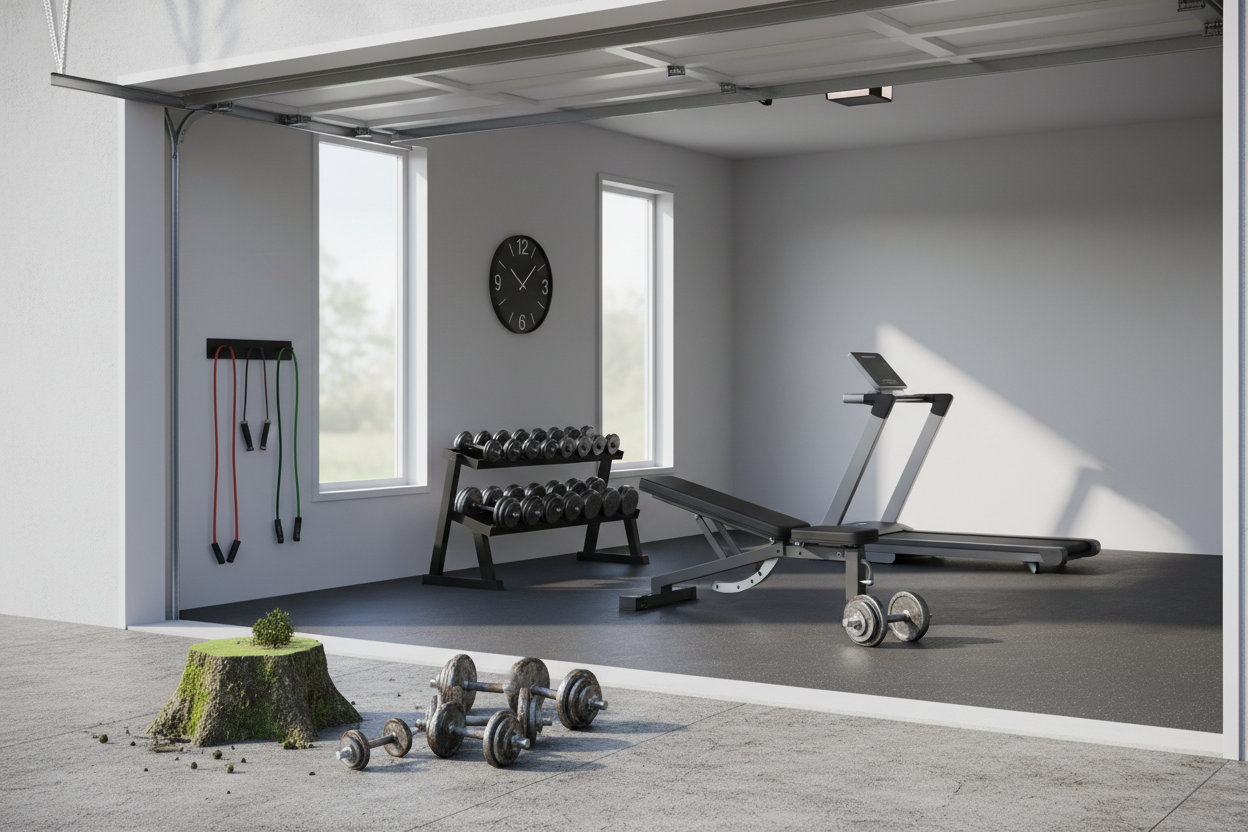
I remember the first time I decided my driveway was my new favorite gym. The sun was out, the air was fresh, and I didn't want to be cooped up in the garage. I dragged my favorite cast iron out there, crushed some sets, and then—I'll be honest—I got lazy. I left a pair of 45s on the concrete overnight. Finding the right outdoor dumbbells isn't just about what looks cool; it's about what won't turn into a pile of rust by Tuesday morning.
Quick Takeaways
- Cast iron is a rust magnet; avoid it for permanent outdoor storage.
- Urethane is the gold standard for durability but carries a premium price tag.
- Adjustable dumbbells are too fragile for yard use due to internal mechanisms.
- Rubber hex is the best middle-ground for price and weather resistance.
Why Morning Dew is the Ultimate Equipment Killer
Morning dew is basically a slow-motion car crash for your gear. I learned this the hard way after leaving a set of standard cast iron bells on my patio for a single weekend. By Monday morning, they had developed a fine coat of orange flash-rust that looked like they'd been sitting at the bottom of the ocean for a decade.
Standard indoor gym gear is designed for climate-controlled environments. The paint on cheap iron is porous, and moisture finds its way underneath the surface almost instantly. Once that oxidation starts, it’s a constant battle with a wire brush and spray paint to keep them from disintegrating. If you're planning on a weatherproof dumbbells setup, you have to think about humidity, not just direct rain.
The Myth of the Weatherproof Dumbbell
Marketing teams love to slap the word 'weatherproof' on anything with a coating, but most of it is nonsense. Take neoprene, for example. Those colorful handheld weights look like they'd handle a splash, but UV rays are brutal on them. After a month in the sun, neoprene starts to crack and peel like a bad sunburn.
Then there's chrome. It looks great in a commercial gym, but in a high-humidity environment, chrome pits. Those tiny pits turn into sharp flakes that can literally slice your palms open during a set of snatches. A legitimate outdoor dumbbell set needs to be made of materials that don't just 'resist' water, but actually thrive in the heat and cold without losing structural integrity.
What Actually Survives a Driveway Workout?
If you want gear that can live on your porch, urethane is the king. It's non-porous, UV-resistant, and doesn't have that 'rubbery' smell that gets worse when it bakes in the sun. However, urethane is expensive. For most of us, a durable rubber hex dumbbell set is the most practical choice. The rubber casing protects the iron core from the elements, and the hex shape means they won't roll down your driveway and into your neighbor's car.
The weak point on rubber hex weights is the handle. Most are chrome-plated, which will eventually rust if left out. I suggest looking for handles with a high-quality zinc coating or even stainless steel if you can find them. I've found that wiping the handles down with a light coat of 3-in-1 oil once a month keeps the 'orange handle syndrome' at bay, even if you're training in a coastal area with salt in the air.
Why You Should Never Leave Adjustables in the Yard
I love my selectorized weights, but I'm telling you now: stop leaving your adjustable dumbbells outside. These are precision pieces of engineering with plastic gears, pins, and springs. One gust of wind blows sand or grit into the dial mechanism, and you're done. Moisture gets trapped inside the housing where you can't see it, rusting the internal locking pins.
That isn't just an inconvenience; it's a safety hazard. If those internal gears fail because of corrosion, you risk a 50-lb plate sliding off the handle while it's over your face. If you want to train outdoors with adjustables, carry them out and carry them back in. Every single time. No exceptions.
Building a Minimalist Backyard Setup
You don't need a full rack of 5-lb to 100-lb weights taking up space on your patio. In fact, you'll hate moving that much iron when it's time to mow the lawn. I'm a big fan of sticking to just three pairs of weights for an outdoor setup. Pick a light pair for high-rep accessory work, a medium pair for overhead presses, and one heavy pair for rows or goblet squats.
This minimalist approach keeps your outdoor gear footprint small. Store them on a raised platform—even a simple wooden pallet—to keep them off the damp ground. This airflow prevents moisture from pooling under the rubber and rotting your weights from the bottom up. It’s about training smarter, not just harder.
FAQ
Can I use Rust-Oleum to fix my outdoor weights?
You can, but it's a band-aid. You'll need to sand the rust off completely first. It works for a season, but the paint will eventually chip again if you're dropping them on concrete.
Is urethane really worth the extra cost?
If they are staying outside 24/7, yes. Urethane won't degrade in the sun or crack like cheap rubber. If you're on a budget, stick to rubber hex and keep them covered.
How do I stop my dumbbell handles from rusting?
Keep a rag soaked in a little bit of mineral oil or WD-40 in your gym bag. Wipe the knurling down after your session. It takes ten seconds and creates a hydrophobic barrier that stops the rust before it starts.
Share:
Why the Technogym Bench Belongs in a Hotel, Not Your Garage
I Tested a $150 Men's Weight Set (And Immediately Regretted It)