
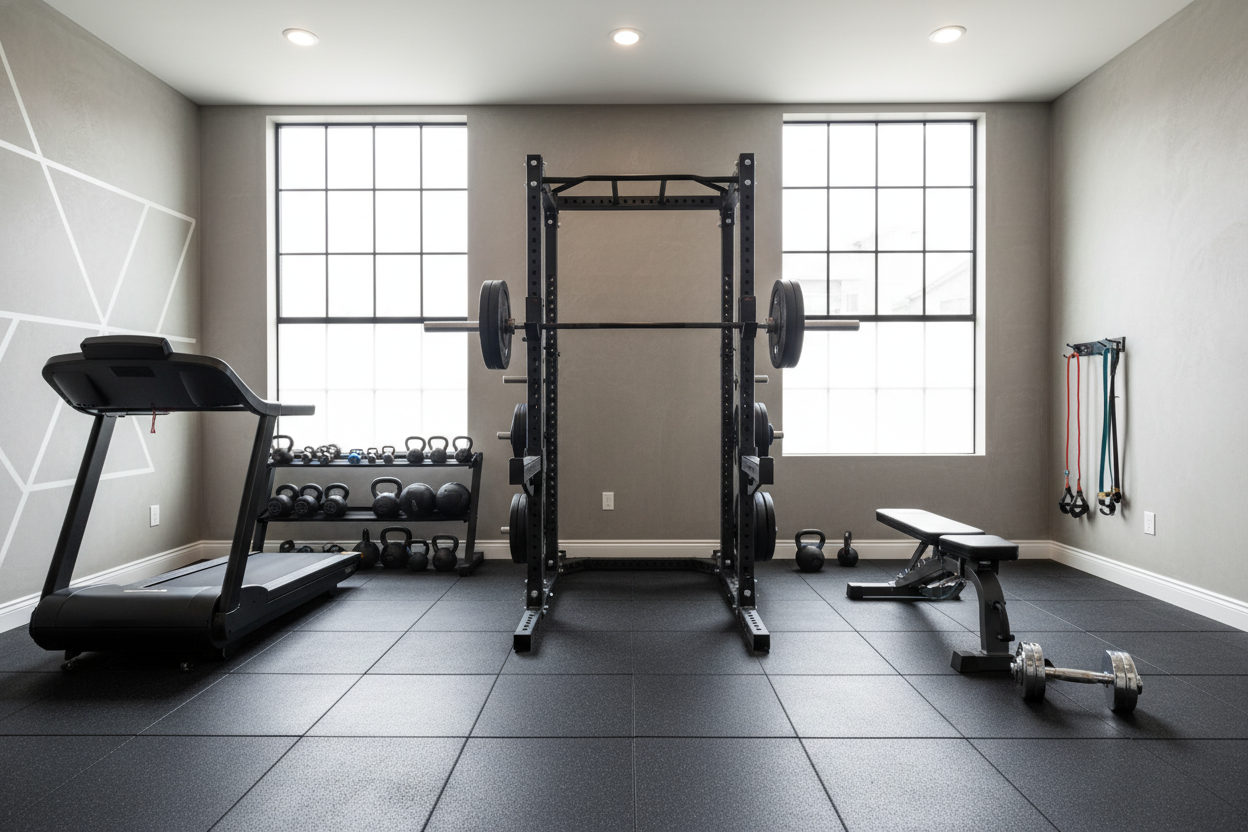
I was halfway through a set of heavy Bulgarian split squats when my 'premium' consumer bench groaned. Not a little squeak—a full-on structural shudder that sent a chill down my spine. That was the moment I realized that saving two hundred bucks on a piece of gear meant to support my body under load was a losing game. I spent the next three months sourcing elite fitness equipment directly from the pros, and my garage hasn't been the same since.
- Commercial gear is built for 24/7 abuse, not just three hours of use per week.
- Expect delivery headaches; 11-gauge steel is heavy and usually arrives on massive pallets.
- Stability is the biggest upgrade you'll notice—zero wobbles during heavy lifts.
- You don't need a full commercial line to see the benefits in your training.
The Day I Stopped Buying 'Premium' Consumer Gear
After that bench incident, I stopped looking at big-box retailers. I wanted stuff that wouldn't budge if I dropped a loaded barbell on it. I started looking at a serious home gym setup that mirrored what you'd find at a D1 strength facility. I didn't want 'home grade'—I wanted the stuff that survives a decade in an elite fitness warehouse.
The transition wasn't just about spending more money; it was about safety and feel. When you're training alone in a garage at 6 AM, you need to trust your safeties. Consumer-grade racks use thin 14-gauge steel that flexes under pressure. Upgrading to facility-grade steel changed the psychology of my heavy days. I stopped worrying about the equipment and started focusing on the PRs.
What Actually Makes a Machine 'Elite'?
It’s not the flashy stickers or the digital screens. It’s the 11-gauge steel and the 1-inch grade 8 hardware. When you use an elite fitness machine, you’re feeling the difference of linear bearings that don't catch and continuous welds that look like a stack of dimes. Most consumer gear uses 14-gauge steel; it’s thin, it rattles, and it feels like a toy once you start moving real weight.
Elite training equipment is overbuilt by design because it’s meant to handle 1,000-lb loads without flinching. This means the uprights are 3x3 inches, the pull-up bars are textured for grip, and the powder coating doesn't flake off the first time a barbell collar grazes it. It's the difference between a tool that lasts five years and a legacy piece you'll leave to your kids.
The Hidden Nightmares of Facility-Grade Steel
Here’s the part the glossy catalogs don't tell you: this stuff is massive. I tried to fit a commercial leg press through my side door and ended up taking the door off the hinges. Elite exercise equipment often has a footprint that eats half a standard two-car garage. If you're looking at heavy-duty Smith machine stations, check your ceiling height twice.
These things aren't designed for 8-foot residential ceilings—they're designed for high-clearance warehouses. Also, your concrete floor might need mats that are at least 3/4-inch thick to handle the point-load of a 600-lb rack. Shipping is another beast. You won't find this on a standard delivery truck; it arrives on a semi-trailer, and you better have a pallet jack or three strong friends ready to move it.
Where the Upcharge Actually Makes Sense
You don't need an elite version of everything. An elite barbell? Yes. An elite power rack? Absolutely. I opted for a full body multi training station because it combined the stability of a commercial rack with the versatility of a cable system. It’s where the investment pays off—you get that rock-solid feeling during heavy pull-downs or squats without the rack walking across the floor.
This is the core of a high-end elite fitness home gym. When you invest in a multi-functional station, you're replacing three or four cheaper, flimsier machines with one unit that won't move an inch. The pulleys are smoother, the weight stacks don't stick, and the frame won't twist when you're doing heavy weighted pull-ups.
How to Get the Feel Without the $10k Receipt
You don't have to buy a full line of elite fitness gym equipment to get the result. I mix and match. My rack and my main barbell are facility-grade, but my change plates and some of my accessories are standard consumer gear. By focusing on the best home gym fitness equipment essentials, you can spend your budget where it matters most: the touchpoints and the safety structures.
I once bought a 'commercial-style' functional trainer from a local shop. It looked the part, but the first time I tried a heavy crossover, the whole unit tipped forward. I had to bolt it to the floor just to keep it from killing me. Now, with the heavy-gauge steel I use, I don't even think about stability. It’s peace of mind that costs extra, but it’s worth it when you’re training alone in a garage.
Is 11-gauge steel really necessary?
If you're squatting over 405 lbs or doing heavy rack pulls, yes. It doesn't flex, which means your rack stays square and your safeties won't fail when you need them most.
Can I install this gear by myself?
You can, but I wouldn't recommend it. Most elite pieces weigh 400 lbs or more. Get a buddy, a solid impact wrench, and a level to ensure everything is bolted down straight.
Does elite gear require maintenance?
Yes. Commercial cables and guide rods need a quick wipe down and silicone spray every few months to keep that friction-free feel. It takes five minutes but doubles the life of the machine.
Share:
Your Search for 'At Home Gyms Best' Is Wasting Your Money
I Wasted $3K Finding the Best Weight Equipment for Home Gym Setups