
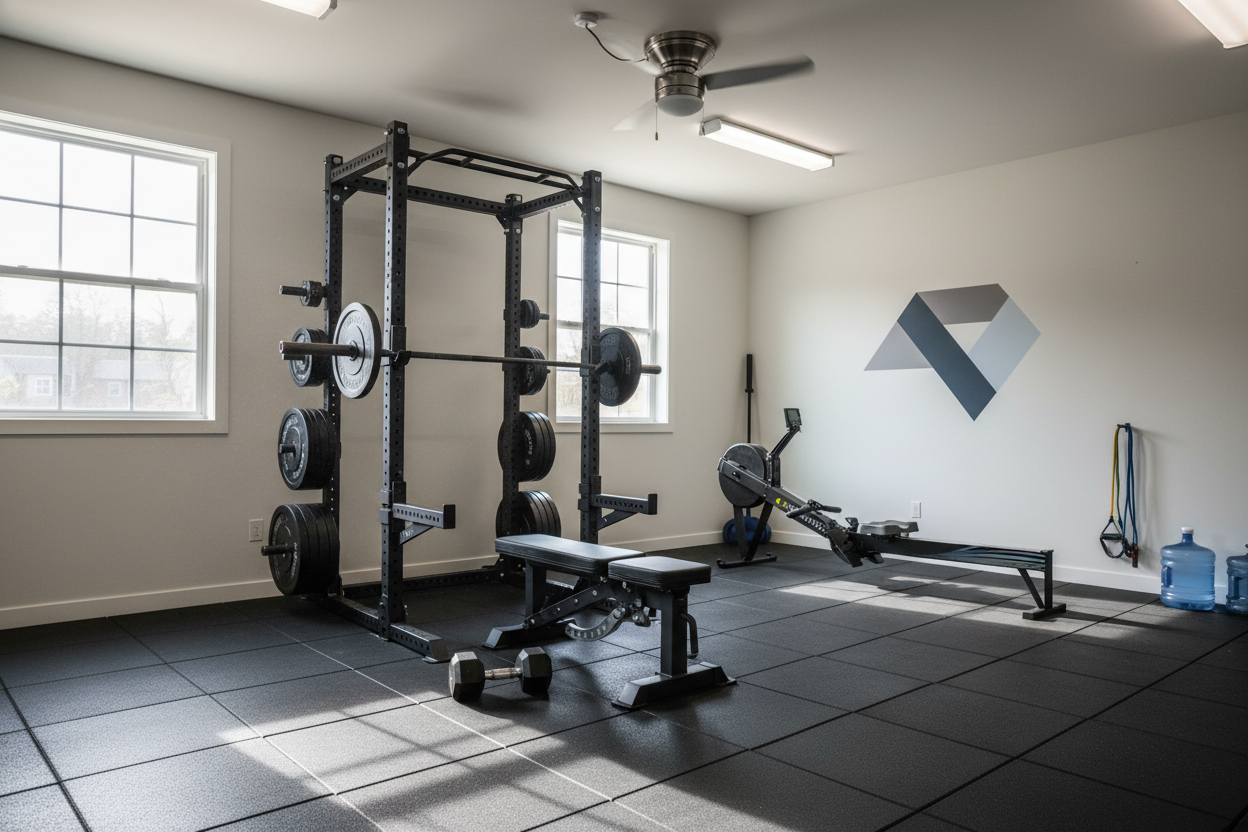
I spent years convinced that a weight bench was just a commodity. It is a piece of steel with a foam pad on top; how much could the experience really vary? I spent my early lifting years scrolling through Amazon, looking for the cheapest frame that claimed a 600-pound capacity. But after three different 'budget' models started to squeak, sway, and eventually sit at a permanent five-degree tilt, I finally caved and bought a rogue bench.
Quick Takeaways
- Stability is absolute; there is zero lateral movement even during heavy dumbbell work.
- The vinyl pad is 'sticky' enough to prevent your shoulders from sliding out during a press.
- At 125+ pounds, these are heavy and can be a chore to move in tight spaces.
- The 11-gauge steel construction makes it a 'buy once, cry once' investment.
The Breaking Point: Why I Stopped Buying Mid-Tier Frames
I used to be the king of the $200 adjustable bench. I figured if I wasn't a professional powerlifter, I didn't need the 'pro' gear. But here is what happens with mid-tier frames: the bolts eventually ovalize the holes. After six months of heavy use, you start to feel a slight wiggle when you're trying to set your lats. That wiggle turns into a distraction, and distraction is the enemy of a heavy PR.
I went through a phase of trying to find the 'hidden gem' of budget gear. I even spent weeks researching things like Can the Day 1 Fitness Adjustable Bench Handle Real Weight? just to avoid the premium price tag. But the reality is that most of those benches use thinner steel and plastic bushings that just don't hold up to 250-pound dudes moving heavy iron. I finally got tired of tightening bolts every Sunday morning and decided to buy something overbuilt.
What Actually Happens When You Lift on a Rogue Bench
The first time I laid back on an adjustable bench rogue, the difference was immediate. It doesn't feel like a piece of equipment sitting on the floor; it feels like an extension of the floor itself. When you're setting up for a rogue bench press, you need to know that the surface beneath you isn't going to shift. This bench stays put.
The pad texture is another thing people overlook. Cheap benches use a slick, vinyl-coated plastic that feels like a slip-and-slide once you start sweating. The rogue fitness bench uses a textured vinyl that actually grips your shirt. This allows for massive leg drive without your upper body sliding toward the head of the bench. It’s the difference between a shaky rep and a locked-in, powerful drive.
The 'Overbuilt' Factor Isn't Just Marketing Hype
You'll see brands brag about 11-gauge steel, and it sounds like fluff until you actually own a rogue weight bench. Most home gym benches use 14-gauge or thinner tubular steel. While that might technically hold the weight, it vibrates and flexes under load. The 11-gauge steel used in the rogue ab-3 or the rogue 3.0 is thick enough that it absorbs the energy of the lift rather than shaking with it.
The Brutal Reality of Moving 125 Pounds of Steel
Let's talk about the downside: the rogue 3.0 is a heavy beast. If you are training in a cramped one-car garage where you have to move your bench every time you want to do pull-ups or deadlifts, you are going to feel every bit of that weight. Even with the wheels, it's a lot of mass to swing around.
If you have a tiny footprint and you aren't planning on benching 400 pounds anytime soon, you might find this much steel to be overkill. For lifters with very tight spaces who need something they can move with one hand, I'd suggest looking through a more maneuverable Weight Bench collection. Not everyone needs a tank in their garage, especially if you're constantly shuffling gear to park a car.
Does Your Setup Actually Need This Much Steel?
Be honest about your numbers. If your max bench is 185 pounds and you mostly do high-rep dumbbell flyes, a rogue fitness adjustable bench is a luxury, not a necessity. You're paying for a level of tolerance that you might not be hitting yet. However, if you're a serious lifter who wants a rogue incline bench that will literally last longer than you will, it’s worth the tax.
For those who want a solid, stable platform but don't want to deal with a 130-pound premium frame that costs a fortune to ship, the Adjustable Weight Bench Owb01 is a fantastic alternative. It offers the stability you need for heavy presses without the 'overbuilt' weight that makes the Rogue models a chore to rearrange.
The Verdict: When to Splurge and When to Save
After two years with my rogue ab-3 adjustable bench, I don't regret the $600. I've spent more than that on three cheaper benches that ended up in the scrap heap. It’s a piece of gear that removes doubt from your training. You never wonder if the rogue ab3 is going to hold; you just lift.
That said, if your primary goal is hypertrophy and you find yourself doing more machine work, you might actually prefer a dedicated Weight Bench Chest Press Machine Independent Arms Z1 Pro for your chest days. But if you’re a free-weight purist, the Rogue is the gold standard for a reason. Buy it once and never look at a bench catalog again.
FAQ
Is the Rogue 3.0 bench worth it for a home gym?
If you're lifting heavy and hate equipment that wobbles, yes. It's the most stable adjustable bench I've ever used. If you're a casual lifter or short on space, it might be more than you need.
How hard is the rogue adjustable bench 3.0 assembly?
It’s straightforward but physically demanding because the parts are heavy. You’ll want a real socket wrench set; don't try to build this with the tiny tools they sometimes include. It takes about 30-45 minutes.
What is the difference between the rogue ab-3 and the 3.0?
The AB-3 is a classic, heavy-duty FID bench (flat/incline/decline). The 3.0 is the newer, more refined version with better adjustment mechanisms and a smaller gap between the seat and back pad. Most people prefer the 3.0 for standard lifting.
Share:
How to Tell Which Types of Workout Machines You Actually Need
Why Your Cable PR Is Fake (Life Fitness Weight Stack Conversion)