
I spent three weeks assembling four different budget-friendly weight machines in my garage. My floor was covered in cardboard, my wife was annoyed, and my back hurt from maneuvering 14-gauge steel. By the end of the month, I realized I hadn't built a gym; I’d built a very expensive pile of scrap metal. Most people shopping for a home weights machine are looking for convenience, but what they usually get is a wobbly mess that feels nothing like the gear at a local powerhouse.
Quick Takeaways
- Friction is the enemy: Cheap pulleys make 100 lbs feel like 50 lbs on the way up and 150 lbs on the way down.
- The '50-in-1' promise is a lie: You’ll realistically use three stations that actually feel decent.
- Space is finite: A multi-gym takes up a 6x6 foot footprint but requires another 3 feet of clearance on all sides.
- Resale value is zero: Nobody wants to buy a used, partially rusted fitness weight machines with frayed cables.
The All-In-One Multi-Gym Fantasy vs. Reality
We’ve all seen the ads for the machines for strength training that promise to replace an entire commercial gym. They show a guy doing chest presses, lat pulldowns, and leg curls all on one frame. It looks efficient. In reality, these machines are a series of compromises. To fit everything into a single workout weight machine, manufacturers mess with the biomechanics. The pivot point for the chest press is usually too high, and the leg developer is almost always designed for someone exactly 5'9' with short shins.
When I tested a popular $500 model, the 'pec deck' arms felt like they were trying to dislocate my shoulders. There was no way to adjust the seat height or the arm reach. If you don’t fit the exact mold the engineers used, the machine is basically useless for hypertrophy. A gym weight machine needs to adapt to your body, not the other way around. Most budget options just don't have the adjustment pins to make that happen.
Why Cheap Pulleys and Cables Ruin the Lift
The soul of any weight machine for gym use is the cable system. In a commercial setting, you’re usually using high-tensile aircraft cables and machined aluminum pulleys with ball bearings. On a cheap exercise weight machine, you’re getting nylon pulleys that drag against the plastic housing. This creates a 'jerky' resistance. Instead of a smooth, constant tension, the weight jumps and catches.
When you use a high-end Hammer Strength Smith machine, the bar moves as if it’s on ice. On a budget home unit, the friction is so high that the eccentric portion of the lift (the lowering phase) is almost non-existent. You’re fighting the machine more than the weight. If you’re trying to build muscle, you need that smooth transition. If the cable feels like it’s rubbing against sandpaper, you aren't getting a quality workout.
I measured the drag on one unit and found a 25% loss in tension just from pulley friction. That means if you stack 100 lbs, you're only actually lifting 75 lbs of effective resistance. It’s frustrating, inconsistent, and honestly, it makes you want to skip your workout.
The Plastic Weight Stack Problem You Didn't Think About
Most budget exercise machines with weights use 'vinyl' stacks. That’s a fancy way of saying plastic shells filled with cement or sand. These plates are thick—sometimes three inches per plate. This means a 150-lb stack is massive, yet it offers very little actual resistance for a seasoned lifter. A moderately strong person will max out the chest press on a 150-lb vinyl stack in about two months of consistent training.
Then there’s the durability issue. If you drop a cast-iron plate, it clangs. If you drop a vinyl plate on a cheap exercise machine weight stack, it cracks. Once that plastic shell leaks sand, the weight is gone, and the balance of the stack is ruined. Real machines for lifting weight use solid steel or iron for a reason. They take up less vertical space and they last forever. Don't be fooled by a high 'plate count' if those plates are made of plastic and grit.
What to Buy Instead of a Wobbly Multi-Gym
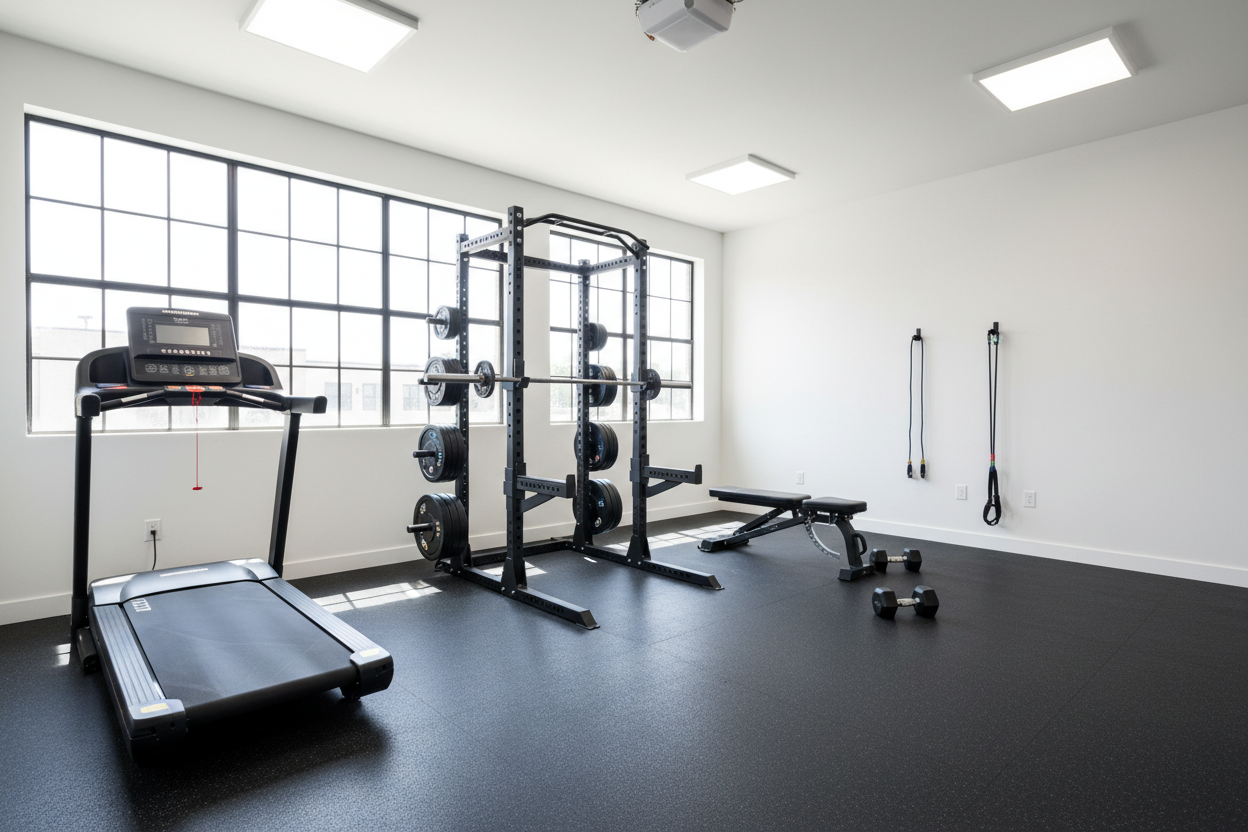
If you have $600 to $1,000 to spend, do not buy a single, massive multi-station rig. You are much better off buying a power rack and adding modular pieces. A rack gives you safety and versatility. If you really miss that machine feel, look for specific, well-engineered units. For example, instead of a crappy multi-press, get a dedicated chest press machine with independent arms. This allows you to work each side of your chest separately, which is better for fixing imbalances.
For lower body, skip the built-in leg developer on a cheap rig. They are notoriously unstable. I prefer using a leg extension curl station that attaches to a high-quality bench. It saves floor space and usually has a much better range of motion than the 'all-in-one' units. By going modular, you can upgrade pieces over time rather than being stuck with a 400-lb paperweight when one pulley snaps.
When Do Dedicated Weight Machines Actually Make Sense?
I’m not saying all machines are bad. If you have the budget and a 3-car garage, a dedicated weight training machine can be a godsend for hypertrophy. Isolation work is easier on the joints and great for finishing a workout. But you have to buy quality. A single, high-end functional trainer or a selectorized lat pulldown is worth five cheap multi-gyms.
Before you buy any big equipment, start with a sturdy weight bench. It is the foundation of every home gym. Once you have a bench and some dumbbells, you’ll realize you can do 90% of what those '50-in-1' machines promise, but with better form and more weight. Only add a standalone machine when you’ve hit a plateau that only specific isolation can fix. Until then, stay away from the budget aisles of big-box stores.
FAQ
Are home weight machines worth it?
Only if you buy mid-to-high-tier equipment. Budget machines under $600 usually have too much friction and poor ergonomics to be effective long-term.
How much space do I need for a weight machine?
Expect to dedicate at least a 7x7 foot area. You need room to move around the machine, load plates, and ensure the cables don't hit your walls.
Can I build muscle with just machines?
Yes, but you need enough resistance. Many home units max out at 150-200 lbs, which might not be enough for compound movements like rows or presses as you get stronger.
Share:
Does Full Body Home Workout Equipment Actually Build Real Muscle?
The Only Cardio Equipment at Planet Fitness Worth Your Time