
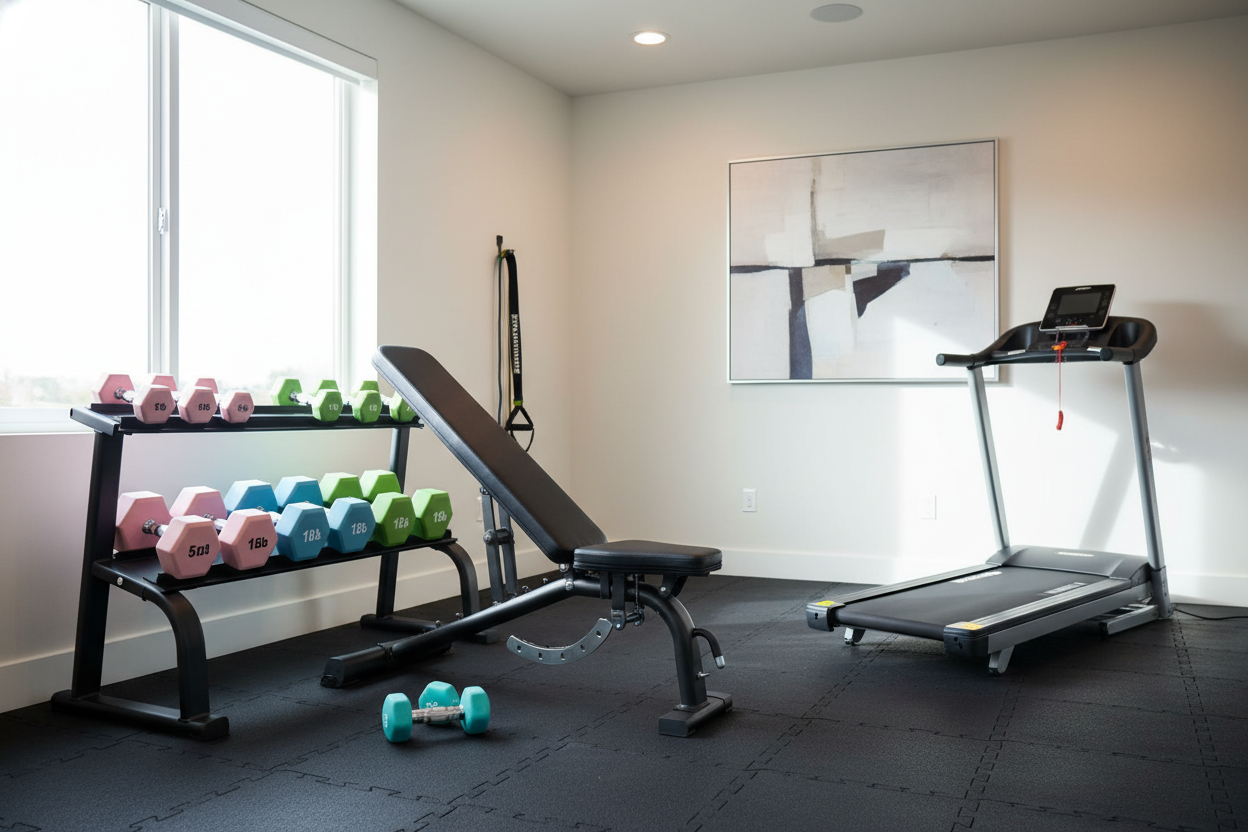
I remember staring at a pair of 5lb pink neoprene dumbbells in a big-box store thinking I was finally starting my strength training. I wasn't. I was buying a glorified paperweight. If you're currently scrolling through Amazon looking for dumbbell sets for beginners, you're likely being bombarded with ads for 'tone-up' kits that look more like toys than tools.
The truth is, most companies treat beginners like they're made of glass. They sell you light weights that you'll outgrow in two weeks, hoping you'll come back and buy the next set. It's a waste of money and garage space. I've spent a decade testing everything from $1,000 urethane sets to the cheapest Craigslist finds, and I'm here to tell you how to buy right the first time.
Quick Takeaways
- Skip the 1-10lb neoprene towers; they are useless for building muscle.
- Rubber hex dumbbells are the gold standard for durability and floor protection.
- You only need 3 to 4 specific weight increments to start, not a full rack.
- An adjustable bench is non-negotiable for real chest and back development.
Why Most 'Beginner' Weights Are a Complete Scam
Marketing teams love the 'beginner' label because it justifies selling you 20 lbs of plastic for $80. Those brightly colored 3lb, 5lb, and 8lb neoprene towers are the biggest racket in the industry. Unless you are in active physical therapy for a rotator cuff tear, you will outgrow these in three weeks. It’s better to invest in a good weight set for beginners that actually offers enough resistance to stimulate muscle growth.
Think about it: a gallon of milk weighs about 8 lbs. If you can pick up groceries, you can already out-lift half the 'beginner' sets on the market. Buying real iron or rubber-coated weights might cost more upfront, but it prevents the inevitable 'garage gym graveyard' where cheap plastic weights go to die.
Fixed Hex vs. Adjustable Blocks: The Ultimate Showdown
If you have the space, a rubber hex dumbbell set is my top pick. They don't roll away, they don't rattle, and you can drop them without a heart attack. I've dropped 50lb hexes on horse stall mats for years, and they look exactly the same as the day I bought them. They feel 'real' in a way that plastic never will.
However, if you're training in a 600-square-foot apartment, you need adjustables. Dial-style weights like Bowflex or block-style like PowerBlocks save a massive amount of floor space. The downside? They are mechanical. If you drop a dial-adjustable weight, you might break the internal plastic gearing. For a beginner, the choice comes down to your environment. If you have a garage, go hex. If you have a closet, go adjustable.
The Only Weight Increments You Actually Need to Start
You do not need a massive 5-to-50 lb rack on day one. Most of those increments are 'filler' that you'll rarely touch. To build the best starter weight set, focus on the big jumps. For most men, a pair of 15s, 25s, and 40s will cover 90% of your needs for the first six months. For women, 10s, 20s, and 30s are usually the sweet spot.
This approach saves you hundreds of dollars. You don't need 12.5lb or 17.5lb weights to make progress. You just need enough weight to make the last two reps of your set feel like a struggle. Progressive overload isn't about having every single poundage available; it's about doing more work with the tools you have.
Why Your Dumbbells Are Useless Without a Solid Bench
I see it all the time: someone buys a great set of weights and then tries to do everything standing up or lying on the floor. Floor presses are okay, but they cut your range of motion in half. You need an adjustable weight bench to actually hit your chest and shoulders properly. Being able to set a bench to an incline or decline angle changes the entire stimulus of the lift.
When shopping for a weight bench, look for a tripod design or a wide rear base. There is nothing scarier than feeling a cheap, wobbly bench shift while you have 40 lbs hovering over your face. A bench with a 600-lb capacity is the bare minimum for safety and stability.
Your 6-Month Dumbbell Survival Blueprint
Once you get your gear, maintenance is simple but vital. If you bought iron weights, wipe them down with a light coat of 3-in-1 oil once a month to prevent rust, especially in a humid garage. If you went with adjustables, check the bolts every few weeks to ensure nothing is vibrating loose.
Track your lifts. If you can hit 12 clean reps with your heaviest pair, it's time to go buy the next 10lb jump. Don't wait until the weights feel 'light'—wait until they feel manageable. That's how you know you're actually getting stronger.
Personal Experience: My $150 Mistake
Early on, I bought a 'beginner' set made of vinyl-coated sand. I thought I was being smart by saving money. One afternoon, I set a 20lb dumbbell down a little too hard on the concrete. The seam split, and gray sand started pouring out like an hourglass. I couldn't patch it, and the weight was forever unbalanced. Buy solid materials. The 'buy once, cry once' rule exists for a reason.
FAQ
Is 5 lbs enough to start?
Only for specific accessory movements like lateral raises. For your main lifts like rows or presses, you'll need at least 15-20 lbs almost immediately.
Should I get iron or rubber-coated?
Go rubber-coated if you can afford the slight premium. It keeps the noise down and prevents your weights from clanging like a Victorian factory every time you set them down.
Do I need a dumbbell rack?
Not if you only have three pairs. Just tuck them under your bench. Save the rack money for more weights or a better bench.
Share:
I Moved My Iron Outside: The Truth About Home Gym Buildings
No Space? Try an Adjustable Dumbbells Barbell Setup