
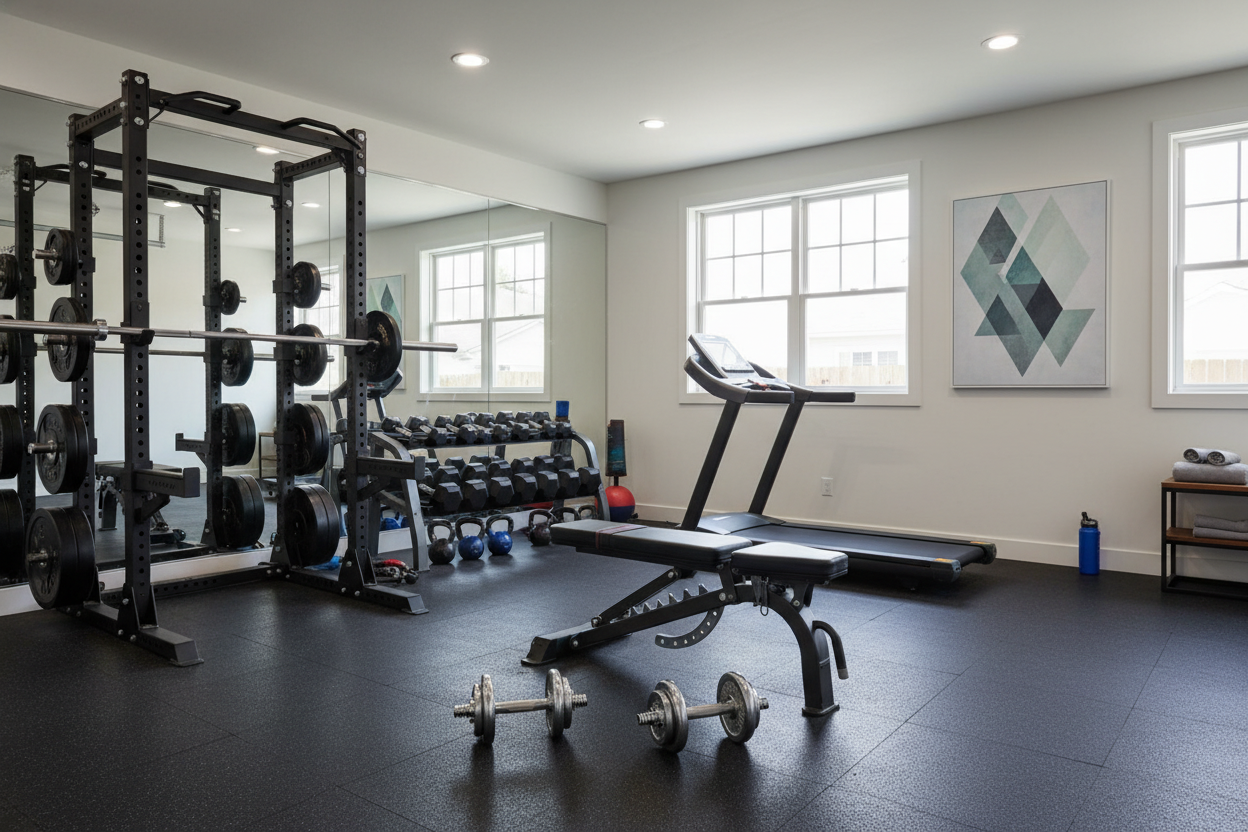
I remember the first time I ditched my commercial gym membership to build a garage setup. I spent three hours scrolling through Amazon at midnight, trying to figure out why one gym weight bench cost $100 while another cost $600. They both looked like black vinyl and steel in the photos. Then my cheap one arrived, and the first time I racked a pair of 90-pound dumbbells, the frame groaned like a sinking ship.
There is a massive difference between a piece of equipment that is 'rated' for heavy weight and one that is actually built to handle it. If you have ever felt that terrifying side-to-side sway during a max effort set, you know exactly what I am talking about. Replicating that rock-solid commercial feel at home comes down to three specific specs that most manufacturers try to hide in the fine print.
Quick Takeaways
- Static weight ratings are marketing fluff; look for steel gauge (11-gauge is king).
- High-density rebond foam is the only way to prevent shoulder 'sink' and instability.
- Tripod foot designs are superior for leg drive because they do not get in the way of your feet.
- A 17-inch height is the gold standard for powerlifting and proper ergonomics.
The Illusion of 'Weight Capacity' Ratings
You will see a lot of 'weight bench buy' listings claiming a 1000-lb capacity. Here is the dirty secret: that is usually a static rating. It means if you gently place 1000 pounds of lead bricks on the bench and do not move, it won't collapse. But the second you start moving 300 pounds dynamically, a cheap flat workout bench for home made of thin 14-gauge steel will flex and shimmy. This is how you lose your line of force and, eventually, your rotator cuffs.
A real exercise gym bench needs to be heavy. If the bench weighs less than 50 pounds, it is going to move when you do. Look for 11-gauge steel frames. This thicker steel provides the mass needed to keep the unit anchored to your floor. When you are shopping to buy exercise bench units, check the total shipping weight. If it is light, it is likely a toy, not a tool.
Pad Density: Why You're Sinking Into the Foam
Most people focus on the frame, but the pad is where the lift happens. Cheap fitness bench models use soft, open-cell foam—the kind you find in a sofa cushion. When you lay down with heavy weight, your shoulder blades sink right through the foam and hit the plywood base. This creates a wobbly surface that kills your stability. You cannot push heavy weight from a marshmallow.
Commercial-grade benches use high-density rebond foam. It feels stiff at first, but it provides a consistent platform that allows your shoulders to dig in and stay put. For example, the adjustable weight bench OWB01 uses the kind of high-density padding that supports heavy pressing without bottoming out. If you can pinch the pad and feel the wood underneath with your thumb, it is not dense enough for serious training.
The 'Pad Gap' Trap on Adjustable Models
If you are looking for a reclining weight bench, you have to look at the hinge. On a low-quality utility bench gym, there is often a massive 2 or 3-inch gap between the seat and the backrest. When you go into a slight incline, that gap ends up right under your lower back. It is uncomfortable at best and dangerous for your lumbar spine at worst.
A rolling weight bench worth its salt will have a minimized gap or a sliding adjustment mechanism. This is a key detail I looked for in my pro utility weight bench review, because a tight hinge tolerance is the mark of a well-engineered piece of gear. If the hinge has side-to-side play when you shake it, it will only get worse as the bolts loosen over time.
Footprint and Taper: The Secret to Leg Drive
Stability is not just about the steel; it is about the geometry. Many people buy a workout gym bench with a wide 'T' bar at the head and the feet. While that is stable, the front feet often get in the way of your own feet. This kills your leg drive. A pro-level weight bench gym often uses a tripod design—one single post at the front—which gives your feet all the room they need to drive into the floor.
Also, pay attention to the pad width. A 12-inch wide pad is the standard for a fitness workout bench. Anything narrower and your shoulders will hang off the sides; anything wider and it will interfere with your range of motion on the descent. Look for a sturdy weight bench collection that offers these specific dimensions to ensure your home sessions feel exactly like the ones at the local powerhouse.
When Free Weights Aren't Enough: The Machine Alternative
Sometimes, a weight bench buy is not the whole answer. If you train alone in a garage and want to push to absolute failure without a spotter, a standard exercise fitness bench can be a liability. In those cases, I usually recommend looking at a dedicated system like a chest press machine independent arms. It gives you the stability of a bench with the safety of a guided track, allowing you to grind out those last few reps without the fear of a barbell crushing your windpipe.
My Personal Experience
I once bought a 'workout bankje' from a discount site because the photos looked great. The first time I tried to do step-ups on it, the entire thing tipped over because the footprint was too narrow. I ended up with a bruised shin and a bruised ego. I learned the hard way that a bench fitness tool is the foundation of your gym. If the foundation is shaky, the whole house is coming down. I eventually sold that light-duty bench for $20 and invested in a 75-pound flat bench that hasn't moved an inch in three years.
FAQ
What is the best height for a gym weight bench?
The IPF (International Powerlifting Federation) standard is between 16.5 and 17.5 inches. This height allows most lifters to get their feet flat on the floor for maximum leg drive.
How do I know if my bench is high-density foam?
Give it the thumb test. Press your thumb into the center of the pad as hard as you can. If you can feel the hard wood or metal backing through the foam, it is too soft for heavy lifting.
Is a tripod base more stable than four legs?
For bench pressing, yes. A tripod base (one foot at the front) is just as stable as four legs but allows much better foot placement. It prevents you from tripping or having to widen your stance unnaturally.
Share:
Why the Best Home Gym Under $1000 Doesn't Have a Treadmill
How to Buy Apartment Workout Equipment Without Getting Evicted