
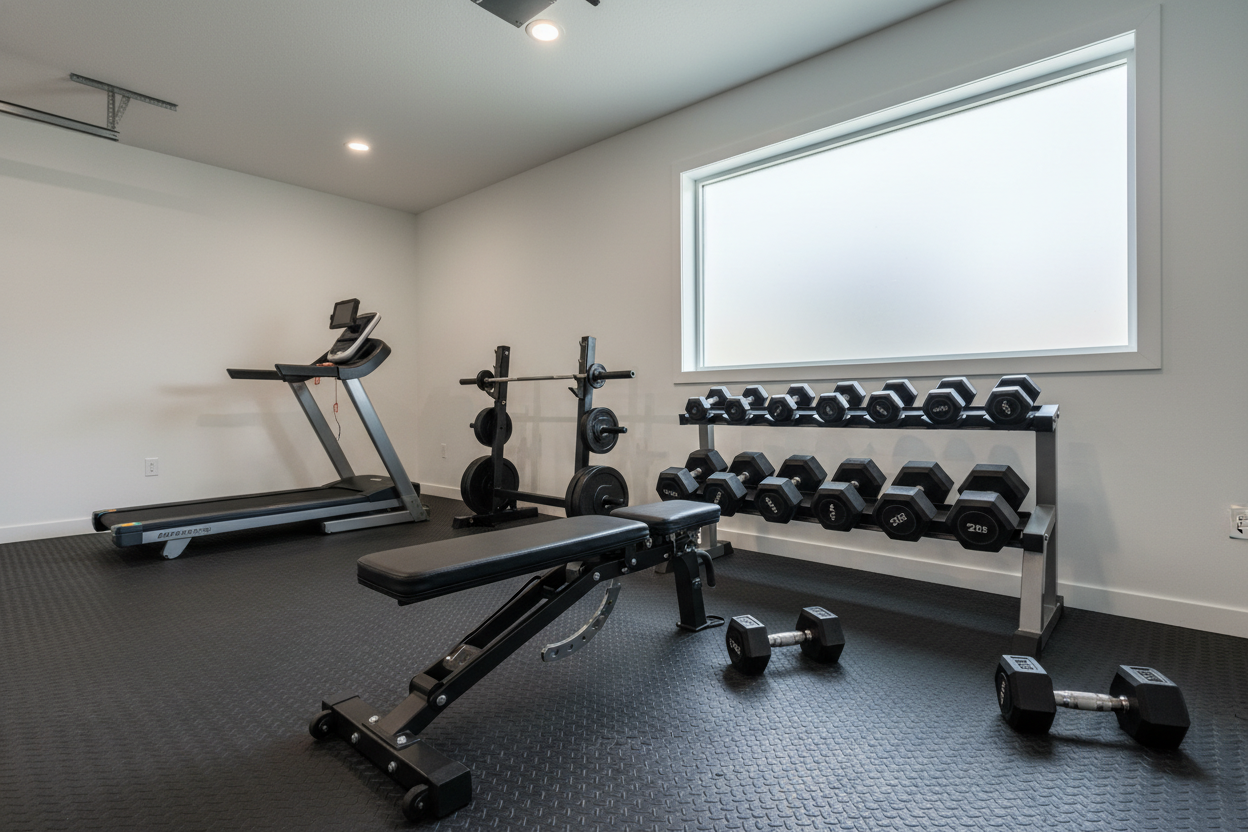
I remember the first time I priced out a full 5-50lb dumbbells set. I thought the website had a glitch. I was looking at a total that could have paid for a decent used car, and that was before I saw the three-digit shipping fee. It is a rude awakening for every garage gym owner who realizes that iron is heavy, and heavy things are expensive to move.
You are likely here because you just saw a price tag that made your eyes water. You are wondering if the dumbbell cost per pound has actually doubled overnight or if you are just looking at the wrong brands. I have spent the last decade loading, dropping, and occasionally cursing at weight sets, and I can tell you exactly what is a fair price and what is a total gouge.
Quick Takeaways
- Expect to pay $1.50 to $2.00 per pound for standard rubber hex weights.
- Shipping is the 'silent killer' of your budget; always look for flat-rate or free shipping thresholds.
- Adjustable dumbbells are cheaper upfront but lack the 'grab and go' speed of a fixed rack.
- Avoid plastic or cement-filled weights; they are a waste of money and will break within a year.
Why Is Iron Suddenly So Insanely Expensive?
The dumbbell price you see today is a far cry from the '$1 per pound' golden era. Between global logistics shifts and the sheer demand of everyone building a home gym, the baseline has shifted. When you ask how much do dumbbells cost, you aren't just paying for the metal. You are paying for the casting, the milling, the rubber coating, and the massive freight costs required to move literal tons of iron across the ocean.
The sticker shock usually comes from the shipping. Most people don't realize that a standard 5-50lb set weighs 550 pounds. Shipping half a ton of iron to your driveway requires a liftgate truck, which can easily add $200 to the dumbbell price tag. If a company offers 'free shipping,' just know that cost is already baked into the individual dumbbell cost. There is no such thing as a free lunch in the world of freight.
The Golden Rule: Dumbbell Cost Per Pound
To avoid getting scammed, you need to calculate the dumbbell price per pound for every deal you find. For a standard rubber hex dumbbell set, you should be aiming for roughly $1.50 to $1.80 per pound if you're buying a bundle. If you are buying individual pairs, that price might creep up to $2.00 or $2.25 per pound for the lighter stuff.
How much should dumbbells cost if they are premium? If you are looking at urethane-coated or custom-milled steel, you could easily see $3.50 per pound. But for a garage gym, rubber hex is the workhorse. It doesn't clank as loud, it won't roll away on an uneven floor, and it's durable enough to be 'lifetime dumbbells' if you treat them with a modicum of respect. If you see a price lower than $1.25 per pound for new gear, start looking for the catch—it’s usually low-quality iron that will chip or handles that feel like they were made of recycled soda cans.
Does the Math Change for Big Dumbbells?
Once you start looking for big dumbbells—anything over 70 or 80 pounds—the logistics change. Ground shipping (UPS/FedEx) usually caps out around 150 lbs per box, but individual huge dumbbells are often handled differently to prevent them from busting through the cardboard. This is why the cost of dumbbells per pound often jumps once you hit the heavy end of the rack.
If you are hunting for those 100lb+ monsters, you are better off buying them as part of a larger freight order. Buying a single pair of 120s can be a nightmare because the shipping might actually exceed the cost of the iron itself. When people ask how much for dumbbells of that size, I tell them to wait until they are ready to buy a full rack or a power rack to consolidate the shipping costs.
The Hidden Traps in Cheap Starter Bundles
We have all seen that suspiciously cheap discount dumbbell set deal on Amazon or at a big-box retailer. Usually, these are vinyl or plastic-coated shells filled with sand or cement. They are bulky, the handles are slippery, and if you drop them once, they leak. They are essentially disposable fitness equipment, which is the opposite of what you want for a serious home gym.
Even a basic 1 pound dumbbell set for physical therapy should be solid metal. Cheap bundles also tend to skimp on the rack. A flimsy rack that wobbles under 300 pounds of iron is a safety hazard. I have seen 'budget' racks fold like lawn chairs because someone tried to put 50s on the bottom tier. If the deal looks too good to be true, you are probably paying for 'dumbbell barbells' with threaded collars that take forever to change and eventually strip out.
Adjustable vs. Fixed: The Budget War
If you don't have $1,500 to drop on a full rack, high-quality adjustable dumbbells are the smartest pivot you can make. A single pair of adjustables can replace 15 to 30 pairs of fixed weights. While the feel isn't exactly the same—some adjustables feel 'clunky' or long—the space and money saved are undeniable.
Think about it: how much is dumbbell storage worth to you? A full 5-50lb rack takes up about 4 to 5 feet of wall space. If you are training in a cramped single-car garage, that is prime real estate. Even if the upfront price of adjustables seems high (usually $400-$600), it is still significantly less than the total cost of dumbbells in a fixed set plus the rack. Just make sure you buy a brand with a proven locking mechanism; you don't want a 50lb plate falling on your face during a bench press.
How to Build Your Setup Without Going Broke
You don't need a commercial gym's worth of iron on day one. In fact, I often argue that the best dumbbell set is probably only 3 pairs to start. If you get a light pair for lateral raises, a medium pair for curls/presses, and a heavy pair for rows/goblet squats, you can do 90% of your training. This keeps your initial dumbbell cost manageable.
As you get stronger, you can expand your dumbbell collection by adding 5lb or 10lb increments. This 'staggered' approach is how I built my gym. It allows you to hunt for sales and used gear without the pressure of needing everything at once. Don't let the 'how much do dumbbells cost per pound' math scare you away from starting. Buy what you need for your current program, and let the rest of the rack grow with your strength.
Personal Experience: The 'Smell' of Cheap Iron
Early in my lifting days, I bought the cheapest hex dumbbells I could find. They arrived, and my garage immediately smelled like a tire fire. The off-gassing from the low-grade rubber was so bad I had to leave the door open for a week. To make matters worse, the 'chrome' on the handles started flaking off within a month, slicing my palms during rows. I saved maybe $50 compared to the name-brand stuff, but I regretted it every time I picked them up. I eventually sold them for a loss and bought quality iron. Buy once, cry once.
Frequently Asked Questions
How much are dumbbells per pound on average?
Currently, you should expect to pay between $1.50 and $2.00 per pound for standard rubber hex dumbbells. Premium urethane or specialty brands will be higher, often exceeding $3.00 per pound.
Is it cheaper to buy dumbbells in a set or individually?
Buying a set is almost always cheaper because manufacturers can ship them via freight on a single pallet, and they usually offer a 'bundle' discount on the iron itself.
Why does the cost of dumbbells fluctuate so much?
It's mostly down to the cost of raw iron and international shipping rates. Since most dumbbells are cast overseas, any spike in fuel or container costs hits the consumer directly.
Share:
Does an All-in-One Machine Actually Equal a Complete Gym for Home?
How I Built the Best Home Gym for Legs in a 1-Car Garage