
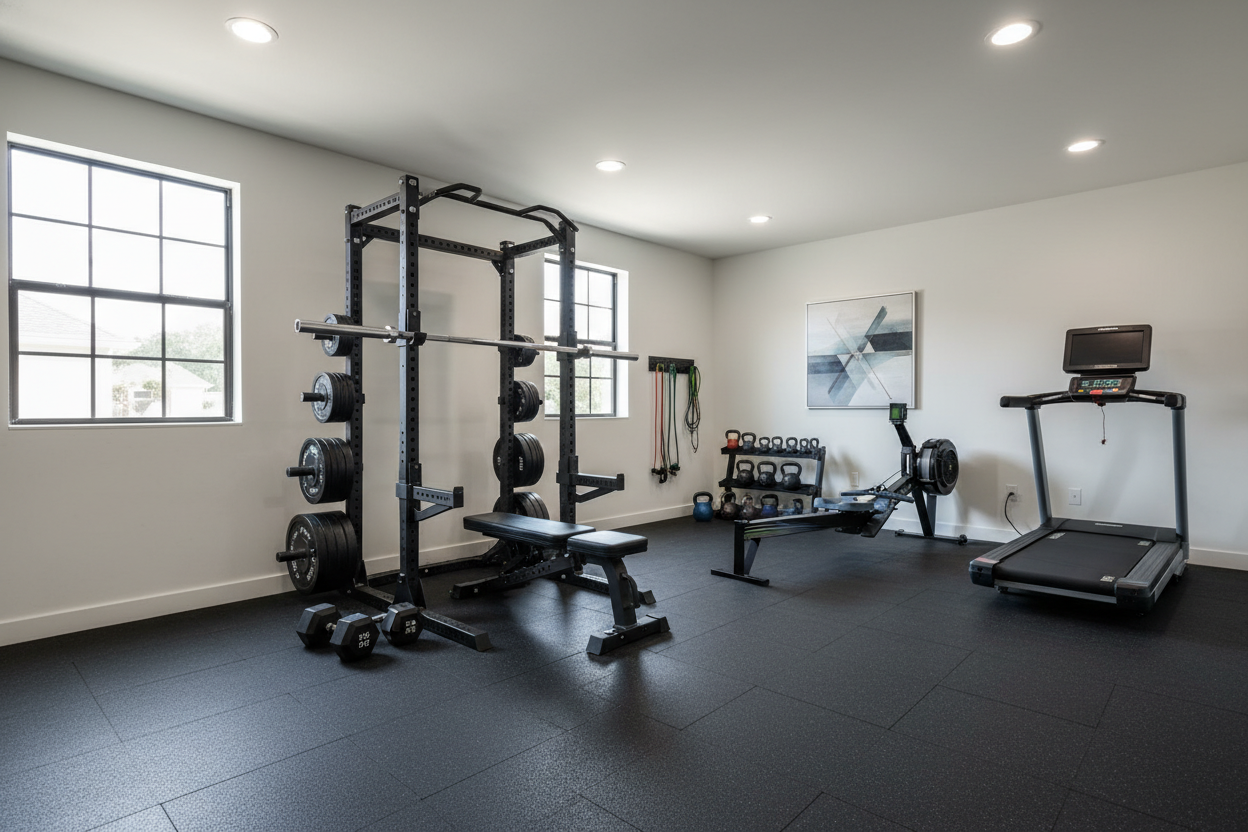
I remember the day I finally sold my wobbly, bolt-together rack. I was tired of the uprights swaying during 315-pound squats and the feeling that my gear was a safety hazard. I decided to bite the bullet and build one of those elite home gyms you see on Instagram, thinking the five-figure price tag would magically fix my plateau. It didn't, but it did teach me exactly where the money goes—and where it's wasted.
Quick Takeaways
- Elite gear focuses on 11-gauge steel and tight tolerances, not just pretty colors.
- Floor stability is the most overlooked part of a high-end build.
- You pay for the 'feel'—think butter-smooth bearings and aggressive knurling.
- Overspending on aesthetics won't add a single pound to your total.
What Does 'Elite' Actually Mean Anyway?
In the equipment world, 'elite' is often used as a marketing buzzword, but there is a technical threshold. We are talking about 11-gauge steel, 3x3-inch uprights, and oversized hardware. While a standard home gym might use 14-gauge steel that flexes under heavy loads, a true premium rack feels like it's part of the foundation of your house.
It also comes down to tolerances. Cheap gear has 'slop'—holes that aren't quite centered or J-cups that wiggle. When you're handling heavy weight, that millimetre of movement matters. You aren't just paying for the brand; you're paying for the peace of mind that the steel won't shear when you fail a rep.
The Point of Diminishing Returns in Premium Gear
There is a cliff where your money stops buying performance and starts buying vanity. You will absolutely feel the difference between a $150 barbell and a $600 barbell. The knurling on a high-end bar should feel like it's glued to your palms without slicing them open. You'll feel it in the sleeves, too—high-quality bearings spin forever, which saves your wrists during cleans.
Where do you lose? Custom Cerakote colors and laser-cut logos. A rack powder-coated in 'Electric Plum' looks great for the 'gram, but it doesn't support the weight any better than basic black. If you're on a budget, put your money into the moving parts—the bars, the pulleys, and the hinges—rather than the paint job.
Why Your Floor Matters More Than Your Rack
I see guys drop five figures on a rack and then bolt it into a cracked garage floor or, worse, stack it on squishy foam tiles from a big-box store. If your foundation isn't level and dense, your $3,000 rack is useless. You need a gold standard 4x8 gym mat made of high-density rubber.
A proper floor ensures your bar path stays true. If one side of your rack is an eighth of an inch lower because of a soft spot in the floor, you're training a muscle imbalance every single session. Don't build a mansion on a swamp.
The Anchor Piece: Free Weights vs. Guided Steel
The centerpiece of any high-end space is usually the big debate: power rack or smith machine? If you're a purist, the rack is king. It offers total versatility for the big three lifts. However, in a truly elite setup, you often see people moving toward high-end functional trainers that combine both.
The goal of an elite space is to maximize training economy. You want to be able to move from a heavy squat to a cable fly without spending twenty minutes swapping attachments. This is where the price tag really climbs—precision-machined weight stacks and aircraft-grade cables aren't cheap.
The Rise of Luxury Linear Bearings
Guided equipment used to get a bad rap for being clunky. That has changed. A modern, commercial-grade smith machine home gym station uses linear bearings that are so smooth they feel frictionless. For high-volume hypertrophy work or training around an injury, this level of precision is a massive advantage.
When you're paying for the top-tier version of these machines, you're paying for the lack of 'sticking points' in the guide rods. Cheap machines bind up when the weight gets heavy; elite ones don't.
Should You Actually Build an Elite Home Gym?
Here is the reality check: an elite setup is for the person who treats training like a second job. If you're a competitive powerlifter or someone who has spent a decade in the trenches, the upgrade is worth every penny. The precision of the equipment allows you to focus entirely on the lift rather than the gear.
However, if you're just looking to stay in shape, you don't need a $15,000 setup. You can get 90% of the results with 20% of the budget. Build your gym for the lifter you are today, not the influencer you want to be on social media.
Personal Experience: My $2,000 Mistake
When I first started upgrading, I bought a massive, 10-piece selectorized circuit from a closing commercial gym. I thought I was being 'elite.' It took up my entire garage, half the cables were frayed, and I couldn't even park my car. I eventually sold it all for a loss and went back to a high-end rack and a single functional trainer. Lesson learned: 'Elite' means quality and efficiency, not just having the most stuff.
Frequently Asked Questions
Is 11-gauge steel really necessary?
For most people, 14-gauge is fine. But if you're squatting over 400 pounds or plan on bolting heavy accessories like dip stations to your rack, 11-gauge is the standard for safety and stability.
What is the most important piece of 'elite' gear to buy first?
The barbell. It is your primary point of contact with the weight. A high-end bar with proper whip and knurling will change your lifting experience more than any other single item.
Do I need to bolt my rack to the floor?
If it's a flat-foot rack, usually no. But for 'elite' setups with plate storage and pull-up bars, bolting it down (or into a platform) is always the safer, more stable choice.
Share:
Stop Guessing Your Planet Fitness Smith Machine Barbell Weight
I Ditched the Commute: At Home Workouts vs Gym Results