
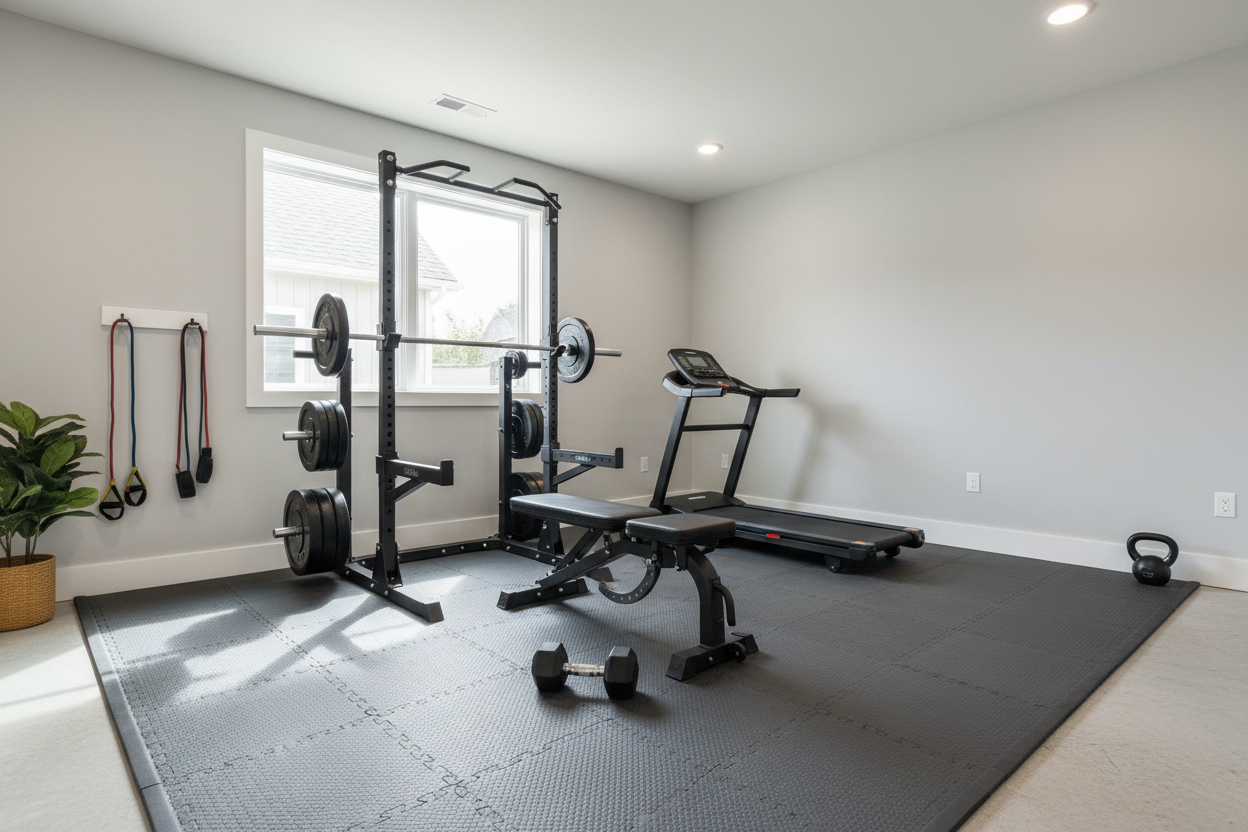
I remember the exact moment I decided to quit my commercial gym. I was standing in line for a squat rack behind a guy doing curls, while a 'maintenance' sign hung off the only functional cable machine. I went home and started scrolling for the best home gyms under $500, thinking I could just buy my way out of the frustration. What I found was a lot of shiny, plastic junk that looked like it would snap if I actually tried to lift heavy on it.
Quick Takeaways
- Avoid all-in-one 'cable stations' under $400; the pulleys are almost always plastic and prone to snapping.
- Prioritize a solid flat bench and a pair of adjustable dumbbells if you have limited space.
- The used market is your best friend for scoring real iron plates and barbells.
- Independent squat stands are the secret to a heavy-duty setup in a small room.
The $500 Reality Check: Expectation vs. Reality
Let's be real: five hundred dollars is a weird price point in the fitness world. It is too much to spend on a doorway pull-up bar and some bands, but it is barely enough to buy a high-end power rack from the big names. If you walk into this thinking you are getting a commercial-grade functional trainer with a 300-lb weight stack, you are going to be disappointed. Most of those machines at this price use 14-gauge steel that wobbles when you breathe on it.
The reality is that a smart buyer doesn't buy a 'gym-in-a-box.' You buy a foundation. You want equipment that doesn't have a ceiling. If you buy a cheap machine with a 100-lb stack, you are done in two months. If you buy a barbell and some stands, the only limit is how much iron you can find on Craigslist.
The Wobbly Multi-Gym Trap (And What to Buy Instead)
I see people constantly searching for a home gym under 300 or a home gym under $400, and they almost always end up with a generic multi-gym from a big-box retailer. These things are the sirens of the fitness world. They promise 50 exercises, but they do all of them poorly. The range of motion is usually designed for someone 5'8' and not an inch taller, and the cables feel like they are dragging through sand.
Instead of falling for the 'all-in-one' marketing, I always suggest looking into modular home gym packages. By picking up a basic rack and a bench first, you are getting 11-gauge or 12-gauge steel that can actually support a 400-lb squat without tipping over. You can always add a lat pulldown attachment later when you have another hundred bucks. Don't trade stability for variety; you can't get strong on a machine you don't trust.
Setup 1: The Barebones Iron Sanctuary
If you want to move heavy weight, this is the path. To keep a total home gym under 500, you have to be tactical. I’d start with independent squat stands. They are usually rated for at least 500 lbs and can be tucked into a corner when you aren't using them. Pair those with a basic flat utility bench—skip the incline for now if it saves you $50 that you can put toward a better bar.
The barbell is where you don't skimp. Look for a 20kg Olympic bar with at least a 150k PSI tensile strength. You can often find used iron plates for about $0.50 to $0.80 a pound if you're patient. This setup allows for the 'Big Three' lifts and will last a lifetime. Eventually, you'll find yourself hitting PRs and considering upgrading your budget to $1000 to add a full power cage and bumper plates, but this barebones setup is a world-class start.
Setup 2: The Heavy Dumbbell Arsenal
Not everyone has a garage or a basement. If you are training in a spare bedroom or a studio apartment, a barbell is a liability. For home gym equipment under $350, you can grab a set of adjustable dumbbells that go up to 50 or 52.5 lbs per handle. This is the ultimate move for maximizing a small footprint while still having enough resistance to build real muscle.
Combine those dumbbells with a solid adjustable bench. At this price point, look for a bench that has a ladder-style adjustment rather than a pin-pull; it's faster and usually more stable. You can do chest presses, rows, Bulgarian split squats, and overhead work all within a 6x6 foot space. It is quiet, efficient, and won't leave marks on the floor like a dropped 45-lb plate will.
How to Maximize Every Dollar on the Used Market
To score a premium home gym under $450, you have to become a shark on the secondary market. I’ve bought and sold dozens of pieces of gear, and the best deals come from people who bought a 'New Year, New Me' kit and realized they'd rather use the treadmill as a clothes rack. When you go to look at a used bar, bring a tape measure to check if it's straight and give the sleeves a spin. If they grind, walk away.
Don't be afraid of a little rust on iron plates. A $10 can of 3-in-One oil and a wire brush can make a rusty plate look brand new in twenty minutes. Negotiate by offering cash and immediate pickup. Most sellers just want the heavy stuff out of their garage, and being the person who shows up with a truck and cash will get you the best price every time.
The Final Verdict: Your Best Bet for Under 500 Bucks
The best home gym under 500 isn't a single item you buy with one click. It's a curated kit. My personal recommendation? Buy a pair of heavy-duty squat stands, a flat bench, and the best used Olympic barbell set you can find. It might not look as fancy as the machines in the infomercials, but it won't break, it won't wobble, and it won't limit your progress. Build a foundation of iron, and the results will follow.
FAQ
Is a $500 home gym safe?
Yes, provided you buy free weights and steel stands. Avoid cheap cable machines with low weight ratings. A 2x2 inch steel squat stand is significantly safer than a flimsy multi-gym made of thin-walled tubing.
Can I get a treadmill and weights for under $500?
Probably not if you want quality. A decent motorized treadmill usually starts at $600 alone. For a sub-$500 budget, stick to strength equipment or look for a used non-motorized rower.
What is the first thing I should buy?
A bench. Even if you only have one set of dumbbells, a solid bench opens up dozens of movements like rows, presses, and step-ups that are hard to do effectively on the floor.
Share:
Are Companies That Build Home Gyms Worth the Massive Markup?
No Space for a Sled? How to Rig a Heavy Cable Leg Press