
I spent three years stuck on the same 10-pound lateral raise. Every time I reached for the 15s, my form disintegrated into a mess of shrugging traps and swinging hips. It felt like hitting a brick wall made of iron and ego. Finally, I got tired of the plateau and went searching for 14 lb dumbbells to bridge the gap.
- Standard 5-lb jumps are too aggressive for small muscle groups like the lateral delts.
- Micro-loading with 14-pounders allows for consistent progressive overload without compromising form.
- Most standard racks have a 'dead zone' between 10 and 15 lbs that stalls hypertrophy.
- Odd-weight dumbbells are often easier to find in studio-style neoprene or high-end adjustable sets.
The 50% Jump That Wrecks Your Shoulders
Let’s talk about the math that most gym bros ignore. When you go from a 50-lb dumbbell to a 55-lb dumbbell on a bench press, you are increasing the load by 10%. Your chest and triceps can handle that. But when you move from 10 lbs to 15 lbs on a lateral raise, you are asking your side delts to handle a 50% increase in load overnight.
It is madness. Imagine trying to add 150 lbs to your squat in a single session. That is essentially what you are doing to your rotator cuffs when you skip those middle increments. I noticed my shoulders were constantly cranky, and my 'side delts' workout was mostly just me practicing how to use momentum to cheat the weight up.
The 14-pounder is the missing link. It sounds like a tiny difference, but those four extra pounds (two per arm) are exactly what you need to keep the tension on the muscle rather than the joints. I found that by using a slightly heavier, non-standard weight, I could actually complete my sets of 12 with a three-second eccentric phase. You can't do that when you're fighting for your life with 15s.
The Math Behind Micro-Loading
Progressive overload is the law of the land, but it doesn't have to be a sledgehammer. It can be a scalpel. For isolation movements, the goal is to maximize tension on a very specific, relatively weak muscle. The side delt is not the gluteus maximus; it doesn't need massive jumps to grow. It needs precision.
Physics plays a role here too. Because the dumbbell is at the end of a long lever (your arm), every single pound is magnified. A 14-lb weight feels significantly heavier at the top of a lateral raise than it does at the bottom. By hitting that sweet spot, you’re able to stay in the 8-12 rep range for hypertrophy without falling into the 'rehab weight' category of 5 or 10 lbs.
I have found that I use 17.5 lb dumbbells more than my 20s for the exact same reason. The jump from 15 to 20 is another 33% increase. By filling these gaps, you ensure that every workout is actually better than the last, rather than just being a repetitive struggle with a weight you aren't ready for yet. It's about maintaining the stimulus-to-fatigue ratio.
Where Do You Even Find a 14-Pounder?
You won't find 14-pounders at your local big-box sporting goods store. They usually stock the standard 5, 10, 15, 20 progression because it's cheaper to manufacture. To get the 'weird' weights, you have to look at specialized studio equipment or neoprene-coated weights often used in barre or Pilates classes. They might be bright purple, but your delts won't care about the color when they're finally growing.
If you don't want a rack full of colorful neoprene, the best solution is a versatile setup. Some high-quality adjustable dumbbells allow for 2.5-lb increments, which can get you to 12.5 or 15, but rarely that specific 14-lb mark unless they use a magnetic add-on system. Micro-loading plates that snap onto the ends of existing dumbbells are another great hack for home gym owners.
When you are shopping for new dumbbells, look for brands that sell individual pairs rather than just pre-set bundles. This allows you to cherry-pick the odd sizes that fit your specific weak points. I personally keep a pair of 12s and 14s tucked under my main rack. They don't take up much room, and they get used more than my 50s do on a weekly basis.
Are Odd-Weight Pairs Actually Worth the Garage Space?
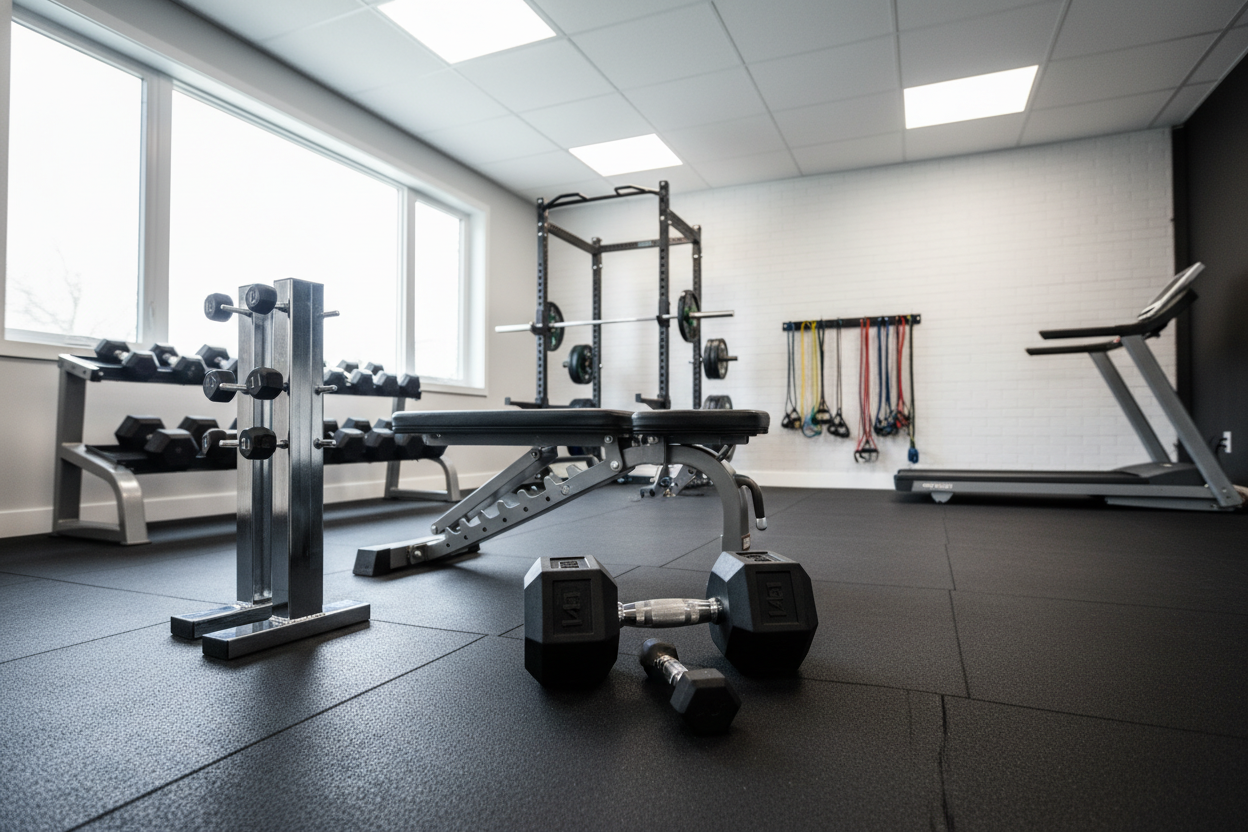
Space is the ultimate currency in a home gym. I get it. You don't want a cluttered floor. A standard rubber hex dumbbell set is the foundation of most gyms, and for good reason—it's durable and predictable. But a foundation isn't a finished house. If you are serious about bodybuilding or fixing shoulder imbalances, those gaps in your rack are costing you progress.
The downside of buying individual odd pairs is the cost. Shipping a 28-lb package of iron isn't cheap, and the price-per-pound is always higher when you buy outside of a set. However, compare that $40-$60 investment to the cost of a physical therapy session for a strained rotator cuff. Suddenly, the 14s look like a bargain.
I'll be honest: my gym looks a bit chaotic with a mix of hex heads, neoprene, and adjustable handles. It’s not 'Instagram perfect.' But I’m not training for a photo shoot; I’m training for results. If a pair of 14-lb weights helps me break a three-year plateau, they earn their spot on the floor every single time.
How to Program the Weird Middle Weights
Don't just swap your 10s for 14s and call it a day. I like to use them in a 'top-down' approach. Start your first two sets with the 14s while you are fresh, focusing on a hard squeeze at the top of the movement. When your form starts to flicker, drop back down to the 10s and finish the set with high-rep burners. This 'mechanical drop set' is a killer for growth.
They are also perfect for rear delt flyes. Most people go too heavy on rear delts and end up using their rhomboids and traps to move the weight. The 14-lb sweet spot is heavy enough to provide resistance but light enough to keep the movement isolated to the posterior delt. I also use them for 'Zottman Curls' and slow-tempo overhead presses during deload weeks.
If you’re doing rehab or prehab, these increments are non-negotiable. Strengthening the small stabilizing muscles of the shoulder requires incremental stress. Going from 'too light' to 'too heavy' is the fastest way to stay in a cycle of chronic inflammation. Buy the 14s, leave your ego at the door, and watch your shoulders actually start to cap out.
FAQ
Can't I just use 12.5 lb magnets?
You can, and I do for some movements. However, magnets can be finicky on rounded dumbbell ends and can fly off if you're doing explosive movements. A dedicated 14-lb dumbbell feels more balanced and secure in the hand.
Why 14 lbs specifically and not 13 or 12?
12 lbs is a common jump, but 14 lbs represents that final hurdle before the standard 15-lb weight. It’s often the 'tipping point' where form breaks down. If you can master the 14s, the 15s will feel like a breeze.
Do these come in rubber hex?
It is very rare to find 14-lb rubber hex dumbbells. You are almost always looking at cast iron or neoprene. If you hate the look of neoprene, you can always spray paint them black to match your rack.
Share:
How to Pick a Machine for Squats That Won't Crush Your Spine
I Replaced Barbell Rows With an Upper Back Exercise Machine