
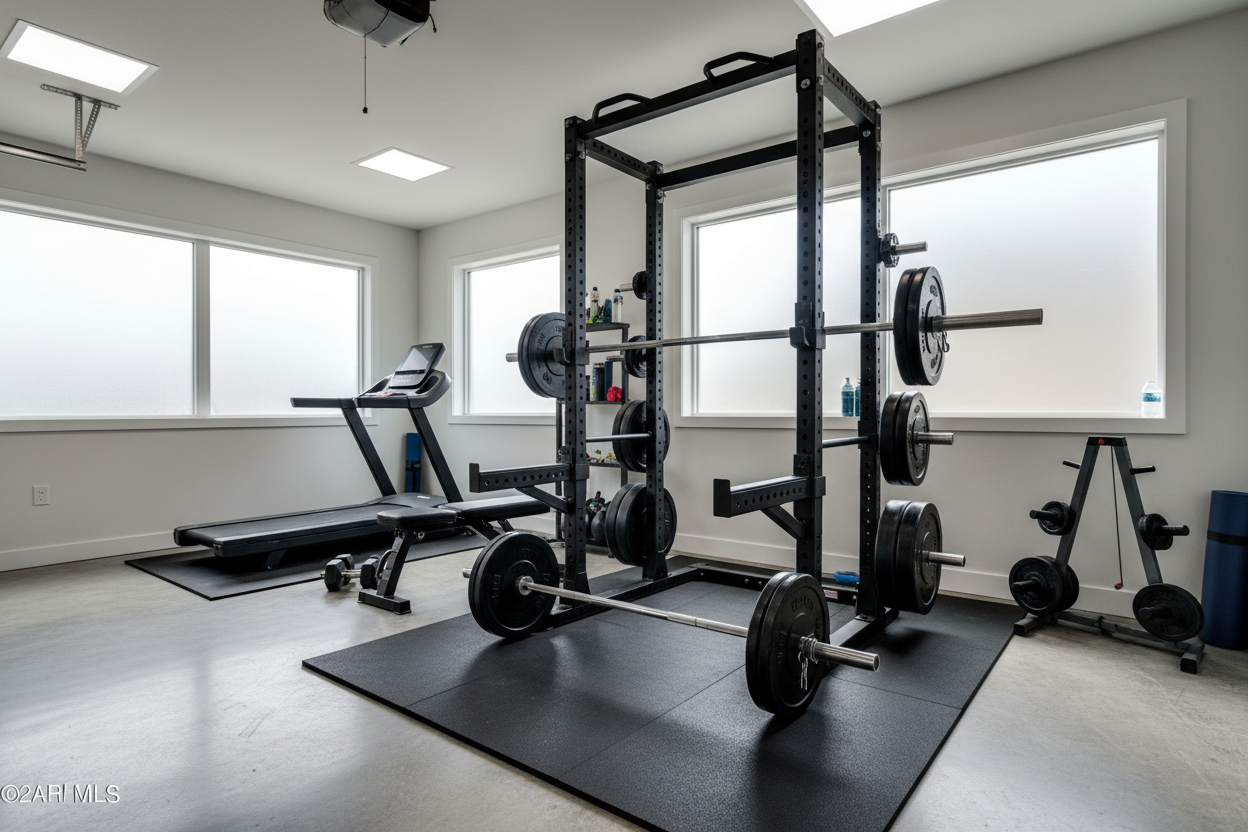
I spent three years sitting in padded chairs, pushing levers and thinking I was a beast. I could max out the leg press and pin the stack on the chest press machine. I felt invincible until the day I stepped into a real black-iron gym and tried to use a gym weights barbell for the first time. I almost fell over with just the empty bar.
The reality is that machines lie to you. They handle the stabilization, the path of motion, and the balance. When you finally grab a bar, you realize your 'strength' was just a series of coordinated pushes against a fixed track. If you want to actually be strong, you have to ditch the cables and embrace the wobble.
Quick Takeaways
- Machines ignore your stabilizer muscles; barbells force them to wake up or fail.
- A standard 20kg (45lb) Olympic bar is the gold standard for home gym versatility.
- Cheap 'starter sets' with plastic plates are a waste of money you will replace in six months.
- Barbell training builds functional strength that translates to the real world, unlike seated machines.
The Day I Realized Machine Weights Were Lying to Me
I remember confidently loading up three plates on each side of a track-guided chest press. I was the king of that commercial gym. The next day, I walked over to a flat bench and tried to replicate that weight with a barbell. I couldn't even control the descent. The bar was shaking like a leaf because my rotator cuffs and serratus muscles had never worked a day in their lives.
Machines often use pulleys and counterweights that make the load feel lighter than it actually is. For instance, the Freemotion Smith machine bar weight can be incredibly misleading because of how the cables assist the lift. You think you're moving 45 pounds, but the effective resistance is often much less. When you switch to a raw bar, there is no help. It is just you versus gravity, and gravity doesn't have a pulley system.
Why Free Weight Bars Feel Completely Different
When you use free weight bars, you are responsible for three dimensions of movement. On a machine, you only move up and down. With a barbell, you have to keep the weight from drifting forward, backward, or tilting side-to-side. This 'instability' is actually a feature, not a bug.
This is where 'stabilizer strength' comes from. Your core has to brace to keep your spine neutral. Your small shoulder muscles have to fire to keep the bar level. If you only ever train on machines, you develop 'hollow strength'—you have big prime movers like quads and pecs, but the supporting structure is weak. A barbell fixes that by forcing every muscle to participate in every rep.
Setting Up Your First Free Weight Zone at Home
If you're tired of your basement looking like a graveyard for bulky, single-use machines, it's time to pivot. You can do 90% of your training with a single free weights weight bar and a small patch of floor. It’s the most efficient use of space you’ll ever find.
The first thing you need is a floor that can handle a drop and a heavy-duty weight bench. Don't cheap out on the bench. If you're going to be pressing a heavy bar over your face, you want a frame that won't wobble or flex. A solid bench and a rack are the foundation of a real home gym. Once you have those, you can do everything from squats and lunges to rows and overhead presses in a 6x8 foot space.
The Trap of the Big-Box Store Starter Kit
We’ve all seen them: the 'all-in-one' weight bar with weights kit at the local sporting goods store for $199. Avoid these like the plague. They usually come with a 1-inch 'standard' bar that is hollow or made of cheap, soft steel. These bars often have a weight capacity of only 200 lbs, which you will outgrow in a few months of deadlifting.
Worse are the plastic-coated, cement-filled plates. They are bulky, they leak sand when the plastic cracks, and they don't fit on real Olympic bars. Buy a 2-inch Olympic barbell once. Even a mid-range bar with decent knurling will last you a lifetime. It’s better to have two real iron plates than a dozen plastic ones that are going to end up in a landfill.
Rebuilding Your Lifts From the Ground Up
When you make the switch, you have to leave your ego at the door. You will not be able to lift as much on a bar as you did on a machine. Start with the 'Big Four': Squat, Bench Press, Deadlift, and Overhead Press. Master the mechanics with just the bar before you start sliding plates on.
If you're worried about losing the 'pump' or the specific isolation you get from machines, look for versatile equipment. I often recommend a bench with a barbell rack that includes a leg developer. This allows you to keep the heavy, free-weight compound movements as your main course while still having the option for those machine-style leg extensions and curls at the end of your workout. It's the best of both worlds for a home setup.
FAQ
Is a barbell better than dumbbells for beginners?
Yes, usually. A barbell allows you to move more weight and is easier to load in small increments. It provides a more stable platform to learn the basic movement patterns before you move to the high-level stabilization required for dumbbells.
What is the difference between a standard and Olympic bar?
Olympic bars have 2-inch diameter sleeves and are built to handle much higher weights (500-1,000+ lbs). Standard bars are 1-inch thick and are generally flimsy. Always go Olympic if you're serious about training.
How much space do I need for a barbell?
A standard Olympic bar is 7.2 feet long. You need a space at least 10 feet wide to comfortably load and unload plates without hitting your walls. A 10x10 area is the 'sweet spot' for a home lifting zone.
Share:
Why That 1-Inch Standard Straight Bar Is Costing You Gains
Why Most Home Workout Equipment for Men Is a Total Rip-Off