
I remember scrolling through a 'tactical' fitness site at 2 AM, convinced that if I just had a sand-colored power rack, my overhead press would magically jump 20 pounds. I spent way too much on a weight vest that smelled like a chemical factory and ripped the first time I did burpees. The truth is, most military exercise equipment marketed to civilians is just overpriced steel painted in Flat Dark Earth.
I have spent years building out garage gyms and testing everything from decommissioned surplus to high-end functional trainers. If you are trying to build a body that can actually move, you need to stop buying into the 'operator' aesthetic and start looking at the specs. Most of the gear that claims to be combat-ready wouldn't last a week in a real motor pool, and the stuff that does is usually too bulky for your spare bedroom.
Quick Takeaways
- 'Military grade' is often a marketing term for 'heavy and expensive.'
- Actual military fitness equipment on bases is usually just standard commercial gear from brands like Rogue or Hammer Strength.
- Surplus gear is often rusted, oversized, and impractical for home use.
- Focus on versatility and progressive overload rather than camo patterns.
- True tactical value comes from sandbags, rucks, and suspension trainers.
What Actually Makes Gear 'Military Grade'?
In the gear world, 'military grade' usually means the item was manufactured by the lowest bidder who met a specific set of minimum requirements. It does not mean it is the best. When you see military fitness equipment advertised on Instagram, you are usually paying a 30% markup for a powder coat that matches a pair of combat boots. It is a gimmick.
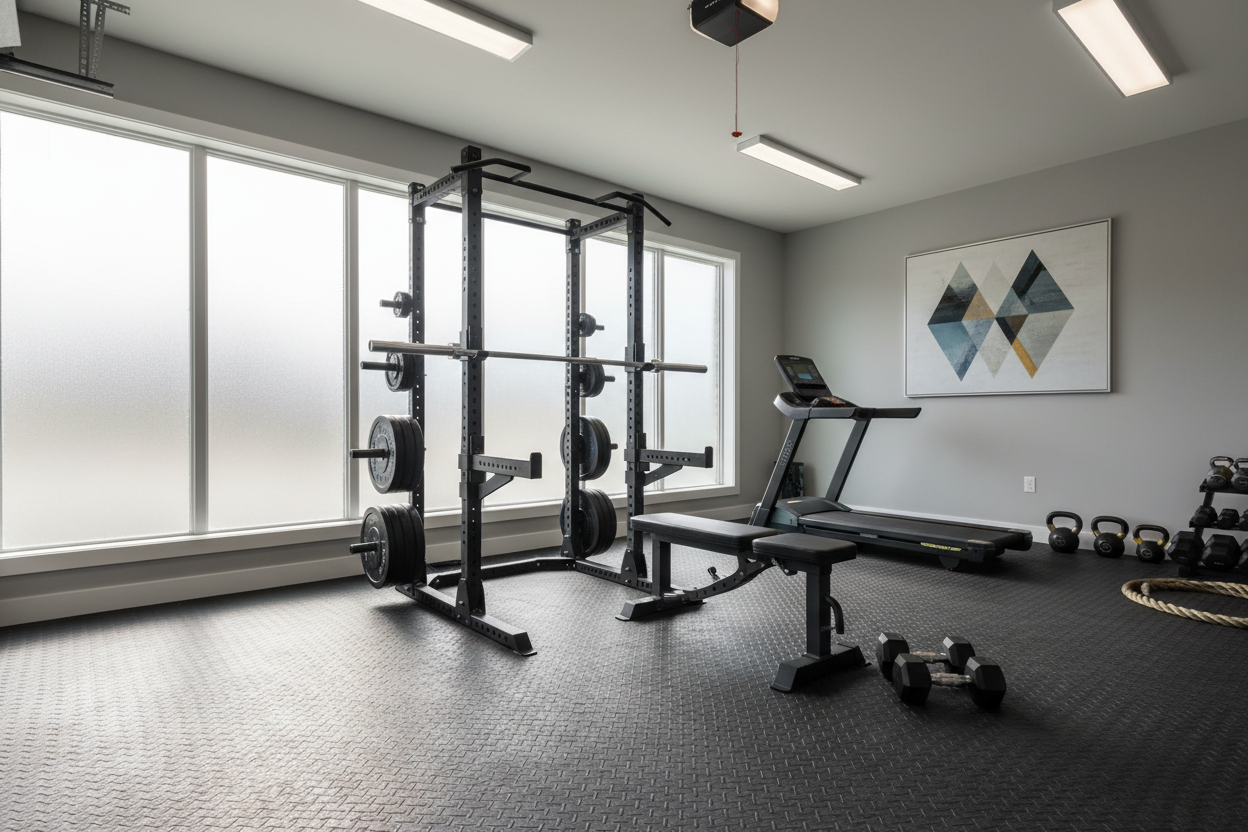
Real military gym equipment found on an actual Army post is surprisingly boring. It is almost always heavy-duty, 7-gauge or 11-gauge steel power racks and industrial-grade treadmills. It is built to be beaten 24 hours a day by 200 different people. In a home gym, that kind of over-engineering is often a waste of floor space. You don't need a rack that can support a literal tank if you are only squatting 405.
The 'tactical' gear sold to homeowners often sacrifices ergonomics for aesthetics. I have seen 'military' barbells with knurling so aggressive it draws blood on a warm-up set, or plates that are wider than they need to be just to look 'rugged.' Real strength doesn't care about the color of your plates.
The Lure of the Surplus Store (And Why It's a Trap)
Searching for military gym equipment for sale at government auctions sounds like a genius move until the crate arrives. I once bought a set of 'surplus' dumbbells that were so pitted with rust I had to wear gloves just to avoid tetanus. Most decommissioned military training gear is retired for a reason: it is broken, outdated, or fundamentally unsafe.
Surplus gear is also notoriously proprietary. You might find a great deal on a pull-up rig, only to realize it uses 1-inch hardware and weird hole spacing that won't fit any modern attachments. You end up stuck with a giant, rusted paperweight that takes up half your garage. Unless you are a welder who loves restoration projects, avoid the surplus trap.
Standardization is your friend in a home gym. Stick to 2x2, 2x3, or 3x3 steel tubing with standard 5/8-inch or 1-inch holes. This allows you to buy attachments from multiple companies rather than being locked into a defunct military contractor's ecosystem.
The Combat Fitness Test Doesn't Require Magic Gear
If your goal is to train like a soldier, look at the ACFT (Army Combat Fitness Test). The us army workout equipment list is actually very simple: a hex bar (trap bar), bumper plates, a medicine ball, a pull-up bar, and some kettlebells. None of this gear needs to be 'tactical' to be effective.
A standard 60-lb hex bar from any reputable dealer will let you train the deadlift portion of the test just as well as the 'official' version. You don't need a specialized military training equipment kit to build the explosive power required for the standing power throw. A simple 10-lb slam ball and a patch of grass will do the job.
The ACFT proves that combat readiness is built on the basics: hinge, squat, push, pull, and carry. You can get all of that done with a basic barbell set and a solid rack. The 'tactical' label is just noise that distracts you from the actual work of moving heavy weight.
The Only 3 Pieces of Tactical Gear Worth Buying
While most of the market is fluff, there are three pieces of military workout equipment that actually earn their keep in a garage gym. First: a heavy-duty sandbag. Unlike a barbell, a sandbag shifts and fights you, mimicking the 'dead weight' of a human body or a supply crate. Look for one with reinforced handles and a double-velcro seal.
Second: a proper rucksack. If you want to build a bulletproof back and insane cardio without the joint impact of running, rucking is king. You don't need a $400 designer bag; a sturdy pack that can hold 30-50 lbs close to your spine is plenty. Third: a suspension trainer. These are lightweight, portable, and allow for a massive range of bodyweight movements that build the core stability soldiers actually need.
These three items are functional, take up almost zero space, and provide a type of 'odd-object' strength that you just can't get from a standard machine. They are the real deal, not just props for a photoshoot.
Versatility Over Camo: Outfitting Your Space the Right Way
If you are working with a standard 10x10 or 20x20 space, you cannot afford to waste room on single-use tactical gimmicks. I always tell people to look for the best gym equipment for home that offers the highest utility per square foot. A camo-painted sled is cool, but a multi-functional system is what actually gets you strong.
Instead of buying five different pieces of specialized military exercise equipment, consider a compact, all-in-one unit. Something like the Full Body Multifunctional Training Station M1 is a prime example of how to build functional, real-world strength without the clutter. It allows for cable work, pull-ups, and heavy compound movements in a footprint that actually fits in a garage.
The goal is progressive overload. You need a system that allows you to add 2.5 or 5 pounds to the lift every week. Most 'tactical' gear, like fixed-weight logs or tires, makes it very hard to track progress. Stick to gear that lets you measure your gains accurately.
Personal Experience: The 'Tactical' Rack Blunder
Years ago, I bought a 'military-inspired' folding rack because I thought the laser-cut stars and stripes looked badass. It was a nightmare. The steel was thin 14-gauge junk, and the 'tactical' coating started flaking off within three months, leaving sharp flakes of paint all over my floor. Every time I racked more than 225 pounds, the whole thing groaned. I eventually sold it for a loss and bought a plain, black, industrial-grade rack. It wasn't as pretty, but it didn't shake when I did pull-ups. Lesson learned: buy for the steel, not the story.
FAQ
Is military exercise equipment more durable than regular gym gear?
Not necessarily. 'Military grade' is often just a marketing term. Real commercial-grade equipment (11-gauge steel) is what you should look for if you want durability, regardless of whether it's marketed as 'tactical' or not.
What is the most important piece of US Army workout equipment for the ACFT?
The hex bar (trap bar) is the centerpiece of the ACFT deadlift. If you are training specifically for the test, a solid hex bar and a set of bumper plates are your most important investments.
Can I use a regular backpack for rucking?
You can, but be careful. Regular school backpacks aren't designed to distribute 30+ pounds across your hips and shoulders. You risk tearing the straps or hurting your lower back. A dedicated rucksack or a high-quality hiking pack is a much better choice for heavy carries.
Share:
I Maxed Out the REP Fitness Smith Machine (And Found Its Limits)
Why Most At Home Weights Feel Like Awkward, Expensive Trash