
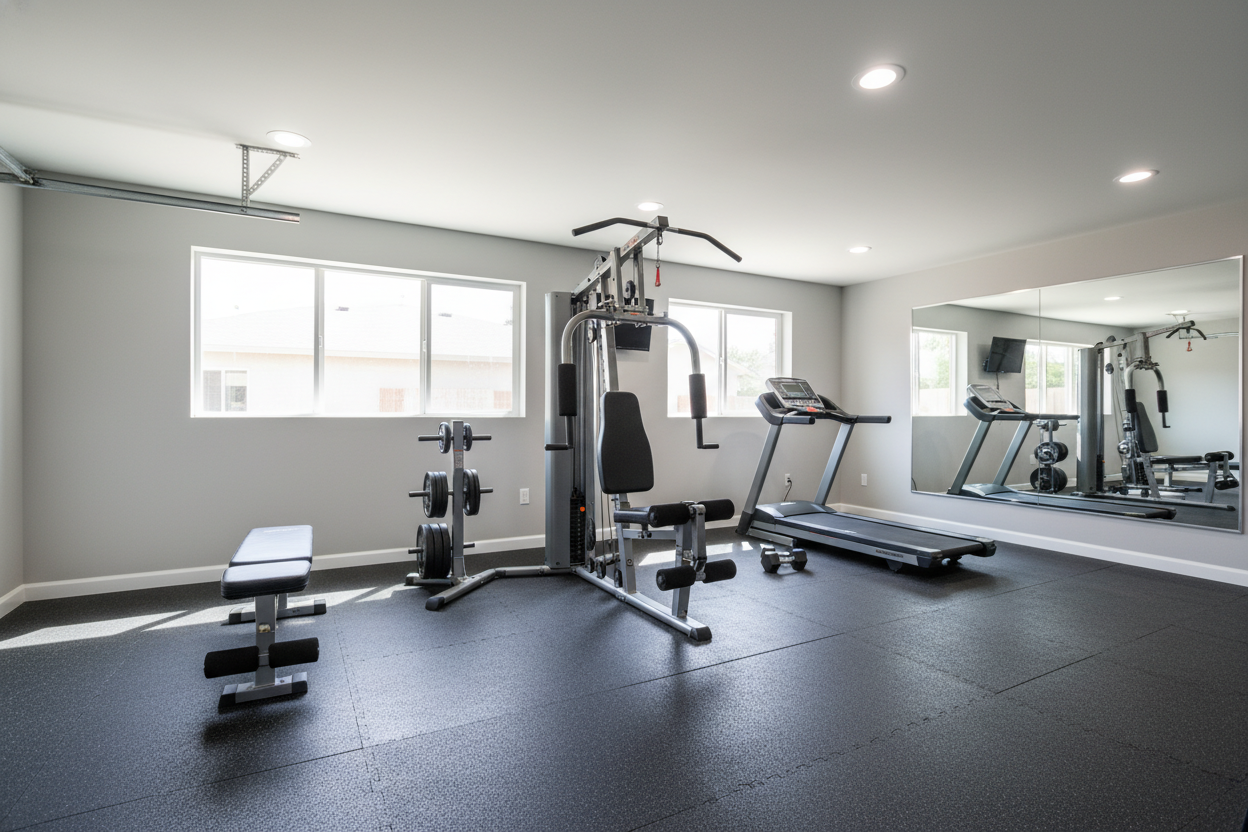
I have spent more time in my garage than my living room over the last decade. I have felt the aggressive knurling of $1,000 barbells and the terrifying wobble of $50 squat stands. Last month, I did something my lifting partners mocked me for: I walked into a local big-box store and bought a home gym machine walmart sells right off the floor. I wanted to know if the budget-friendly dream was real or just a pile of scrap metal waiting to happen.
Quick Takeaways
- Assembly takes 6+ hours and requires your own tools because the included ones are trash.
- The 150-lb weight stack feels more like 110 lbs due to pulley friction.
- Stability is a major issue for anyone over 180 lbs or anyone pushing actual weight.
- Plastic pulleys are the first thing to fail—expect them to shred within three months of heavy use.
The Temptation of the Department Store Gym
The price tag is the hook. It is hard to argue with a full home gym system walmart stocks when it costs less than a single pair of high-end adjustable dumbbells. When you are building a home gym, the math usually involves choosing between one nice piece of equipment or an entire room full of mediocre stuff. The department store gym promises the latter, wrapped in a box that fits in the back of a mid-sized SUV.
I get the appeal. You see the preacher curl attachment, the leg extension foam rollers, and the overhead lat bar, and you think you are getting a commercial club experience in a 4x6 footprint. But these machines are built for a specific demographic: people who want to move their limbs, not people who want to move heavy iron. The steel is thinner, the bolts are softer, and the tolerances are wide enough to drive a truck through.
The Assembly Nightmare (Say Goodbye to Your Weekend)
Opening the box was like looking at a 1,000-piece puzzle where every piece is painted gray. There were 43 separate bags of hardware. None of them were numbered. The manual looked like a photocopy of a photocopy, with diagrams so small I had to use my phone’s zoom feature to figure out which way the pulley spacers went. This is the hidden cost of walmart home gym sets—your time and your sanity.
I spent the first two hours just sorting bolts by length. If you try to build this with the included stamped-metal wrenches, you will end up with rounded bolt heads and bloody knuckles. I had to break out my own impact driver and socket set just to get the frame tight. Even then, the 'precision' holes were misaligned by nearly a quarter-inch in the base plate, requiring a hammer and some choice words to force the uprights into place.
Putting Weight on the Bar: The Dreaded Wobble Test
Once it was standing, I loaded the stack. Most of these machines use 14-gauge or even 16-gauge steel tubing. For context, a real rack uses 11-gauge. When I sat down for the chest press, the entire machine leaned three inches to the left. I have spent years testing power racks and smith machines, and the first thing you notice is how much energy is wasted just trying to keep the machine from tipping over.
The biomechanics are equally frustrating. If you are over six feet tall, the leg extension won't hit your ankles correctly, and the lat pulldown won't let you get a full stretch at the top. The '150-lb' stack is also a lie. Because the plastic pulleys have so much internal friction, the weight feels inconsistent. It is heavy at the start of the rep and light at the bottom. That is the opposite of what you want for muscle growth.
The Pulleys Snapped: What Broke and What Survived
I decided to really push the machine. On day 14, I was doing high-rep rows when I heard a sickening 'pop.' The nylon coating on the cable had frayed and caught in the plastic pulley housing. Within three reps, the pulley itself cracked down the middle. This is the reality of budget gear—the components are the absolute minimum viable product. It is a far cry from the industrial-grade feel of a gym machine that weighs 400lbs.
The foam rollers on the leg developer also started to compress and lose their shape after just a week. The vinyl on the seat is paper-thin; if you wear shorts with a zipper, you will rip a hole in it by the second workout. The only thing that actually 'survived' was the basic steel frame, but even that started squeaking every time I changed my body position. It sounds like a haunted house every time I try to do a set of flyes.
The Final Verdict: Should You Spend Your Money Here?
If you are a casual trainee who just wants to stay active, maybe this works for a year. But if you have any intention of getting strong, you are throwing money away. You will outgrow the weight stack in six months, and the machine will likely break before you do. Saving money upfront feels great until you have to pay a junk removal service to take the broken frame to the landfill.
Instead of settling for a flimsy all-in-one, look for a dedicated smith machine home gym station that uses real bearings and thicker steel. You want something that feels like an anchor, not a kite. Buy once, cry once. Your joints and your PRs will thank you.
FAQ
Is a Walmart home gym good for beginners?
It is okay for the first three months, but most people outgrow the limited weight stack and poor ergonomics very quickly. You are better off with a set of dumbbells and a solid bench.
Can I upgrade the parts on these machines?
You can swap the plastic pulleys for aluminum ones, which helps, but you can't change the thin steel frame. It is like putting racing tires on a minivan.
How much space do I need?
Most of these setups need a 6x8 foot area to account for your body movement and the range of motion of the arms. Always measure your ceiling height before buying.
Share:
I Tested 12 All-in-Ones to Find the Best Gym Machine for Home
I Snapped a Cheap Frame: Why You Need a Heavy Duty Incline Weight Bench