
We have all been there. It is 11:30 PM on a Tuesday, you just finished a mediocre workout in your garage, and you are scrolling through local listings while eating peanut butter out of the jar. You see it: a used ab machines for sale post featuring a device that looks more like a folding lawn chair than a piece of strength equipment. It is dusty, it is being sold for $25, and the owner claims they 'only used it twice.'
There is a reason the secondary market is a graveyard for core gadgets. People buy them with high hopes of carving out a six-pack during commercial breaks, realize that localized fat loss is a myth, and then let the machine collect cobwebs until their spouse demands the floor space back. But among the plastic junk, there are occasionally genuine diamonds in the rough—commercial-grade pieces that can actually add value to a serious home gym.
- Avoid the Plastic: If it folds or has 'As Seen on TV' branding, keep scrolling.
- Check the Cam: Real machines use a variable resistance cam to keep tension on the muscle.
- Footprint Matters: Most dedicated core machines take up more space than they are worth.
- Commercial vs. Retail: Only pull the trigger on brands you would see in a high-end training facility.
The Facebook Marketplace Infomercial Graveyard
If you spend five minutes looking for a used ab machine on any local classified site, you will see a recurring theme. You will find the Ab Carver, the Ab Doer, and various 'rocking' chairs that promise to take the strain out of crunches. Here is the cold truth: if a machine makes the exercise easier, it is probably making it less effective. These gadgets are flooded onto the market because they do not work as advertised. They are built with thin-walled tubing, plastic bushings that squeak after three sessions, and upholstery that feels like a cheap bus seat.
Most of these sellers are not getting rid of the equipment because they upgraded; they are getting rid of it because it became an eyesore. When you see these used ab machines for sale, remember that you are looking at someone else's abandoned New Year's resolution. These machines often lack the structural integrity to handle real intensity. If you are a 200-pound lifter trying to move with intent, a flimsy retail-grade machine will flex and wobble under your weight, which is the last thing you want when you are trying to isolate your midsection.
How to Spot a Real Used Ab Crunch Machine
So, how do you separate the junk from the gear worth owning? A legitimate used ab crunch machine should look and feel like a tank. Look for heavy-duty steel frames—ideally 11-gauge—and a pivot point that aligns with your natural waistline. The best units are often plate-loaded, allowing you to use your existing Olympic plates rather than relying on a weak internal spring or a light-duty weight stack that you will outgrow in a month.
A real used abdominal crunch machine should allow for a full range of motion without your hip flexors taking over the movement. Cheap machines often turn the exercise into a hip flexor pull because the seat isn't angled correctly. When evaluating a listing, look for a machine that keeps your lower back supported and forces the ribcage to move toward the pelvis. This isolation is key. I always tell people that if they are going to invest in dedicated core gear, they need to balance their used ab crunch machine for sale find with proper core and back equipment to ensure they aren't creating postural imbalances. A strong front is useless without a strong posterior chain to support it.
3 Things to Check Before Handing Over Cash
Once you find a used abdominal crunch machine that looks promising, do not just hand over the cash in a gas station parking lot. You need to inspect it. First, check the cam mechanism. In a high-quality machine, the cam is designed to vary the resistance throughout the movement, making it harder at the peak contraction. If the movement feels 'jerky' or the resistance drops off suddenly, the cam is poorly designed or the bearings are shot. I once bought a selectorized unit where the internal cable was frayed inside the housing—I didn't catch it until it snapped mid-set. Check the entire length of the cable for 'kinks' or exposed wire.
Second, look at the upholstery. This is not just about aesthetics. In a home gym, cracked vinyl is a breeding ground for bacteria and sweat rot. If the pads are 'bottoming out' (meaning you can feel the wood or metal underneath when you press down with your thumb), you will need to factor in the cost of re-upholstering, which can easily run you $100 or more. Third, check the bearings at the main pivot point. Give the handle or arm a swing without any weight on it. It should glide silently. If you hear grinding or feel a 'catch,' those bearings are toast. Replacing bearings on older commercial units can be a nightmare if the manufacturer has gone out of business.
Do You Actually Need a Dedicated Core Station?
I am going to be honest with you: most home gym owners do not have the room for a single-use machine. A commercial-grade used ab machine usually has a footprint of about 4 feet by 4 feet. In a standard two-car garage gym, that is prime real estate. Before you buy, ask yourself if you can get the same stimulus elsewhere. I often find that for most people, you don't need an ab machine with weights if you are already doing heavy compounds and hanging leg raises. The 'space tax' on a dedicated crunch machine is high.
If you already own a rack and you are just looking for that fixed-path feel, there are better ways to spend your money. For example, you can perform a weighted Smith machine ab workout that mimics the exact mechanics of a high-end selectorized machine without needing an extra 16 square feet of floor space. You just put a bench in the Smith machine, set the bar height, and use it as your resistance point. It is more versatile and costs you zero extra dollars if you already have the gear. Dedicated machines are great for high-volume bodybuilding blocks, but for the average garage athlete, they often end up being the most expensive coat rack in the house.
The Only Time You Should Pull the Trigger
There is one scenario where I say 'go for it.' If a local commercial gym is liquidating their assets and you can snag a Life Fitness, Hammer Strength, or Cybex used ab crunch machine for sale for under $200, take it. These machines are built to survive decades of abuse. They use superior biomechanics that you just won't find in the retail stuff. You are getting a $2,000 piece of engineering for pennies on the dollar. That is a win.
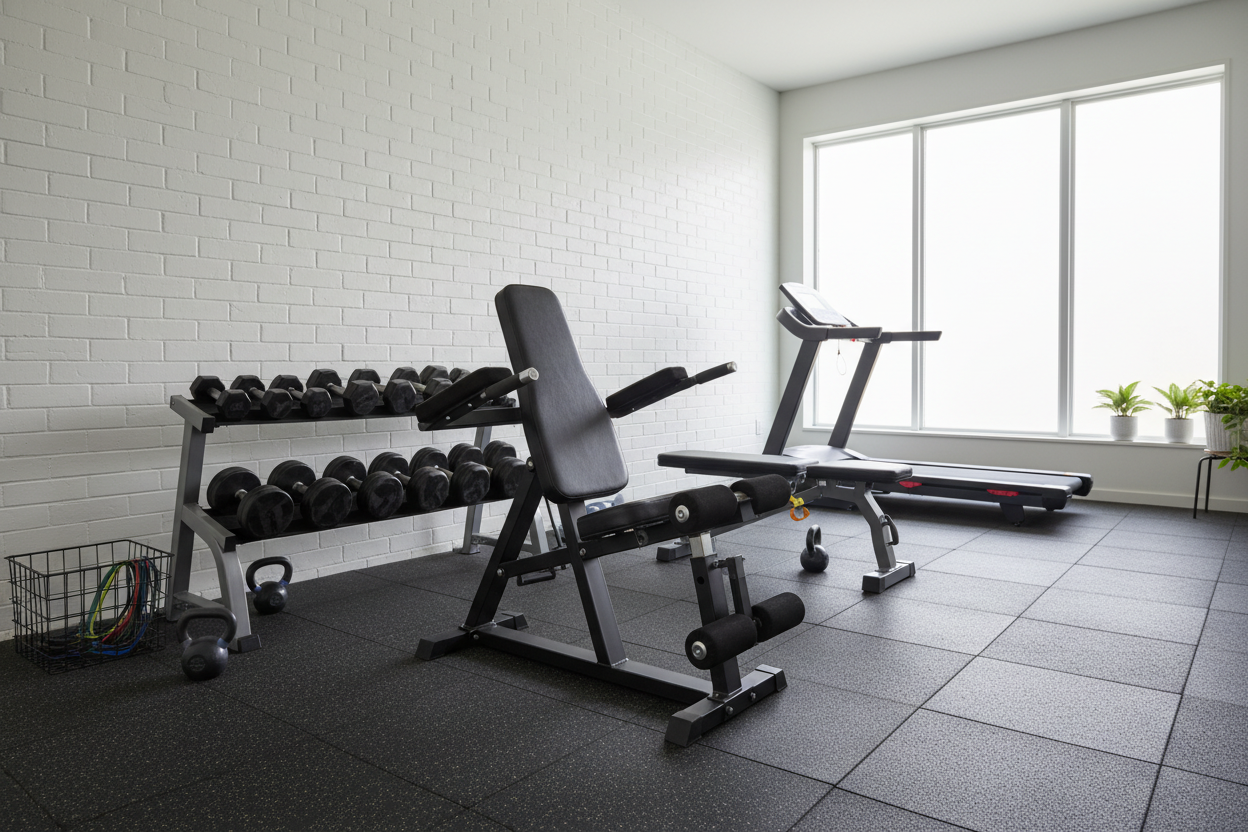
However, if you are looking for versatility and space efficiency, I usually recommend skipping the single-use machines entirely. Instead, look for a multi-functional core bench. A piece like this allows you to hit your abs, your lower back, and even your hamstrings in one compact footprint. It is the smarter play for 90% of home lifters. Don't let the allure of a cheap used ab machine distract you from building a gym that actually makes sense for your goals and your floor plan.
Personal Experience: The $50 Lesson
A few years back, I found what I thought was a steal: a plate-loaded crunch machine from a defunct high school weight room. It was built like a tank, but it had a massive footprint. I hauled it home, spent two hours cleaning the rust off, and used it exactly four times. I realized that I preferred cable crunches and hanging leg raises because they felt more 'natural.' That machine sat in the corner of my gym, mocking me, for six months before I sold it to someone else for exactly what I paid. I didn't lose money, but I lost hours of my life and a lot of floor space. Now, I only buy gear that serves at least three different purposes.
FAQ
Are used ab machines worth it?
Only if they are commercial-grade. Most retail-level machines are flimsy and won't provide enough resistance for long-term progress. If it's a brand you'd see in a commercial gym and the price is right, it can be a good addition.
What should I look for in a used ab crunch machine?
Focus on the frame thickness, the smoothness of the pivot point, and whether it's plate-loaded or selectorized. Avoid anything made primarily of plastic or thin tubing.
How much should I pay for a used ab machine?
For a basic retail machine, don't pay more than $20. For a high-end commercial unit, $150 to $300 is a fair range depending on the condition of the pads and cables.
Share:
I Got Burned Figuring Out Where to Buy Gym Equipments Online
Is a Multi Smith Machine a Master of None? (My Honest Take)