
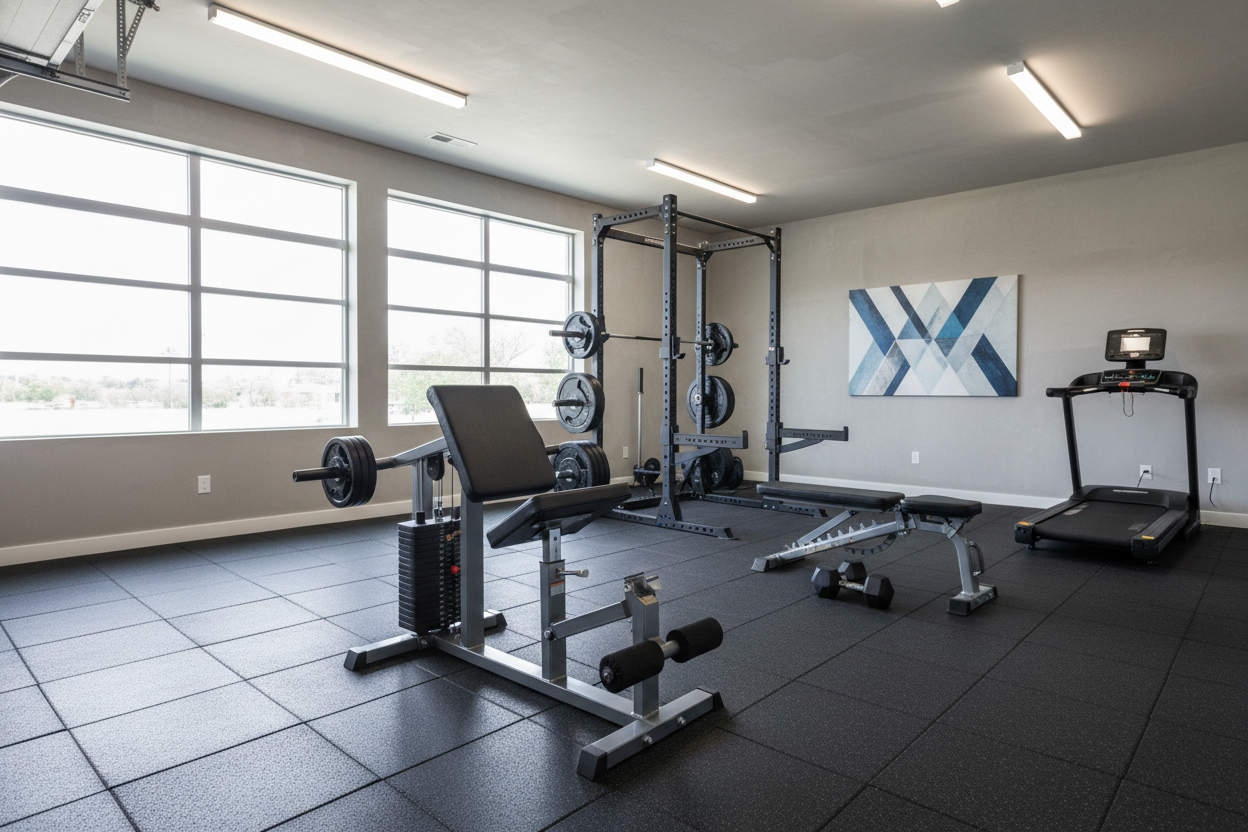
I remember the exact moment my L5-S1 disc decided to exit the chat. It wasn't a 500-pound deadlift; it was a lazy warm-up set where I wasn't bracing. Since then, I've spent a decade testing every machines for lower back on the market, from high-end clinical lumbar isolators to the rickety Roman chairs you find in the corner of a $10-a-month commercial gym.
Most people treat their lower back like an afterthought until they can't tie their shoes. Then they run to the nearest lower back machine and wonder why their spine feels like it's being put through a paper shredder. Building a bulletproof back requires the right tools and a serious lack of ego.
- The 45-degree back extension is the gold standard for safe lumbar isolation.
- Avoid seated rotation machines that lock your hips and twist your vertebrae.
- Reverse hypers are the secret weapon for decompression and strength.
- Glute strength is the best insurance policy for your lower back.
- Guided barbell movements like Smith machine rows offer stability when you're fatigued.
Why You Keep Tweaking Your Lumbar on Gym Day
The lower back is the most common casualty in any gym, usually because we treat it like a prime mover instead of a stabilizer. Most lifters hit the exercise machines for lower back with way too much weight and zero mind-muscle connection. They use momentum to whip their torso up and down, turning a strengthening exercise into a spinal shear-force nightmare.
Commercial gym layouts don't help either. Many lower back gym machines are designed for 'average' heights, meaning if you're 5'4 or 6'3, the pivot points are completely misaligned with your natural anatomy. When the machine's axis doesn't match your hips, your spine takes the load that your muscles should be handling. It’s a recipe for a week on the heating pad.
The 'Rehab' Contraptions You Should Actually Avoid
The seated rotary torso machine is a personal pet peeve of mine. You’ve seen it: you sit down, lock your knees, and twist your upper body against a stack of weights. It feels like a 'core' workout, but for someone with a bad back machine history, it’s a disaster. Your lumbar spine isn't designed for significant rotation under heavy load—that’s what your thoracic spine is for.
Similarly, those seated 'back press' machines that mimic a crunch in reverse often force you into loaded flexion. If you're dealing with a herniated disc, this is the last thing you want. These workout machines for lower back often isolate the spine in a way that ignores the glutes and hamstrings, which are supposed to be your lumbar’s support system. If a machine feels 'crunchy' in your spine, walk away.
The 45-Degree Back Extension: The Undisputed King
If I could only keep one lower back exercise machine, it would be the 45-degree hyperextension bench. Unlike the flat 90-degree versions, the 45-degree angle provides a constant tension that is much easier to control. It’s the best lower back machine for teaching you how to hinge at the hips rather than rounding the spine.
The trick is the pad height. If the pad is sitting at your waist, you're going to round your back to get range of motion. Drop the pad so it sits right at your hip crease. This allows your pelvis to tilt, letting your glutes and hamstrings do the heavy lifting while your erectors stay in a safe, isometric contraction. It’s the ultimate back strengthening exercise machine when used with a 'long spine' cue.
Reverse Hypers: The Heavy-Duty Spine Decompressor
The reverse hyper machine for lower back pain is a legend in the powerlifting world for a reason. Invented by Louie Simmons after he broke his back, this machine does something no other low back machine gym piece can: it strengthens the posterior chain while actively decompressing the spine.
As the weight swings under you, it creates a traction effect, pulling the vertebrae apart and allowing fluid to return to the discs. Then, on the way up, you’re forced to use your lower back and glutes to lift the load. It is the best exercise machine for lower back pain because it addresses both the strength deficit and the compression issues simultaneously. If your gym has one, use it. If they don't, find a new gym.
How Strong Glutes Actually Save Your Lower Back
The best gym equipment for lower back pain might not actually be a back machine at all. Your glutes are the primary shock absorbers for your spine. When your glutes are weak, your lower back has to pick up the slack during every step, squat, and hinge. This is why I tell people to stop obsessing over lumbar exercise machines and start obsessing over their hip drive.
Using a dedicated hip thrust machine is one of the smartest moves you can make for long-term back health. It allows you to load the glutes with massive weight while your spine is supported and neutral. By removing the balance requirement of a barbell, you can reach true muscular failure in the hips without your lower back giving out first. It’s the ultimate exercise equipment for back strengthening by proxy.
Ditching Isolation: When Guided Barbell Movements Are Better
Sometimes, isolation isn't the answer. If you're exhausted after a long workday, your stabilizers are the first thing to go. This is where a Smith machine home gym station becomes a valuable tool. While 'functional' purists hate on the Smith machine, it provides a fixed path that allows you to focus purely on the movement without the risk of a barbell drifting out of position and tweaking your lumbar.
For example, performing bent over rows on a Smith machine allows you to brace your core more effectively because you aren't fighting to balance the bar. Similarly, if you struggle with your hinge form, the Smith machine hamstring fix for RDLs can help you keep the weight close to your center of gravity, which drastically reduces the shear force on your lower discs. It’s about using the gym machine for lower back safety, not just for ego.
Personal Experience: My Roman Chair Disaster
Early in my training, I bought a cheap, $80 Roman chair for my garage. It was light, flimsy, and the pads were like bricks. One afternoon, I decided to hold a 45-pound plate for 'extra gains.' Halfway through the set, the light frame tipped forward, and I had to bail, twisting my back in the process. It took three weeks of physical therapy to fix that mistake. The lesson? When it comes to lower back exercise equipment, stability is everything. If the machine wobbles, your spine pays the price. Don't cheap out on the gear that supports your central nervous system.
FAQ
What is the best exercise machine for lower back problems?
The 45-degree back extension or a Reverse Hyper. These machines prioritize a neutral spine and hip hinge over forced spinal flexion, making them the safest machines for lower back pain.
Can I use a back machine if I have a herniated disc?
Only with a doctor's clearance. Generally, you want to avoid machines that cause 'loaded flexion' (bending forward under weight). Stick to isometric holds or decompression movements like the reverse hyper.
Is the Smith machine bad for your back?
No, it's actually a great low back workout machine alternative. The fixed track helps keep the load in a predictable path, which can be safer for lifters who struggle with the stability of free-weight deadlifts or rows.
What is the best cardio machine for bad back relief?
An elliptical or a treadmill at a slight incline. These provide low-impact movement that increases blood flow to the lumbar region without the jarring impact of running on pavement.
Share:
The Secret to the Best Weight Room Isn't Buying More Iron
I Cut My Home Exercise Equipment List Down to Just 4 Items